Korea Ever-Power · Sovellussuunnitteluopas
Mato ja matopyörä sementtiuunien ja kuulamyllyjen käyttöihin
Sementtitehtaan uunin apukäyttö toimii kolmen metrin päässä pyörivästä rungosta, jonka pintalämpötila on 300 celsiusastetta, emäksisen sementtipölyn sakeassa, pH-arvoltaan 12 olevassa ilmakehässä. Se vaimentaa viereisen kuulamyllyn sisällä putoavien 80 tonnin teräsjauhatuskuulien aiheuttamia ajoittaisia iskukuormia. Lämpö, pöly ja iskut – samanaikaisesti ja jatkuvasti – tekevät sementistä fyysisesti aggressiivisimman ympäristön mille tahansa matovaihteparille tässä 30 artikkelin sarjassa.
Sementtitehtaat käyttävät matovaihteita uunin apukäytöissä (barring), kuulamyllyn ruiskutuskäytöissä, klinkkerin jäähdyttimen arinan käyttölaitteissa ja pussisuodatinventtiilien toimilaitteissa – sovelluksissa, jotka vaativat 500–15 000 N·m lähtövääntömomenttia 0,5–10 rpm nopeudella yhdistetyssä lämpö-, hankaus- ja iskukuormitusympäristössä. Lämmönhallintaratkaisut käsittelevät sementille ominaista kaksoislämpöhaastetta: uunin ja klinkkerin jäähdyttimen vaipoista tulevaa ulkoista säteilylämpöä (joka nostaa ympäristön lämpötilan 60–150 celsiusasteeseen) sekä vaihteen tehottomuudesta johtuvaa sisäistä kitkalämpöä – jotka tuottavat kotelon lämpötiloja, jotka vaativat aktiivista jäähdytystä useimmissa asennuksissa. Kotelon lämpötilaa vasten kartoitetaan neljä jäähdytysstrategiaa: luonnollinen konvektio alle 80 asteen, puhallinavusteinen jäähdytys 80–110 asteen lämpötilassa, öljynkierto 110–140 asteen lämpötilassa ja vesivaippajäähdytys yli 140 asteen lämpötilassa. Sementtipöly, jonka pH on 12, on sekä hankaavaa (tuhoaa tiivisteet) että emäksistä (hyökkää tavallisen kumin kimppuun) – mikä vaatii raskaita matovaihteen labyrinttitiivisteitä, joissa on positiivinen ilmanpoisto ja FKM-tiivistemateriaali. Kuulamyllyn iskukuormitus 20–40 Hz:n taajuudella ylittää normaalin käyttökertoimen laskennan ja vaatii erityisiä iskukäyttökertoimia 2,0–3,0.
Missä matovaihteparit toimivat sementtitehtaissa
Pääpyörivän uunin ja kuulamyllyn käyttölaitteissa käytetään avoimia hammaspyöriä – laitteen halkaisija (4–6 metriä) on liian suuri suljetuille hammaspyöräpareille. Jokaisessa sementtitehtaassa on kuitenkin 15–40 apukäyttöä, joissa matopyöräparit ovat vakiona: uunin sulkukäyttöjä, jotka pyörittävät uunia hitaasti lämmityksen ja jäähdytyksen aikana (estäen lämpöpainuman), kuulamyllyn inertiakäyttöjä, jotka asettavat myllyn vuorauksen tarkastusta varten, klinkkerin jäähdyttimen arinan käyttölaitteita, jotka siirtävät jäähdytinlevyjä, ja pussisuodatinventtiilien toimilaitteita, jotka pyörittävät pölynkeräysjärjestelmän peltejä.
Näillä apukäyttöisillä matovaihteilla on kolme yhteistä ominaisuutta: hidas lähtönopeus (0,5–10 rpm), suuri vääntömomentti (500–15 000 N·m) ja äärimmäinen sementtitehtaan ympäristö (kuumuus, pöly, iskut). Matovaihtepari kestää kaikki kolme – mutta vain, jos lämmönhallinta, pölysuojaus ja iskukuormituksen käyttökerroin on määritetty oikein.
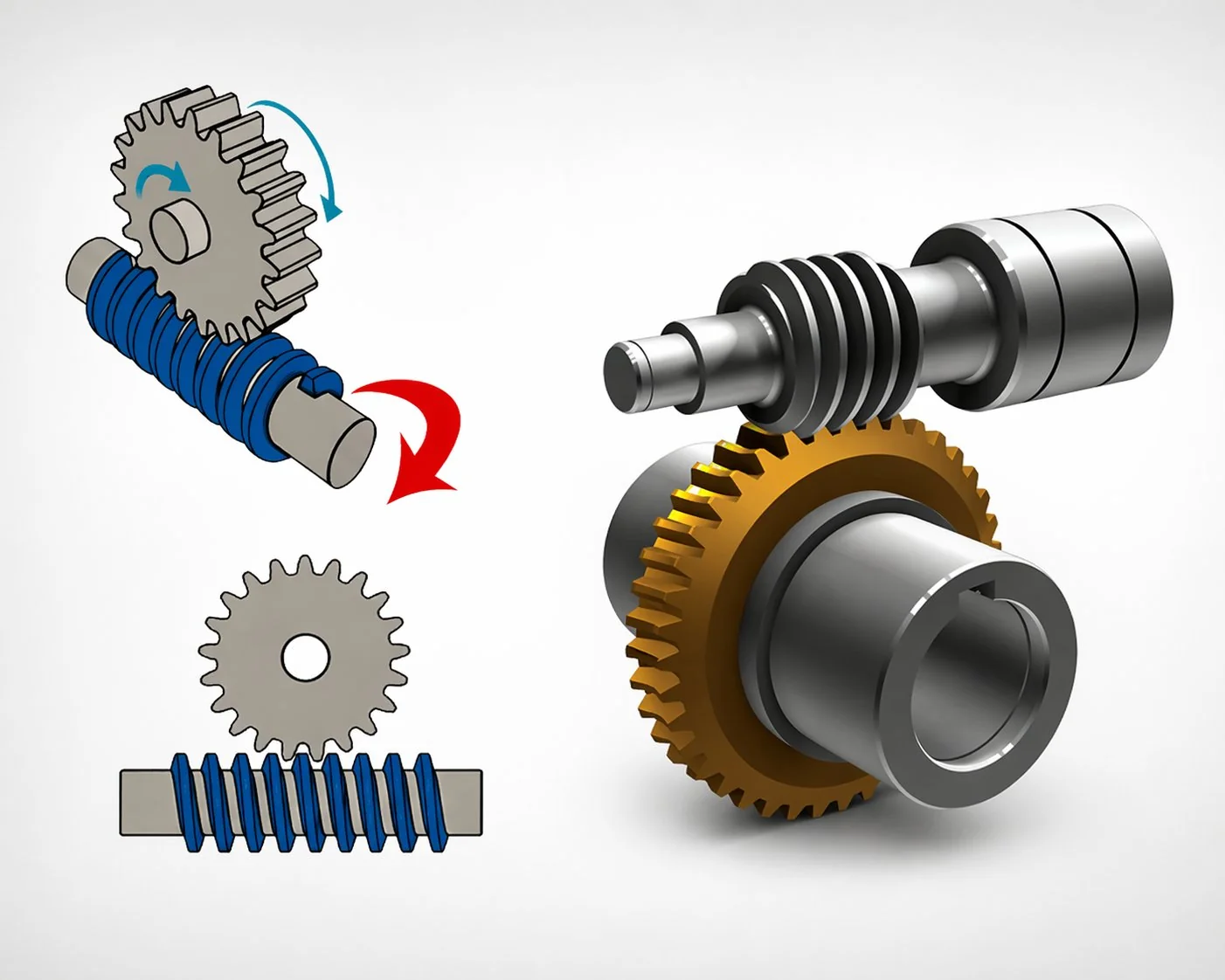
Lämmönhallintaratkaisujen puu — kaksi lämmönlähdettä vaativat aktiivista jäähdytystä
Sementtitehtaan matovaihteet kohtaavat terminen haasteen, joka yhdistää leipomouunien käyttöjen ulkoisen lämmön ongelman (artikla A14) ja jatkuvatoimisten liukuporraskäyttöjen kitkalämpöongelman (artikla A08) – samanaikaisesti. Uunin rungon pintalämpötila on 250–350 celsiusastetta ja se säteilee lämpöä lähellä olevaan apukäyttökoteloon, mikä nostaa vaihdeparin ympärillä olevan ympäristön lämpötilan 60–150 celsiusasteeseen. Samaan aikaan matovaihteet tuottavat sisäisesti kitkalämpöä vaihteiden tehottomuuden vuoksi (tyypillisesti 50–60 prosenttia syöttötehosta muuttuu lämmöksi). Kotelon on poistettava molemmat lämmönlähteet – ja korkea ympäristön lämpötila pienentää luonnolliseen lämmönpoistoon käytettävissä olevaa lämpögradienttia.
Ensin lämpösuojaus, sitten aktiivinen jäähdytys. Ennen puhallinjäähdytyksen tai öljynkierron määrittämistä on arvioitava, voiko uunin vaipan ja matopyöräparin välinen säteilylämpökilpi alentaa ympäristön lämpötilan luonnollisen konvektion tasolle (alle 80 celsiusastetta). Kiillotettu ruostumattomasta teräksestä valmistettu heijastin maksaa 100–300 USD ja vähentää säteilylämpökuormaa 70–90 prosentilla – mikä voi poistaa puhallinjäähdytyksen (500–1 500 USD) tai öljynkierron (3 000–8 000 USD) tarpeen. Kustannustehokkain lämmönhallintastrategia sementtitehtaissa on: ensin suojaus ja sitten suojatun lämpötilan minimijäähdytysmenetelmän valinta.
Sementtipölysuojaus ja kuulamyllyn iskukuormitus
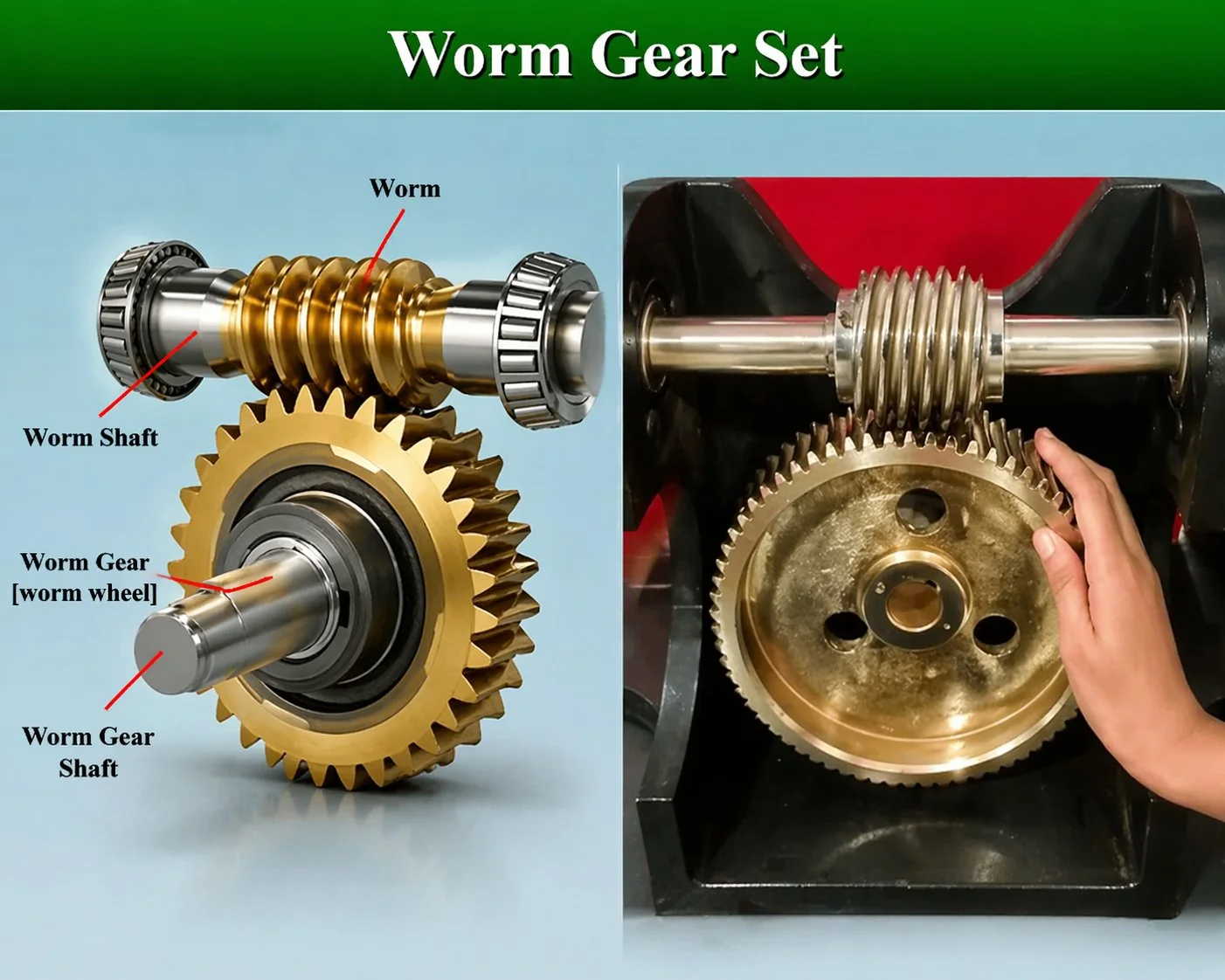
Sementtipöly hankaavana epäpuhtautena. Sementtiuunipöly (CKD) on hienojakoista jauhetta, jonka hiukkaskoko on 10–100 µm ja pH-arvo 11–13 (voimakkaasti emäksinen). Jos CKD:tä pääsee matovaihteen koteloon, se toimii hiontamassana – se hioo hammaspintoja ja kuluttaa pronssipyörää 3–10 kertaa normaalia nopeammin. Tavalliset matovaihteen huulitiivisteet eivät voi sulkea pois CKD:tä, koska hienot hiukkaset tunkeutuvat tiivisteen huulen ja akselin rajapintaan staattisten paine-erojen kautta (lämpöhengitys). Sementtilaatuinen tiiviste vaatii labyrinttitiivisteen (kosketukseton, ei huulten kulumista) sekä positiivisen ilmapuhdistuksen (0,1–0,5 baarin paineilma puhaltaa ulospäin labyrintin läpi estäen fyysisesti pölyn pääsyn). FKM-tiivistemateriaali on pakollinen – tavallinen nitriili ja EPDM hajoavat emäksisessä sementtiatmosfäärissä 12–18 kuukauden kuluessa.
Kuulamyllyn iskukuormitus. Kuulamyllyn sisällä on 30–100 tonnia teräksisiä jauhatuskuulia (halkaisijaltaan 25–90 mm), jotka syöksyvät pyörivän rummun sisään. Kuulien iskut aiheuttavat 20–40 Hz:n taajuudella olevia iskukuormia, jotka välittyvät myllyn rungon, perustuksen ja viereisten rakenteiden kautta lähellä oleviin matovaihteisiin. Normaali käyttökertoimen laskelmat (SF 1,0–1,5) eivät ota huomioon tätä välittynyttä iskua. Sementtitehtaan matovaihteiden iskukäyttökertoimen on oltava 2,0–3,0 – mikä tarkoittaa, että parin on oltava mitoitettu 2–3 kertaa laskennalliselle vakiotilan vääntömomentille. Uunin sauvakäytön, jonka vakiotila on 3 000 N·m ja SF 2,5, on oltava mitoitettu 7 500 N·m:lle – mikä vaatii tyypillisesti 1–2 askelta suuremman rungon koon kuin mitä pelkkä vakiotilan vääntömomentti osoittaisi.
Korealainen sementtitehdas asensi uuden uunin aputeräskäytön, jossa oli matovaihtepari, jonka vääntömomentti oli 5 000 N·m – mikä vastasi laskettua 4 200 N·m:n teroitusvääntömomenttia vakiokäyttökertoimella 1,2. Käyttö sijoitettiin 2,5 metrin päähän uunin vaipasta (pintalämpötila 280 celsiusastetta) ilman lämpökilpeä. Kotelon lämpötilaksi mitattiin 115 celsiusastetta neljän tunnin teroituskäytön jälkeen. Tavallinen mineraaliöljy (90 celsiusasteeseen) alkoi ohentua ja hapettua. Kuuden kuukauden kuluessa öljyn happopitoisuus ylitti hyväksyttävän rajan, pronssipyörä kului kiihtyvällä vauhdilla ja välys kasvoi 8 kaariminuutista 22 kaariminuuttiin. Tehtaan huoltotiimi asensi ruostumattomasta teräksestä valmistetun lämpökilven (260 USD), joka laski kotelon lämpötilan 82 celsiusasteeseen, vaihtoi öljyn synteettiseen PAG-öljyyn (120 celsiusasteeseen) ja lisäsi jäähdytysjärjestelmän (480 USD) marginaaliksi. Matopyörän lämpöinterventiokustannukset olivat yhteensä 740 USD plus 3 tuntia huoltotyötä. Vaihtopyöräpari (tarvittiin, koska alkuperäinen pyörä oli kulunut käyttökelvottomaksi) maksoi 2 800 USD plus 8 tuntia asennusaikaa. Opetus: lämmönhallinnan päätöspuuta tulisi soveltaa spesifikaatiovaiheessa, ei ensimmäisen parin vikaantumisen jälkeen. 740 USD:n jäähdytysinterventio olisi estänyt 2 800 USD:n vaihdon, jos se olisi sovellettu alkuperäisestä asennuksesta lähtien. Sementtitehtaissa jokainen apukäyttö 5 metrin säteellä uunista tai jäähdyttimen vaipasta on mitattava kotelon lämpötila ennen matopyörän jäähdytysmenetelmän valintaa – älä koskaan oleta, että tavallinen luonnollinen konvektio riittää korkean lämpötilan laitteiden lähellä.
Kolme sementtitehtaan matovaihteparin erittelytapausta
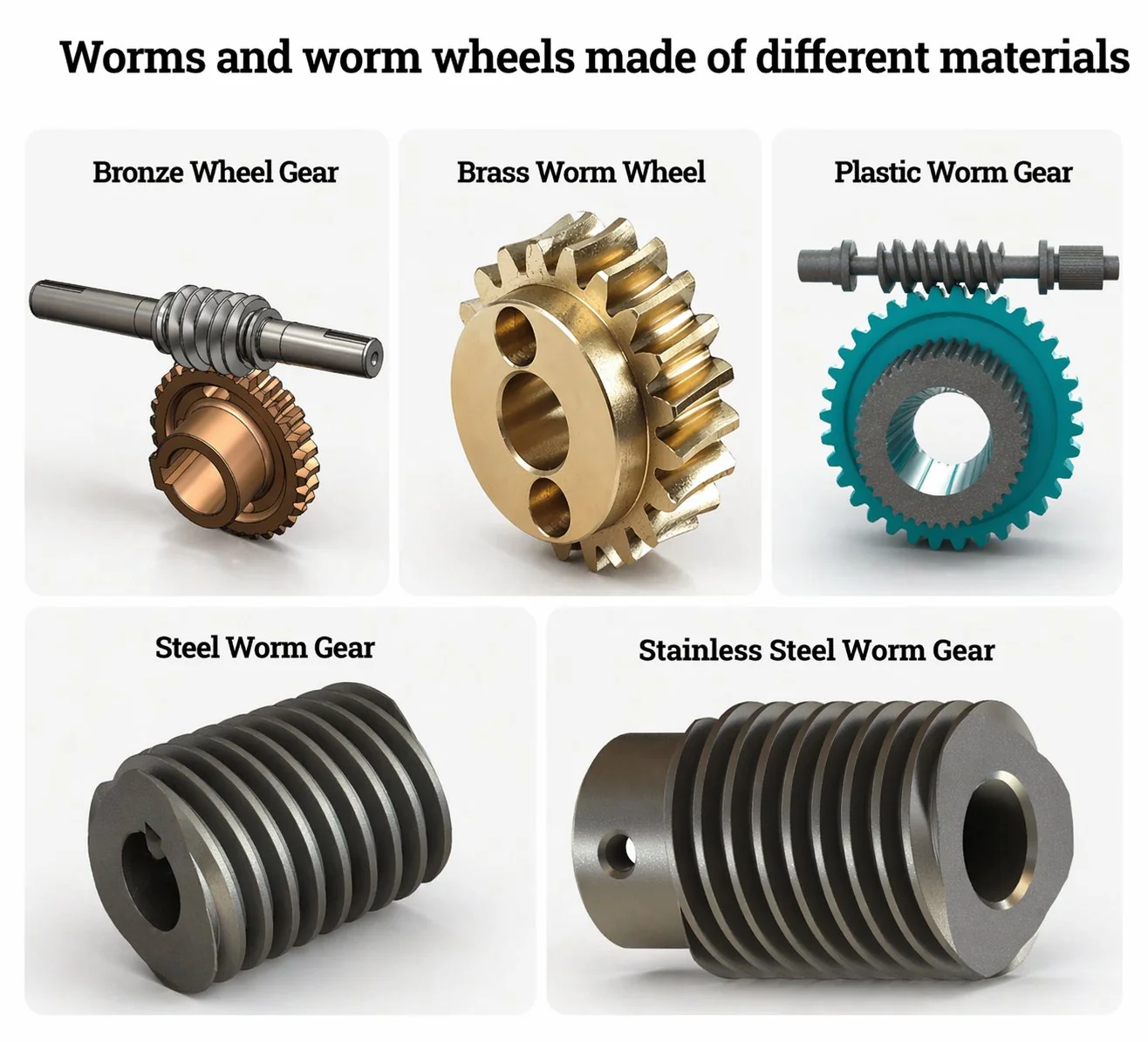
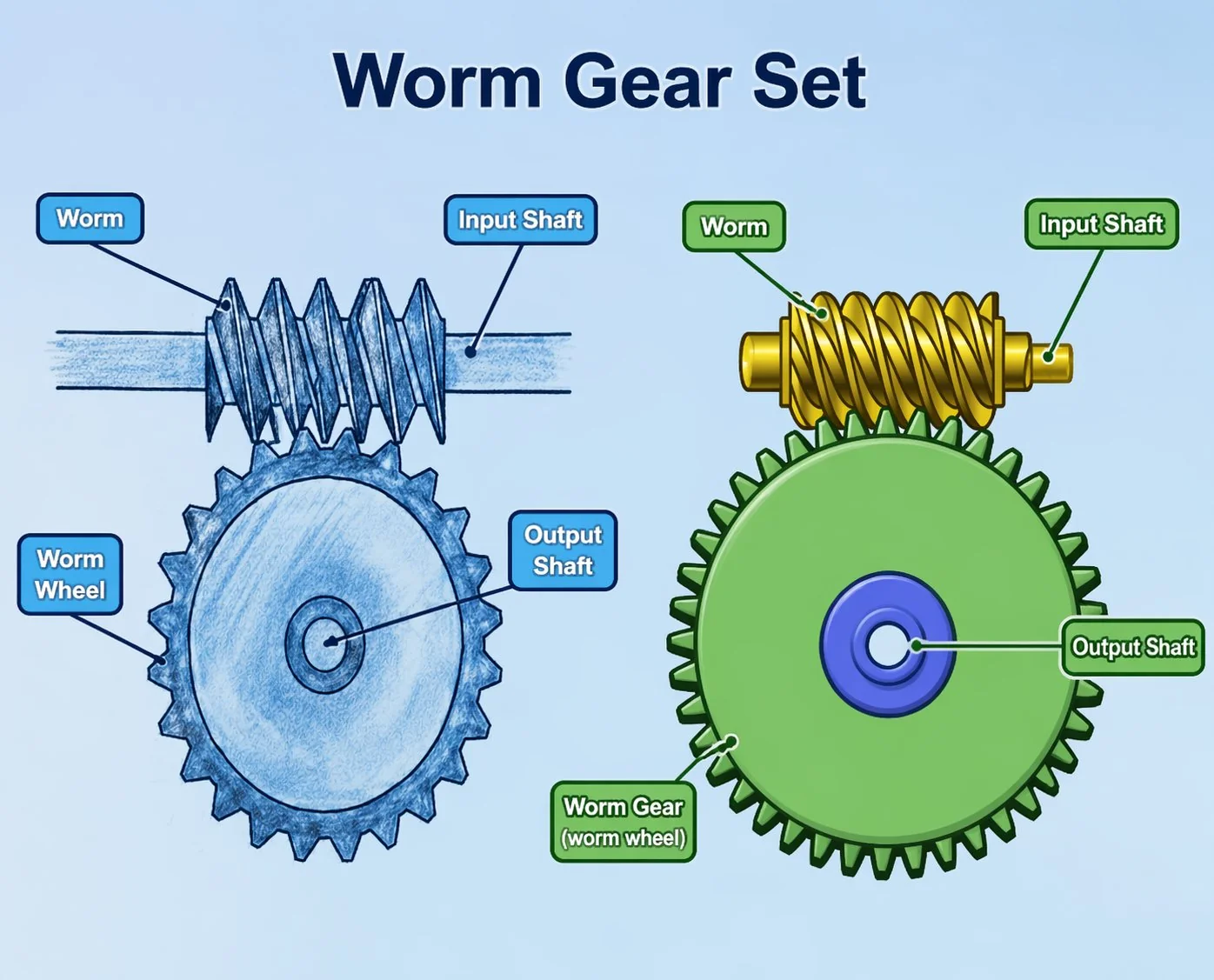
Tapaus 1 – Korealainen sementtitehdas: uunin palkkien käyttölaite, 5 m Ø uuni, lämpösuojattu
Korealainen sementintuottaja määritteli matopyöräparin 5,0 m halkaisijaltaan ja 78 m pitkän pyörivän uunin aputeräkäytöksi, joka tuottaa 5 000 tonnia klinkkeriä päivässä. Teräkäyttö pyöritti uunia nopeudella 0,1 RPM lämmityksen, jäähdytyksen ja suunniteltujen pysäytysten aikana uunin vaipan lämpömuodonmuutoksen estämiseksi. Terävääntömomentti: 4 200 N·m (uunin paino × laakerin kitka hitaalla nopeudella). Iskuvoima SF: 1,5 (uunin terävöitännän isku minimaalinen – uuni pyörii tasaisesti nopeudella 0,1 RPM). Vaadittu kokonaisarvo: 6 300 N·m. Korjattu spesifikaatio (lämpötapahtuman jälkeinen): matopyöräpari, yksikäynnistys, moduuli 8, keskiöväli 200 mm, välitys 60:1, nimellismomentti 8 000 N·m. Materiaali: karkaistu seosteräksinen mato, keskipakoisvalettu fosforipronssipyörä. Jäähdytys: ruostumattomasta teräksestä valmistettu lämpökilpi ja puhallinavusteinen konvektio. Öljy: synteettinen PAG ISO VG 460. Tiivisteet: labyrintti ja paineilmapuhdistus ja FKM-huuli. Kotelon lämpötila suojakilven ja puhaltimen jälkeen: 78 celsiusastetta – luonnollisen konvektion voiteluaineen lämpötila-alueella, mutta puhallin tarjoaa liikkumavaraa kesän ympäristön lämpötilapiikkeille. Hinta parilta: 2 800 USD. Lämpösuoja ja puhallin: 740 USD. Käyttökustannukset yhteensä: 3 540 USD. Suojatun uunin tuotannon arvo: noin 1,2 miljoonaa USD klinkkerituotantopäivää kohden.
Tapaus 2 – Japanilainen kalkkiuuni: kuulamyllyn inerttimekko, iskukuormitettu, pölykriittinen
Japanilainen kalkkivalmistaja määritteli matopyöräparin kalkkikiveä jauheeksi jauhavan, halkaisijaltaan 3,8 metrin kuulamyllyn rullavaihteelle. Rullavaihteisto pyöritti myllyä nopeudella 0,5 rpm vuorauksen tarkastusta ja kuulapanoksen säätöä varten – jaksottainen käyttö, tyypillisesti 2–4 tuntia kuukaudessa. Rullavaihteen vääntömomentti: 2 800 N·m. Rullavaihteisto oli kuitenkin asennettu myllyn perustuksiin 1,5 metrin päähän kuulamyllyn vaipasta – ja se sai jatkuvaa iskuvärähtelyä 25 Hz:n taajuudella kaskadikuulta normaalin myllyn käytön aikana (vaikka itse rullavaihteisto oli päällä vain pysähdysten aikana). Iskukestävyys: 2,5 (viereisestä kuulamyllystä välittynyt isku). Vaadittu nimellisarvo: 7 000 N·m. Matopyöräpari: yksikäynnistys, moduuli 6, keskiöväli 160 mm, välitys 50:1, nimellismomentti 8 500 N·m. Ylimitoitus tarjosi iskunvaimennusmarginaalin. Pölysuojaus oli ratkaisevan tärkeää – kalkkikivipöly on vähemmän emäksistä kuin sementtipöly (pH 9–10), mutta yhtä hankaavaa. Labyrinttitiiviste ilmapuhdistuksella. Materiaali: karkaistu seosteräsmallinen mato, alumiinipronssipyörä (erinomainen iskunkestävyys fosforipronssiin verrattuna iskukuormituksessa). Hinta parilta: 2 200 USD. Selaa raskaan matovaihteen vähennysventtiili vaihtoehtoja sementti-, kalkki- ja mineraalienkäsittelylaitosten sovelluksiin.
Tapaus 3 – Vietnamilainen klinkkerijäähdytin: arinakäyttöinen, 120 °C:n ympäristön lämpötila, jatkuva käyttö
Vietnamilainen sementtitehdas määritteli klinkkerijäähdyttimen kuudelle edestakaisin liikkuvalle arinakäytölle matovaihteparit. Jäähdytin vastaanotti 1 400 celsiusastetta klinkkeriä uunin poistosta ja jäähdytti sen 100 celsiusasteeseen pakotetun ilmavirran avulla. Arina pyörittää edistyneitä rei'itettyjä teräslevyjä 3–8 iskua minuutissa työntäen klinkkeripatjaa jäähdyttimen poikki. Ympäristön lämpötila arinan käyttökohdassa: 110–130 celsiusastetta (klinkkeripatjan säteilylämpö ja jäähdytysilman poistosta tuleva konvektiivinen lämpö). Lähtömomentti käyttöä kohden: 1 200 N·m. Jatkuva käyttö: 8 760 tuntia vuodessa. Matovaihtepari: yksikäynnistys, moduuli 5, keskiöväli 125 mm, välityssuhde 40:1. Jäähdytys: öljynkierto ulkoisella ilmajäähdytteisellä lämmönvaihtimella (kotelon lämpötila vakautettu 95 celsiusasteeseen öljynkierron avulla). Öljy: synteettinen PAG ISO VG 460, vaihdetaan vuosittain (happoluvun seuranta neljännesvuosittain). Tiiviste: labyrinttitiiviste, ilmapuhdistus ja FKM. Materiaali: karkaistusta seosteräksestä valmistettu mato, fosforipronssinen pyörä. Sementtipölyn suojaus oli jäähdyttimessä vähemmän kriittistä (klinkkerinpöly on karkeampaa ja vähemmän ilmassa kuin raakasementtipöly), mutta ilmanpoisto säilytettiin vakiokäytäntönä. Kustannukset paria kohden: 1 400 USD. Öljynkiertojärjestelmä käyttöä kohden: 1 800 USD. Kuusi käyttöä yhteensä: 19 200 USD. Jäähdytin käsitteli noin 5 000 tonnia klinkkeriä päivässä – matovaihteen parin kustannukset edustivat alle 0,02 prosenttia klinkkerin vuosittaisesta arvosta.
Usein kysytyt kysymykset
K: Miten määritän sementtitehtaan asennuksen iskupalvelukertoimen?
Mittaa värähtelynopeus (mm/s RMS) matopyöräparin asennuskohdasta normaalin laitoksen toiminnan aikana (kaikki lähellä olevat laitteet käynnissä). Vertaa värähtelyn vakavuustaulukkoon (ISO 10816): alle 1,8 mm/s = SF 1,0–1,5 (normaali teollisuuskäyttö); 1,8–4,5 mm/s = SF 1,5–2,0 (kohtalainen isku); 4,5–11,2 mm/s = SF 2,0–2,5 (voimakas isku); yli 11,2 mm/s = SF 2,5–3,0 (voimakas isku – tyypillinen 3 metrin säteellä toimivista kuulamyllyistä). Jos laitosta ei ole vielä rakennettu, käytä seuraavia sovellusohjeita: uunin suojaus SF 1,2–1,5; klinkkerin jäähdyttimen arina SF 1,5–2,0; kuulamyllyn läheisyys SF 2,0–3,0; murskaimen läheisyys SF 2,5–3,0. Yhden käyttökertoimen pykälän yliarviointi maksaa 15–25 prosenttia enemmän paria kohden – aliarviointi johtaa ennenaikaiseen väsymisvikaantumiseen.
K: Voiko sementtipöly vahingoittaa matovaihteparia, vaikka kotelo olisi suljettu?
Tavalliset suljetut kotelot (vain huulitiiviste, ei labyrintti- tai ilmapuhdistusta) päästävät lopulta sisään sementtipölyä – hienot hiukkaset (10–50 µm) tunkeutuvat tiivisteen huuleen lämpöhengityksen kautta (kotelon laajeneminen/supistuminen vetää ilmaa ja pölyä tiivisteen ohi lämpötilavaihteluiden aikana). Aikataulu vaihtelee: 6–18 kuukautta pelkällä huulitiivisteellä varustetuissa koteloissa erittäin pölyisillä alueilla, 3–5 vuotta labyrinttitiivisteisissä koteloissa ilman ilmapuhdistusta ja yli 10 vuotta labyrintti- ja ilmapuhdistuksella varustetuissa koteloissa. Öljyanalyysi (hiukkasmäärän ja emäksisyyden testaus) valvoo pölyn pääsyä – jos öljyn emäksisyys nousee yli pH-arvon 8 tai hiukkasmäärä ylittää ISO 20/18/15 -standardin, tiivisteet on tarkastettava ja öljy vaihdettava suunnitellusta huoltovälistä riippumatta.
K: Miksi sementtitehtaan matovaihteissa käytetään öljykylpyä rasvan sijaan?
Kolme syytä. Ensinnäkin jatkuva käyttö ja korkea lämpötila tuottavat jatkuvaa lämmöntuotantoa, jota rasva ei pysty haihduttamaan – öljy kierrättää lämpöä kotelon seinämiin konvektiota varten tai ulkoiseen jäähdyttimeen. Toiseksi öljy voidaan tyhjentää ja vaihtaa purkamatta koteloa – tämä on tärkeää sementtitehtailla, joissa huoltovälit ovat lyhyitä ja pääsy huoltoon on vaikeaa. Kolmanneksi öljyanalyysi (happoluku, vesipitoisuus, hiukkasmäärä, emäksisyys) tarjoaa ei-invasiivisen diagnostiikan vaihteen sisäisestä kunnosta ja tiivisteiden tehokkuudesta – tietoa, jota ei ole saatavilla rasvavoitelulla. Yli 100 mm:n keskiöetäisyyden omaaville sementtitehtaiden matovaihtepareille öljykylpy on yleiskäyttöinen; rasvaa käytetään vain pienissä toimilaitteissa (pussisuodatinventtiilit, peltikäytöt) alle 80 mm:n keskiöetäisyyden omaavissa laitteissa, joissa lämmöntuotanto on merkityksetöntä.
K: Kuinka usein sementtitehtaan matovaihteiden öljy tulisi vaihtaa?
Perusväli: vuosittain alle 90 celsiusasteen kotelon lämpötilassa toimiville käytöille, 6 kuukauden välein 90–120 celsiusasteen lämpötilassa ja neljännesvuosittain yli 120 celsiusasteen lämpötilassa. Öljyanalyysin tulisi kuitenkin ohittaa kalenteriaikataulu: vaihda öljy, kun happoluku ylittää 2,0 mgKOH/g, vesipitoisuus ylittää 0,5 prosenttia tai hiukkasmäärä ylittää ISO 20/18/15 -standardin – kuluneesta ajasta riippumatta. Erittäin pölyisillä alueilla, joilla ei ole ilmapuhdistusta, pölykontaminaatio voi vaatia öljynvaihdon 3–4 kuukauden välein jopa matalissa lämpötiloissa. Matovaihteiden öljyanalyysin toteuttaminen 50–100 Yhdysvaltain dollarin näytehinnalla säästää 500–2 000 Yhdysvaltain dollaria tarpeetonta öljynvaihtoa kohden suurissa matovaihtepareissa – ja havaitsee tiivisteviat ennen kuin ne aiheuttavat vaihteistovaurioita.
K: Mikä on sementtitehtaan matovaihteparin tyypillinen käyttöikä?
Oikealla lämmönhallintalla, pölysuojauksella ja öljyn huollolla: 8–15 vuotta jatkuvatoimisissa käyttölaitteissa (klinkkijäähdytin, kuljetin) ja 15–20+ vuotta jaksottaisesti käytettävissä käyttölaitteissa (uunin barring, myllyn inching – jotka toimivat vain muutaman sadan tunnin vuodessa). Ilman riittävää pölysuojausta hioma-aine voi tuhota matovaihteen pronssipyörän 2–4 vuodessa. Ilman riittävää lämmönhallintaa öljyn heikkeneminen voi aiheuttaa kiihtynyttä kulumista 6–12 kuukauden kuluessa. Käyttöiän määräävät ylivoimaisesti ympäristönsuojelu (tiivisteet, jäähdytys, öljyn huolto) eikä niinkään mekaaninen suorituskyky – oikein suojattu matovaihtepari kestää 3–5 kertaa pidempään kuin saman mekaanisen ominaisuuden omaava alisuojattu pari.
Sementtitehtaan matovaihteparit toimivat tämän sarjan sovelluksista fyysisesti vaativimmassa ympäristössä – niissä yhdistyvät ulkoinen säteilylämpö (60–150 celsiusastetta uunin ja jäähdyttimen vaipasta), hankaava emäksinen pöly (pH 12 sementtiuunin pöly) ja välittynyt iskukuormitus (20–40 Hz kuulamyllyn iskuista). Lämmönhallintaratkaisu ratkaisee kaksoislämmön haasteen valitsemalla minimaalisen jäähdytysmenetelmän (luonnollinen konvektio, tuuletin, öljynkierto tai vesivaippa) mitatun kotelon lämpötilan perusteella lämpösuojauksen levittämisen jälkeen. Labyrinttitiivisteellä ja positiivisella ilmapuhdistuksella varustettu sementtipölysuojaus on ehdoton valinta pölyisellä alueella toimiville käyttölaitteille – ilmapuhdistusjärjestelmän hinta (200–500 USD) estää hankaavan kontaminaation, joka tuhoaisi 1 500–3 000 USD:n matovaihteparin 2–4 vuodessa. Kuulamyllyn iskukuormitus vaatii iskukäyttökertoimia 2,0–3,0 – mikä tarkoittaa, että parin on oltava mitoitettu 2–3-kertaiselle vääntömomentille vakiotilan vääntömomenttiin verrattuna, jotta se kestää jauhatusaineiden iskujen välittyvän tärinän.
Sementtitehtaiden käyttäjille ja laitevalmistajille suunnittelutiimimme kartoittaa asennuksen lämpö- ja pölyympäristön oikeiden jäähdytys-, tiivistys- ja käyttökertoimien spesifikaatioiden mukaisesti. Vakioluettelo raskaaseen käyttöön tarkoitetut matovaihteistot kattaa sementtilaatuisten venttiilien koot 125–250 mm keskiöetäisyydeltä öljykylpyvoitelulla, labyrinttitiivisteillä ja ilmapuhdistusvaihtoehdoilla. Lähetä sementtitehtaan käyttölaitteen erittely asennuspaikan, uunin/myllyn etäisyyden, kotelon lämpötilan mittauksen ja tärinätason mukaan.
Määritteletkö matovaihtepareja sementti- tai mineraalienkäsittelylaitoksille?
Lähetä asennuspaikka, uunin/jäähdyttimen/myllyn etäisyys, kotelon lämpötila, tärinätaso, pölylle altistuminen ja onko käyttö jatkuva vai ajoittainen. Valitsemme jäähdytysmenetelmän, pölysuojauksen, käyttökertoimen ja materiaalitiedot.
Toimittaja: Cxm