Kore Ever-Power · Uygulama Mühendisliği Kılavuzu
Atıksu Arıtma Karıştırıcıları ve Kazıyıcıları için Solucan ve Solucan Çarkı
Belediyeye ait bir atık su arıtma tesisi, günde 24 saat boyunca 20 ila 80 ppm hidrojen sülfürle doymuş bir atmosferde atık suyu işler. Arıtma ünitesinin sıyırıcı tahrik sistemi (dış mekan beton zemin üzerinde dakikada 0,05 devir hızla dönen bir sonsuz dişli çifti), 15 ila 25 yıl boyunca sürekli olarak bu aşındırıcı atmosferde bulunur. Standart endüstriyel çelik ve bronz, 12 ay içinde gözle görülür şekilde korozyona uğrar. Hangi malzemenin hayatta kalacağını H₂S konsantrasyonu belirler.
Atıksu arıtma tesislerinde, arıtma tankı sıyırıcıları, çamur yoğunlaştırıcıları, havalandırma karıştırıcıları ve flokülasyon palet tahrikleri için sonsuz dişli çiftleri kullanılır; bunların tümü ultra düşük çıkış hızı (0,02 ila 2 RPM), yüksek tork (500 ila 10.000+ N·m) ve hidrojen sülfür (H₂S) atmosferinde sürekli dış mekan çalışması gerektirir. H₂S malzeme karar ağacı, maruziyeti dört konsantrasyon bandına sınıflandırır ve her birini gerekli sonsuz dişli malzemesi, tekerlek alaşımı, gövde kaplaması ve conta spesifikasyonuna eşler. 5 ppm'nin altındaki H₂S değerlerinde, standart çinko kaplı çelik ve fosfor bronz 10 yıldan fazla dayanır. 50 ila 200 ppm'de ise yalnızca alüminyum bronz ve tam epoksi kapsüllemeli 316L paslanmaz çelik kabul edilebilir bir hizmet ömrü sağlar. Arıtma kazanlarındaki sıyırıcıların 0,02 ila 0,1 RPM'lik ultra düşük hızda çalışması, 1.000:1 ila 5.000:1 arasında toplam dişli oranları gerektirir; bu oranlar, bir sonsuz dişli çiftinin (40:1 ila 80:1) ikincil bir düz veya planet dişli kademesiyle (25:1 ila 80:1) birleştirilmesiyle elde edilir, çünkü 100:1'in üzerindeki tek kademeli sonsuz dişli oranları pratik değildir.
Atıksu arıtma ekipmanlarında neden sonsuz dişli tahrik sistemi kullanılır?
Atık su arıtma süreçleri son derece yavaş, yüksek torklu dönüş gerektirir. Birincil çöktürme ünitesindeki sıyırıcı, 30 metre çapındaki bir köprüyü dakikada 0,03 ila 0,05 devir hızında döndürür; bu da her 20 ila 33 dakikada bir tam devir anlamına gelir. Çamur yoğunlaştırıcı, bir tırmığı dakikada 0,1 ila 0,5 devir hızında döndürür. Havalandırma havzası karıştırıcısı, bir pervaneyi dakikada 20 ila 60 devir hızında döndürür; bu daha hızlıdır, ancak yine de tipik motor çıkış hızının çok altındadır.
Sonsuz dişli çifti, motor (1450 RPM) ve proses (0,03 ila 60 RPM) arasındaki hız farkını kapatmak için gereken yüksek tek kademeli oranı sağlar; kendiliğinden kilitlenme özelliği ise motor bakım veya elektrik kesintisi nedeniyle durduğunda kazıyıcı kolun çamur sürüklenmesi altında kaymasını önler.
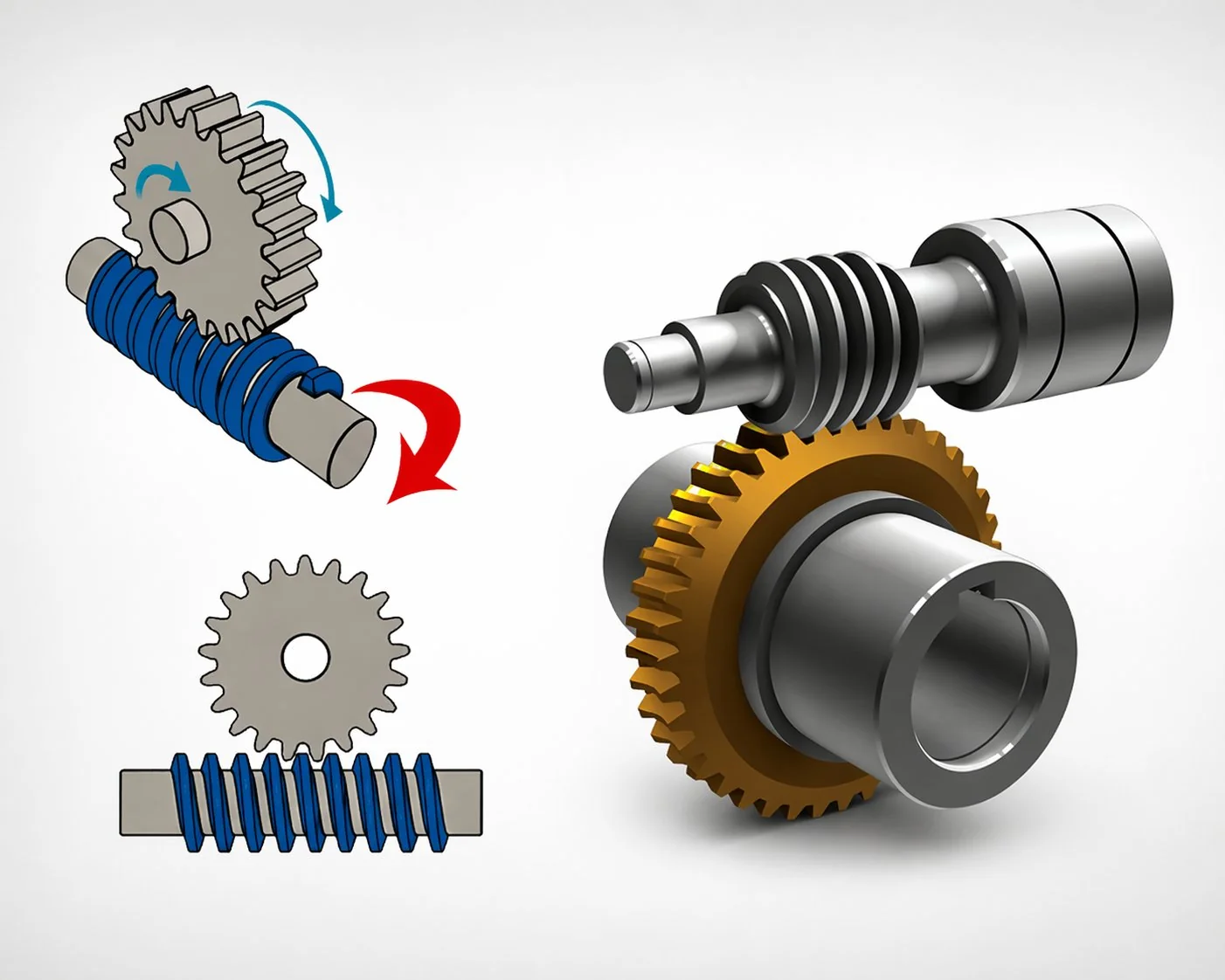
60:1 oranında bir sonsuz dişli çifti, 50:1 oranında bir düz dişli redüksiyonuyla birleştirildiğinde, arıtma köprüsüne sığan bir tahrik paketinde toplam 3.000:1 oran elde edilir; bu da ayrı bir dişli kutusu kulesine ihtiyaç duymadan 1.450 RPM motor hızını 0,48 RPM kazıyıcı dönüşüne dönüştürür.
Arıtma tanklarındaki sıyırıcılar ve yoğunlaştırıcı tırmıklar, çökelmiş çamurdan sürekli bir sürtünme torkuna maruz kalırlar. Motor durduğunda, tahrik sistemi kendiliğinden kilitlenmiyorsa, çamur sürtünmesi sıyırıcıyı geriye doğru döndürür ve bu da çok kollu arıtma tanklarında sıyırıcı zincirlerinin birbirine dolanmasına neden olabilir.
Tedavi süreçleri sürekli olarak devam eder. Sonsuz dişli çifti yılda 8.760 saat çalışır; bu, 30 makaleden oluşan bu serideki herhangi bir uygulamanın en uzun yıllık çalışma saatlerinden biridir. Sıcaklık telafili yağ değişimli yağ banyosu yağlaması bu görev için standarttır.
H₂S aşındırıcı atmosfer karar ağacı — konsantrasyondan malzeme özelliklerine kadar
Hidrojen sülfür (H₂S), atık su arıtma tesislerinde en belirgin aşındırıcı gazdır. Organik maddenin anaerobik ayrışması sonucu oluşur; özellikle giriş bölümlerinde, birincil çöktürme havuzlarında, çamur tutma tanklarında ve kapalı sindiricilerde bulunur. H₂S konsantrasyonu tek bir atık su arıtma tesisi içinde büyük farklılıklar gösterir: giriş bölümündeki eleme alanında 50 ila 200 ppm arasında H₂S görülebilirken, ikincil çöktürme havuzunda sadece 5 ila 15 ppm arasında H₂S bulunabilir. Sonsuz dişli çifti malzemesi, tesis ortalamasına değil, kurulum noktasındaki yerel H₂S konsantrasyonuna uygun olmalıdır.
H₂S'nin dişli takımına nasıl zarar verdiği. H₂S, metal yüzeylerdeki nem filminde çözünerek (oksijen ve su varlığında) sülfürik asit oluşturur. Bu asit hem çelik sonsuz vidayı hem de bronz çarkı farklı mekanizmalarla etkiler. Çelikte, asit, dişli yüzeyini pürüzlendiren ve sürtünmeyi artıran çukur korozyonuna neden olur. Standart fosfor bronzunda (CuSn12Ni), H₂S bakırla reaksiyona girerek bakır sülfür (Cu₂S) oluşturur; bu, H₂S konsantrasyonuna bağlı olarak yılda 0,05 ila 0,3 mm arasında bronz yüzeyini tüketen sürekli büyüyen siyah bir kararma tabakasıdır. Alüminyum bronzu (CuAl10Fe5Ni5), alüminyum oksit yüzey tabakası H₂S ortamlarında kararlı olduğu için sülfür saldırısına karşı dirençlidir; bu nedenle alüminyum bronzu, 5 ppm'nin üzerindeki H₂S konsantrasyonlarında fosfor bronzunun yerini alır.
Çok düşük hızda çalışma — arıtma kazıyıcıları için 0,02 ila 2 RPM
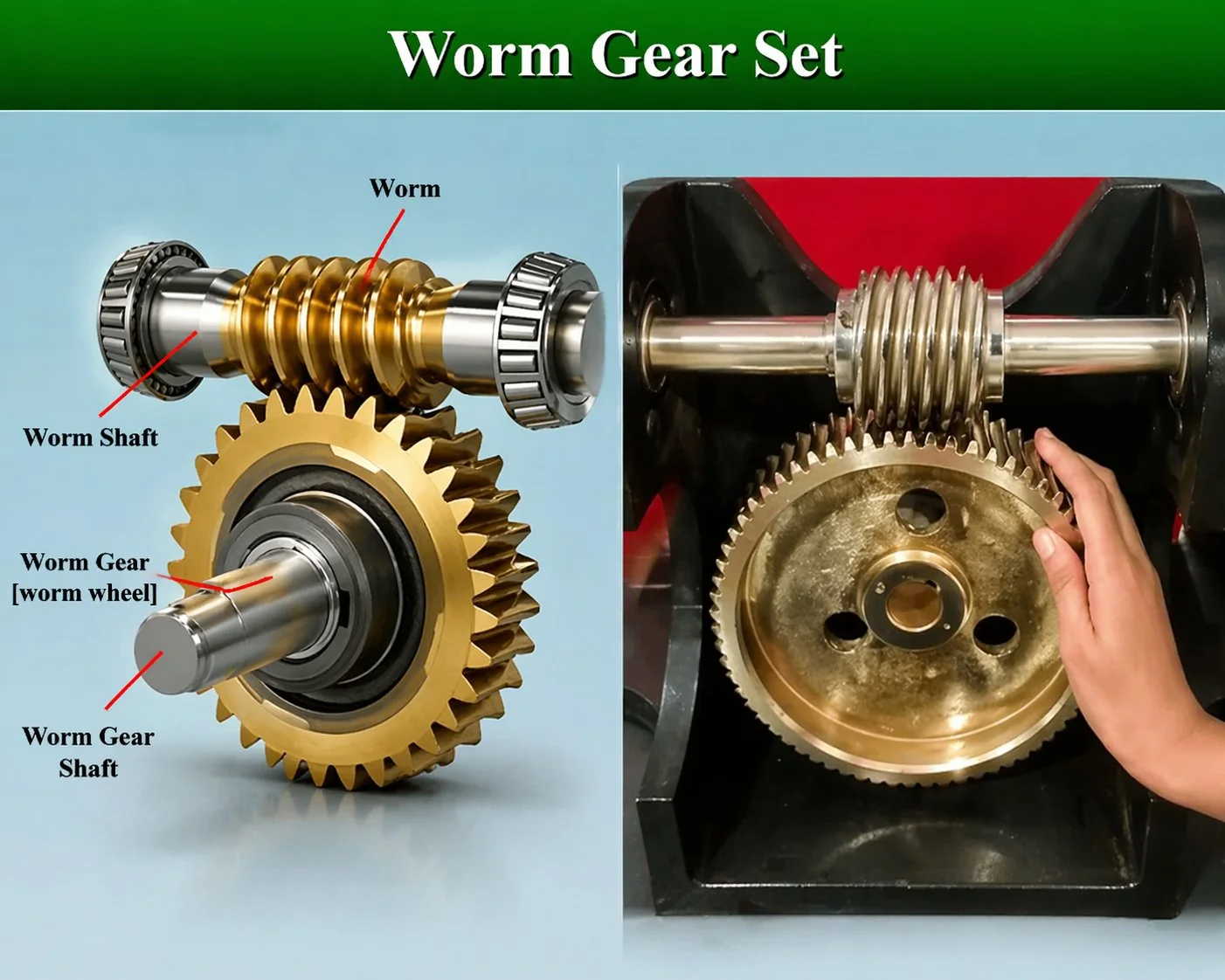
Arıtma ünitesi kazıyıcıları, dönüş hızı gözle neredeyse algılanamayacak kadar düşük çıkış hızlarında çalışır; birincil arıtma köprüsü için 0,03 ila 0,05 RPM, kazıyıcı kolunun ucunun havza yüzeyinde dakikada yaklaşık 5 ila 8 metre hareket ettiği anlamına gelir. Bu ultra düşük hız, motor ile kazıyıcı tahrik mili arasında 1.000:1 ila 5.000:1 arasında toplam dişli oranları gerektirir.
Tek kademeli sonsuz dişli çiftlerinin bu oranlara ulaşamamasının nedeni. Modül 3 ve q = 10'da tek başlangıçlı bir sonsuz dişli çiftinin oranı yaklaşık 40:1'dir. Tek bir kademede oranı 100:1'e çıkarmak, ya pratik olmayan derecede büyük bir dişli çark (çap orantılı olarak artar) ya da pratik olmayan derecede küçük bir sonsuz dişli çark adım çapı (mukavemeti azaltır) gerektirir. Tek bir sonsuz dişli çark kademesinde 100:1'in üzerindeki oranlar teorik olarak mümkündür, ancak kullanılamaz geometriye sahip çiftler üretir; sonsuz dişli çark çapı tork için çok ince, dişli çark ise gövde için çok büyük olur. Pratik çözüm, bileşik bir tahrik sistemidir: ilk kademede sonsuz dişli çifti (40:1 ila 80:1) artı ikincil bir düz, helisel veya planet kademe (25:1 ila 80:1). Arıtma cihazı tahrik sistemleri için yaygın bileşikler: sonsuz dişli 60:1 + düz dişli 50:1 = toplam 3.000:1 veya sonsuz dişli 50:1 + planet 40:1 = toplam 2.000:1.
Çok düşük hızda yağlama. 0,03 ila 0,05 RPM çıkışta, sonsuz dişli giriş mili 50 ila 250 RPM arasında döner (bileşik tahrik içindeki sonsuz dişli kademe oranına bağlı olarak). Bu giriş hızı, sınır yağlamasının baskın olduğu bazı ultra düşük hızlı uygulamaların aksine, sonsuz dişli dişinde hidrodinamik bir yağ filmi oluşturmak için yeterlidir. Atık su arıtma tesislerinde sonsuz dişli tahrik sistemlerinde yağ banyosu yağlaması standarttır çünkü sürekli 7/24 çalışma, su arıtma ekipmanlarında tipik olan çok yıllık servis aralıklarında sızdırmaz gresin dağıtamayacağı sürekli ısı üretimine neden olur.
200.000 nüfusa hizmet veren Kore'deki bir belediye atıksu arıtma tesisi, 4 birincil çöktürme tankı sıyırıcı tahrik sistemi için sonsuz dişli çiftleri belirlemiştir. Çöktürme tankları, 30 m çapında, açık hava dairesel tipte ve merkezden beslemeli çevresel taşmalı tasarıma sahipti. Çöktürme tankı güverte seviyesinde H₂S konsantrasyonu 15 ila 25 ppm arasında ölçülmüştür - orta düzeyde maruz kalma. İlk şartnamede, 5 ppm'nin altındaki maruz kalma için uygun ancak gerçek 15 ila 25 ppm ortamı için yetersiz olan standart galvanizli çelik sonsuz dişliler ve fosfor bronz tekerlekler kullanılmıştır. 4 yıl sonra, dört sonsuz dişli çiftinden ikisinde bronz tekerlek yüzeylerinde ciddi sülfür kararması meydana gelmiştir - diş kalınlığı 0,18 mm (orijinalin yaklaşık 'si) azalmış ve boşluk 2,5 kat artmıştır. Geri kalan iki çift (tesisin rüzgar alan tarafında, hakim rüzgardan daha düşük H₂S konsantrasyonu alan) sadece hafif kararma göstermiştir. Dört çift için de değiştirme özellikleri: 304 paslanmaz çelik burgu, alüminyum bronz CuAl10Fe5Ni5 çark, yüksek kalınlıkta epoksi gövde kaplaması. Çift başına maliyet artışı: 420 USD (680 USD'den 1.100 USD'ye). 3. yıldaki değiştirme sonrası inceleme: Dört çiftin tamamında ihmal edilebilir düzeyde sülfür saldırısı görüldü - alüminyum bronz yüzey temiz ve stabil. Ders: H₂S konsantrasyonu, tesis tipinden tahmin edilmek yerine, gerçek kurulum noktasında ölçülmelidir. Aynı tesisteki iki arıtma ünitesi, hakim rüzgara, örtü durumuna ve ana arıtma tesisine yakınlığa bağlı olarak farklı H₂S seviyeleri yaşayabilir.
Dış mekan sürekli çalışma — yoğuşma, sıcaklık değişimleri ve biyofilm
Atıksu arıtma tesislerinde kullanılan sonsuz dişli tahrik sistemleri, arıtma köprülerinde, havza güvertelerinde ve yoğunlaştırıcı platformlarında açık havada çalışır ve sürekli olarak yağmur, güneş, rüzgar ve H₂S atmosferine maruz kalır. H₂S'nin ötesinde üç çevresel faktör, dişli çifti gövdesini ve contalarını etkiler.
Bu faktörlerin gövde tasarımı, conta özellikleri ve bakım planlaması yoluyla yönetilmesi, sonsuz dişli çiftinin hizmet ömrünü H₂S sınırlı beklentisinden (5 ila 15 yıl) tam mekanik aşınma ömrüne (15 ila 25 yıl) kadar uzatır.
Günlük sıcaklık değişimleri (gündüz-gece, mevsimsel) dişli kutusunun içinde yoğuşmaya neden olur; bu su yağı emülsifiye eder ve iç korozyonu hızlandırır. Nem alma kartuşlu havalandırma vanaları, nemi engellerken basıncı dengeler. Nem alma kartuşunu 6 ayda bir değiştirin. Kritik tahrik sistemleri için, gövde sıcaklığını ortam çiğlenme noktasının 5°C üzerinde tutan düşük watt'lı bir ısıtıcı kartuşu (5-10 W) takın.
UV ışınları, standart nitril ve NBR contaları 2 ila 3 yıl içinde bozar (çatlama, kırılganlık). EPDM contalar 5 ila 8 yıl, FKM (Viton) ise 10 yıldan fazla UV ışınlarına dayanıklıdır. Bozulan contalardan yağmurla gelen su girişi, yağa nem ve çözünmüş H₂S katar; bu da dış gövde kaplaması sağlam olsa bile iç korozyonu hızlandırır.
Sıcak, nemli ve besin açısından zengin atık su arıtma tesisi atmosferi, ekipman muhafaza yüzeylerinde biyofilm ve yosun oluşumunu teşvik eder. Biyofilm, nemi muhafazaya hapsederek altındaki boyanın bozulmasını hızlandırır. Muhafaza dış yüzeylerinin yıllık olarak basınçlı suyla yıkanması, biyofilmi temizler ve kaplama durumunun görsel olarak incelenmesine olanak tanır. Tropikal atık su arıtma tesisi tesislerindeki muhafazalar için antimikrobiyal boya katkı maddesi belirtin.
Atıksu arıtma için üç adet sonsuz dişli çifti spesifikasyon örneği
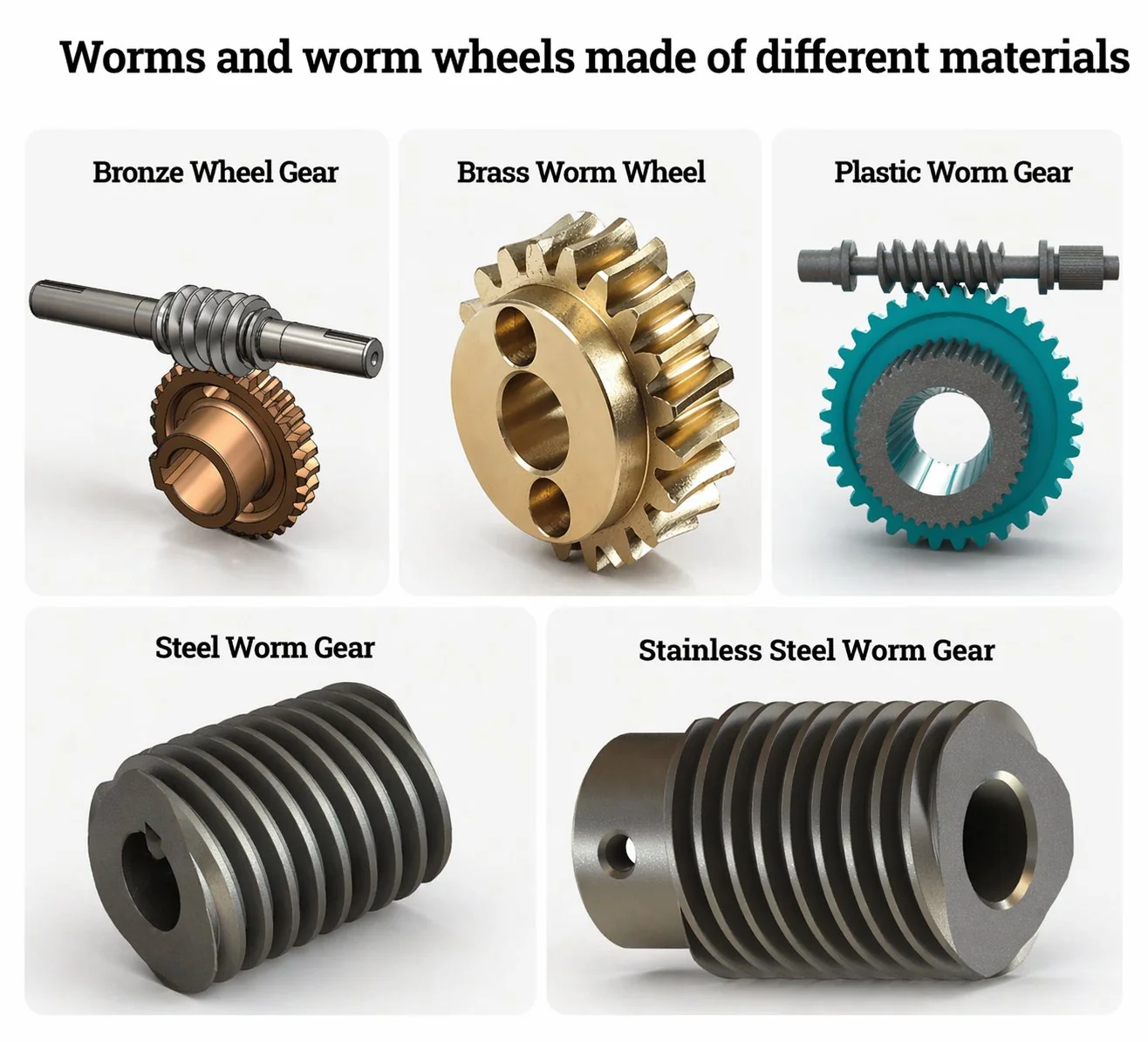
Vaka 1 — Kore belediye atıksu arıtma tesisi: 30 m çöktürme tankı sıyırıcısı, 0,04 RPM, orta düzeyde H₂S
200.000 nüfusa hizmet veren Kore'deki bir belediye atıksu arıtma tesisi, 4 adet birincil çöktürme tankı sıyırıcı tahriki için sonsuz dişli çiftleri belirlemiştir. Çöktürme tankı çapı: 30 m. Sıyırıcı tipi: 4 sıyırıcı kollu, merkezden pivotlu döner köprü. Çıkış hızı: 0,04 RPM (25 dakikada bir devir). Merkezden pivotlu şafttaki çıkış torku: 6.500 N·m (maksimum örtü derinliğinde çamur sürükleme). Çöktürme tankı güvertesinde H₂S: 15 ila 25 ppm (orta aralık). Bileşik tahrik: 60:1 sonsuz dişli çifti + 60:1 düz dişli redüksiyonu = toplam 3.600:1. Motor: 3 kW, 1.450 RPM. Sonsuz dişli çifti (düzeltilmiş özellik): tek başlangıçlı, modül 5, merkez mesafesi 125 mm, nominal 2.200 N·m (düz dişli kademesi kalan oranı taşır). Malzeme: 304 paslanmaz çelik sonsuz dişli, alüminyum bronz CuAl10Fe5Ni5 çark. ISO VG 460 sentetik PAG (H₂S'ye dayanıklı katkı maddesi paketi) ile yağ banyosu yağlaması. Gövde: Yüksek kalınlıkta epoksi kaplama (kuru film minimum 250 µm). Conta: Nem alma havalandırmalı FKM (Viton) IP66. Yağ değişimi: Asit numarası takibine bağlı olarak her 2 yılda bir. Sonsuz dişli çifti başına maliyet: 1.100 USD. Hedeflenen kullanım ömrü: 12 yıl.
Vaka 2 — Japon endüstriyel atıksu arıtma tesisi: çamur yoğunlaştırıcı, 0,3 RPM, sindirici yakınında yüksek H₂S seviyesi
Bir Japon kimya şirketi, tesis içi endüstriyel atıksu arıtma tesisindeki 2 adet yerçekimli bantlı yoğunlaştırıcı tahrik sistemi için sonsuz dişli çiftleri belirledi. Yoğunlaştırıcılar, anaerobik sindiriciye bitişik konumdaydı ve H₂S konsantrasyonu 60 ila 90 ppm (yüksek bant) arasında ölçülmüştü. Çıkış hızı: 0,3 RPM. Çıkış torku: 1.800 N·m. Yüksek H₂S ortamı, tam korozyon koruma spesifikasyonunu gerektiriyordu: tek başlangıçlı sonsuz dişli çifti, modül 4, merkez mesafesi 100 mm, oran 40:1. Malzeme: 316L paslanmaz çelik sonsuz dişli, alüminyum bronz tekerlek. Gövde: kömür katranı epoksi kaplama (standart epoksiye göre üstün H₂S direnci). Conta: Basınçlı labirentli FKM – pozitif iç nitrojen basıncı (0,3 bar), sindirici havalandırma olayları sırasında atmosfer konsantrasyonu 90 ppm'ye ulaştığında bile H₂S'nin gövdeye girmesini önledi. Yağ: Kükürt giderici katkılı ISO VG 680 sentetik PAG. Çift başına maliyet: 1.850 USD (basınçlı sızdırmazlık sistemi dahil). Elde edilen kullanım ömrü: İlk tekerlek değişimine kadar 7 yıl - 60 ila 90 ppm H₂S için 6 ila 10 yıllık beklentiyle tutarlı. Gözat korozyona dayanıklı sonsuz dişli redüktör Atıksu arıtımı ve H₂S atmosferli endüstriyel uygulamalar için seçenekler.
Vaka 3 — Vietnam su ürünleri yetiştirme havuzu: çarklı havalandırıcı, 20 RPM, ılıman atmosfer
Vietnam'da bir karides çiftliği, 12 su ürünleri havuzuna dağıtılmış 36 adet paletli havalandırıcı için sonsuz dişli çiftleri belirledi. Havalandırıcılar, karideslerin hayatta kalması için çözünmüş oksijeni korumak amacıyla havuz suyunu çalkalıyordu; bu, havalandırıcı arızasının saatler içinde toplu karides ölümlerine neden olabileceği hayati önem taşıyan bir uygulamaydı. Çıkış hızı: 20 RPM (berraklaştırıcı sıyırıcılardan çok daha hızlı). Çıkış torku: Havalandırıcı başına 120 N·m. H₂S: 3 ppm'nin altında (ılıman - iyi havalandırmalı açık hava havuzları). Şartname maliyet odaklıydı: ılıman atmosferde 5 yıllık hizmet ömrü hedefini karşılayan en düşük malzeme maliyetiyle 36 ünite. Sonsuz dişli çifti: tek başlangıçlı, modül 3, merkez mesafesi 63 mm, oran 30:1. Malzeme: sıcak daldırma galvanizli sonsuz dişli (3 ppm H₂S'nin altında yeterli), fosfor bronz tekerlek. Conta: EPDM IP55 (sıçrama bölgesi - havalandırıcılar su püskürtür ancak suya batırılmaz). Yağlama: Standart lityum kompleks EP, yağlama nipeli üzerinden 6 ayda bir yeniden yağlanır. Çift başına maliyet: 48 USD. 36 ünite için maliyet: 1.728 USD. Çift başına 48 USD, her bir havuzda ve her hasat döngüsünde yaklaşık 5.000 USD değerinde karidesi korumuştur. Yıllık bakım: 6 ayda bir yağlama, yıllık conta kontrolü, 3 yılda bir çinko kaplama kontrolü (çinko kaybı orijinal kalınlığın 'sini aşarsa yeniden galvanizleme veya değiştirme).
Sıkça sorulan sorular
S: Sonsuz dişli çiftinin montaj noktasında H₂S konsantrasyonunu nasıl ölçerim?
Arıtma ünitesi güvertesinde veya tank platformunda, sonsuz dişli çifti muhafazasının yüksekliğine yerleştirilmiş taşınabilir bir elektrokimyasal H₂S dedektörü (maliyet: 200 ila 500 ABD doları) kullanın. En kötü durum koşullarında ölçüm yapın: sıcak hava (H₂S emisyonu sıcaklıkla artar), düşük rüzgar (konsantrasyon birikir) ve en yüksek organik yükleme (genellikle belediye atıksu arıtma tesislerinde öğleden sonra). 1 saatlik ortalama konsantrasyonu kaydedin. Ölçümü mevsimsel olarak tekrarlayın — H₂S seviyeleri aynı konumda kış ve yaz arasında 3 ila 5 kat değişebilir. Malzeme spesifikasyonu için en yüksek mevsimsel okumayı kullanın.
S: Standart fosfor bronzu herhangi bir atıksu arıtma tesisi uygulamasında kullanılabilir mi?
Sadece H₂S konsantrasyonunun sürekli olarak 5 ppm'nin altında olduğu yerlerde kullanılır; tipik olarak iyi havalandırılan tesislerdeki ikincil çöktürme havuzları, atık su kanalları ve filtre binaları. 5 ppm'nin üzerinde, fosfor bronzun sülfürle kararması, 3 ila 5 yıl içinde ölçülebilir diş kalınlığı kaybına yol açacak noktaya kadar hızlanır. Alüminyum bronz (CuAl10Fe5Ni5), 5 ppm H₂S'nin üzerindeki tüm atık su arıtma tesisi lokasyonları için standart yükseltmedir; alüminyum oksit tabakası, fosfor bronzun dayanamadığı sülfür saldırısına karşı direnç gösterir. Alüminyum bronzun fosfor bronza göre maliyet farkı, tekerlek başına tipik olarak ila arasındadır; bu, aşındırıcı bir ortamda 10 ila 15 yıl dayanması beklenen bir parça için haklıdır.
S: Atık su arıtma tesislerindeki sonsuz dişli çiftlerinin yağ değişim aralığı ne olmalıdır?
Hafif H₂S ortamları için (5 ppm'nin altında): yağ analizine göre her 3 ila 4 yılda bir (asit sayısı 2,0 mgKOH/g'nin altında, su içeriği %0,1'in altında). Orta dereceli ortamlar için (5 ila 25 ppm): her 2 yılda bir — muhafazaya nüfuz eden H₂S izleri yağda sülfürik asit oluşturarak asit sayısını temiz ortamlara göre daha hızlı yükseltir. Yüksek ortamlar için (25 ppm'nin üzerinde): analizden bağımsız olarak yıllık yağ değişimi — kükürt kirliliği yükü, uzun aralıklara izin vermeyecek kadar yüksektir. H₂S seviyesinden bağımsız olarak tüm atık su arıtma tesisi sonsuz dişli muhafazalarına nem alma cihazı ekleyin — sadece nem kontrolü bile yağ ömrünü ila oranında uzatır.
S: Çamur tabakasının derinliği değiştikçe tork ihtiyacı nasıl değişir?
Kazıyıcının sürükleme torku, çamur tabakası derinliğiyle yaklaşık olarak doğrusal bir şekilde artar. İnce bir çamur tabakasına (100 ila 200 mm) sahip bir arıtma tankı düşük sürükleme üretir; aynı arıtma tankı kalın bir çamur tabakasına (pik yükleme sırasında 500 ila 800 mm) sahip olduğunda ise 2 ila 4 kat daha fazla sürükleme üretir. Sonsuz dişli çifti, maksimum çamur tabakası koşulu için derecelendirilmelidir; bu durum yalnızca hidrolik yüklemenin zirve yaptığı ıslak hava akış olayları sırasında meydana gelebilir. Ortalama çamur tabakası derinliğinden yola çıkarak yapılan belirleme, çifti yaklaşık oranında düşük derecelendirir. Sürükleme torku nominal kapasitenin 'ine yaklaştığında operatörleri uyaran bir tork aşırı yük sensörü (motordaki akım izleme) ekleyin; bu, çamur tabakası derinliğinin kazıyıcının durmasından önce daha fazla çekme pompalaması gerektirdiğini gösterir.
S: Bir atıksu arıtma tesisindeki sonsuz dişli çiftinin tipik hizmet ömrü ne kadardır?
Servis ömrü, korozyon (H₂S kaynaklı) veya mekanik aşınma olmak üzere hangi sınıra önce ulaşılırsa ona göre belirlenir. Standart malzemelerle 5 ppm'nin altında H₂S konsantrasyonunda: korozyona bağlı değiştirme öncesinde 10 ila 15 yıl. Uygun H₂S'ye dayanıklı malzemelerle 25 ila 100 ppm arasında: 6 ila 10 yıl. Sadece mekanik aşınma (sıfır korozyon ortamında), atık su arıtma tesislerinde tipik olan sürekli 7/24 çalışma koşullarında 15 ila 25 yıl dayanabilir. Korozyon sınırı neredeyse her zaman mekanik sınırdan önce gelir; bu nedenle H₂S konsantrasyonu, atık su arıtma tesislerinde sonsuz dişli çifti tedariki için en önemli spesifikasyon girdisidir. Gerçek H₂S seviyesi için doğru malzeme seçimi, korozyon ömrü ile mekanik ömür arasındaki farkı kapatarak, daha yüksek maliyetli H₂S'ye dayanıklı spesifikasyonun getirisini en üst düzeye çıkarır.
Atıksu arıtma sonsuz dişli çiftleri, üç zorlu koşulun kesiştiği noktada çalışır: hidrojen sülfür korozyonu (5 ila 200+ ppm), ultra düşük çıkış hızı (0,02 ila 2 RPM, 1.000:1 ila 5.000:1 bileşik oranları gerektirir) ve sürekli 7/24 dış mekan çalışması (yılda 8.760 çalışma saati). H₂S malzeme karar ağacı, kurulum noktasındaki yerel atmosferik konsantrasyonu gerekli sonsuz dişli malzemesine, tekerlek alaşımına, gövde kaplamasına ve conta özelliklerine eşleştirir; böylece malzeme maliyetinin, aşırı spesifikasyon (bütçeyi israf etme) veya yetersiz spesifikasyon (hizmet ömrünü yarıya indirme) gibi varsayılan durumlara yol açmak yerine, gerçek korozyon şiddetiyle eşleşmesini sağlar. H₂S'ye dayanıklı katkı paketleri ve kurutucu havalandırma sistemleriyle yağ banyosu yağlaması, sürekli çalışan su arıtma ekipmanlarının gerektirdiği çok yıllık yağ değişim aralıklarını destekler.
Su arıtma ekipmanı üreticileri ve atıksu arıtma tesisi işletmecileri için, mühendislik departmanımız H₂S konsantrasyonunu doğru malzeme spesifikasyonuna eşleştirir. Standart katalog korozyona dayanıklı sonsuz dişli takımları 80 ila 200 mm merkez mesafesine sahip atık su arıtma tesisleri için galvanizli, 304 paslanmaz çelik ve 316L paslanmaz çelik seçenekleri ile fosfor bronz ve alüminyum bronz tekerlekler ile birlikte atık su tahrik üniteleri sunuyoruz. H₂S ölçümü, çıkış hızı, tork ve tesis içindeki kurulum yeri bilgilerini içeren bir atık su tahrik ünitesi spesifikasyonu gönderin.
Atıksu arıtma ekipmanları için sonsuz dişli çiftlerinin özelliklerini belirlemek mi istiyorsunuz?
Kurulum noktasındaki H₂S konsantrasyonunu, çıkış hızını ve torkunu, arıtma ünitesi veya ekipman tipini ve tahrik sisteminin açık havada mı yoksa kapalı alanda mı olduğunu bize gönderin. Biz de H₂S bandını sınıflandırıp doğru malzeme, kaplama ve sızdırmazlık paketini önereceğiz.
Editör: Cxm