Кореја Евер-Пауер · Водич за инжењеринг апликација
Пуж и пужни точак за штампарске машине и погоне за довод папира
У офсет штампарској машини, један пар пужних зупчаника ради нешто што ниједан други тип зупчаника не може да понови: претвара ротационо кретање у истовремену ротацију и аксијално померање ваљка за дистрибуцију мастила — равномерно распоређујући филм мастила од 2 микрона по ширини ваљка од 1.000 мм са сваким обртајем. Овај механизам осцилације је скривена геометрија иза сваке оштре одштампане слике.
Штампарске машине користе парове пужних зупчаника у две различите улоге које ниједна друга примена не комбинује. Прво, механизам осцилације ваљка за мастило: пужни навој се захвата са спиралним жлебом на ваљку за дистрибуцију мастила, претварајући ротацију у аксијално кретање ваљка — равномерно распоређујући мастило по ширини штампе како би се спречило стварање трака. Друго, погон за довод папира или траке: пужни парови покрећу ваљке за транспорт папира прецизно контролисаном брзином за тачност регистрације више боја унутар плус или минус 0,05 мм. Дијаграм механизма осцилације мастила показује како геометрија пужног навоја одређује ход и брзину кретања. Вибрације из мреже пужног зупчаника преносе се кроз низ мастила на површину за штампање — чинећи завршну обраду површине (Ra 0,2 до 0,4 µм) и тачност зубаца (DIN 5 до 7) критичним за квалитет штампе. Пужни парови штампарских машина раде на већим брзинама (улаз 1.500 до 3.000 о/мин) и мањим оптерећењима (5 до 20 N·m) од већине индустријских примена пужних зупчаника, стављајући их у режим прецизне брзине, а не у режим обртног момента и капацитета.
Две различите улоге пужног зупчаника у штампарским машинама
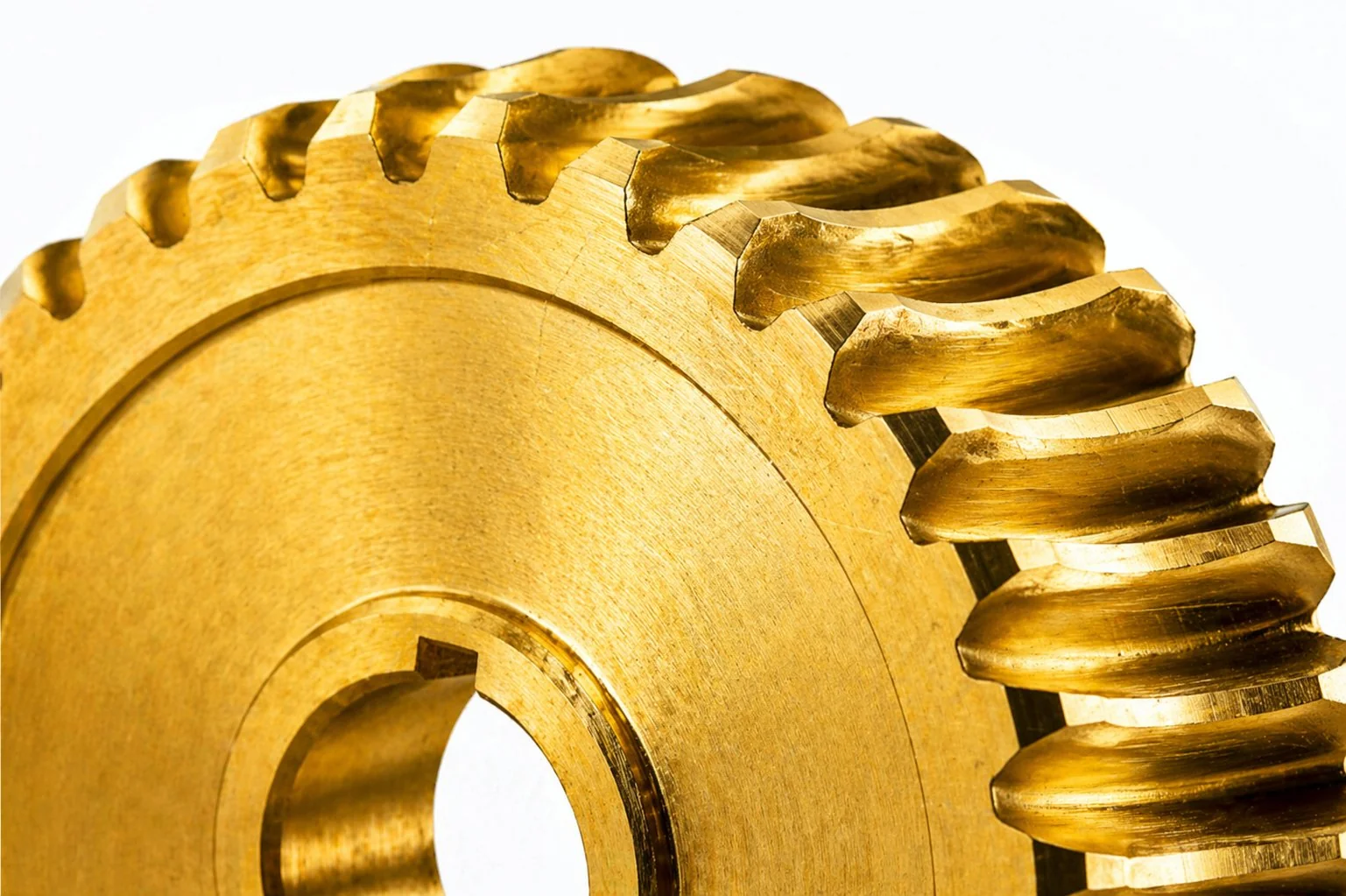
За разлику од сваке друге примене у овој серији (А01 до А17) где пар пужних зупчаника служи искључиво као редуктор брзине, штампарске машине користе геометрију пужних зупчаника на два фундаментално различита начина - и разумевање оба је неопходно за исправну спецификацију.
Погонски навој захвата спирални жлеб на ваљку за дистрибуцију мастила. Како се навој окреће (покреће га зупчаник штампарског цилиндра), ваљак са мастилом се истовремено окреће и помера аксијално за 3 до 8 мм по обртају. Ова аксијална осцилација равномерно распоређује филм мастила по ширини ваљка, спречавајући траке недостатка мастила. Пуж овде функционише као брегасти мотор са линеарним кретањем, а не као редуктор брзине. „Пар зупчаника“ је навој пужа и жлеб ваљка - не одвојени пужни точак.
Пар пужа и пужног точка смањује брзину мотора на брзину ваљка за транспорт папира — конвенционална функција смањења брзине. Пар пужних зупчаника за довод папира мора да обезбеди изузетно конзистентну брзину излаза јер вишебојно штампање региструје четири одвојена отиска боје на истом листу унутар плус или минус 0,05 мм. Варијација брзине од 0,1 процента на ваљку за довод папира производи кумулативну грешку регистрације која постаје видљива као ивице боје након 3 до 5 дужина штампе.
Механизам осцилације ваљка за мастило — како геометрија пужног навоја распоређује мастило
Механизам осциловања мастила је јединствен за штампарске машине — ниједна друга индустрија не користи геометрију пужног зупчаника на овај начин. Навој пужа делује као спирални брегасти осовина који се захвата са одговарајућим спиралним жлебом обрађеним у цевчици ваљка за дистрибуцију мастила. Како се пуж ротира, навој гура ваљак аксијално док се ваљак истовремено ротира од контакта трења са суседним ваљцима мастила у низу мастила.
Дијаграм испод приказује механизам у попречном пресеку и аксијалном погледу.
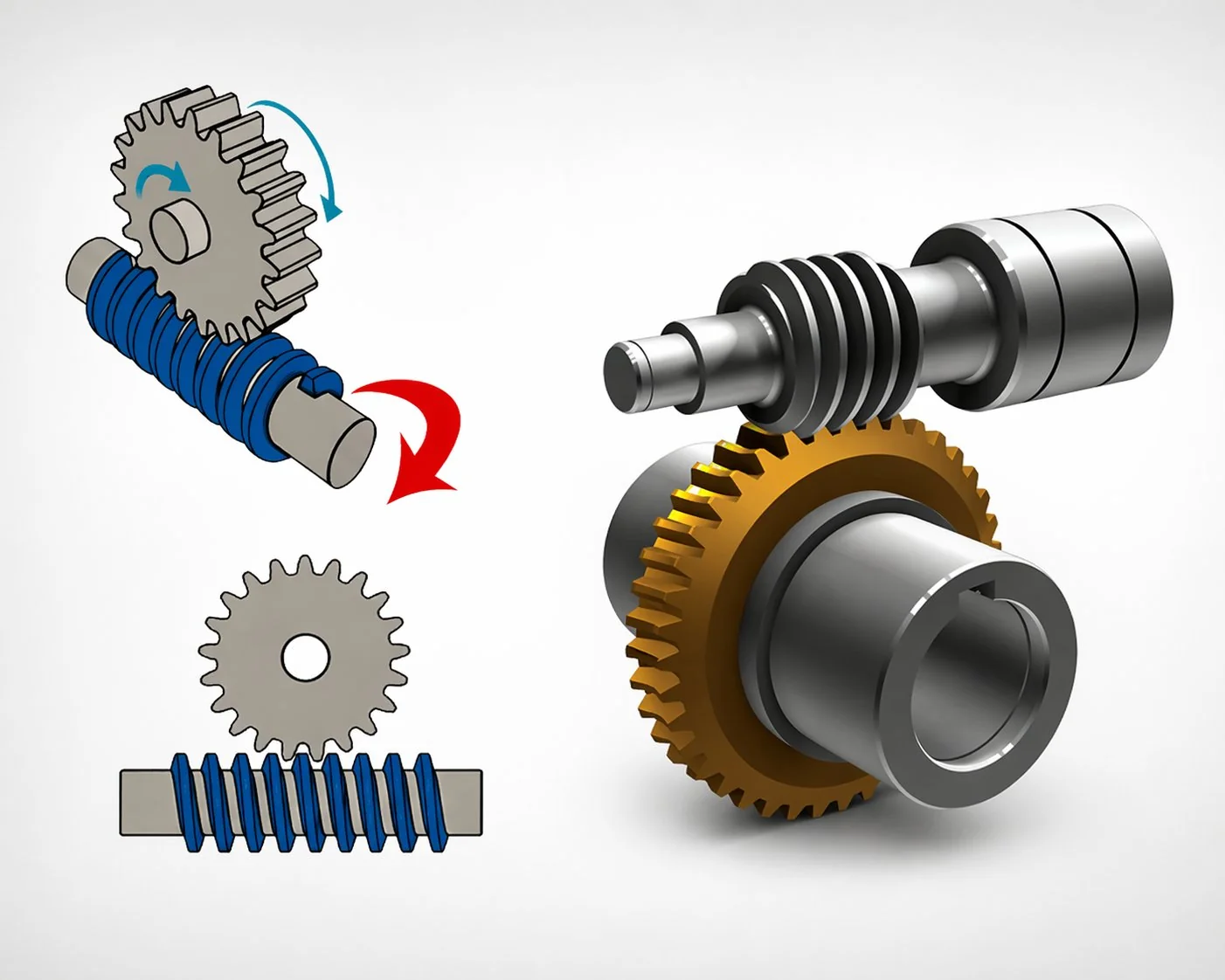
                       Померање S = 3 до 8 мм
├─────────────────────────────────────────┤

═══════════════════════╗ ╔═════════════════════
ДНЕВНИК ЗА ВАЉАК СА МАСТИЛОМ ╚═══════════════════╝ ТЕЛО ВАЉКА СА МАСТИЛОМ
(спирални жлеб) ↕ закачити се (носи филм мастила)
│
[ЦРВНИ НИТ]
│
Оса ротације црва
(окидало на ваљак)

  Црв се окреће ──→ навој гура ваљак аксијално ──→ ваљак осцилује
лево-десно за потез S по обртају

Ход: S = ход пужа × (угао захватања жлеба / 360°)
Типично: точкови 6 mm × угао захватања 180° = Ход од 3 мм по полуокрету
  Пуни циклус осцилације: укупни помак од 6 мм (3 мм лево + 3 мм десно)
Зашто је осцилација важна за квалитет штампе. Без аксијалног осциловања, ваљак за дистрибуцију мастила преноси мастило само на фиксној контактној линији са сваким суседним ваљком. Потрошња мастила варира у зависности од ширине одштампане слике (фотографија са тамним областима са леве стране користи више мастила на левој страни), а без осциловања, филм мастила постаје неравномеран у року од 50 до 100 отисака — стварајући видљиве светле и тамне траке у областима са пуном бојом. Осцилација редистрибуира мастило бочно, усредњавајући дебљину филма по целој ширини ваљка. Ход осцилације (3 до 8 мм) и фреквенција осцилације (једном на 1 до 3 обрта) подешавају се ходом навоја пужа и геометријом захвата — уграђени су у дизајн пужа и не могу се подесити након производње.
Захтев за тачност навоја. Навој пужа који покреће осцилацију ваљка за мастило мора бити произведен са мањим толеранцијама од стандардног пужа са смањењем брзине. Грешка корака у осцилаторном пужу производи неравномерну брзину кретања — ваљак се креће брже у једном смеру него у другом, стварајући асиметричну расподелу мастила. Кумулативна грешка корака треба да буде испод 10 µm дуж целе дужине захватања навоја (обично 20 до 40 mm). Ово захтева брушење (Ra 0,2 до 0,4 µm) навоја осцилаторног пужа — резани навоји са Ra 1,6 µm не испуњавају захтев тачности корака за квалитетно штампање.
Осетљивост на вибрације — како побуђивање мреже пужног зупчаника утиче на квалитет штампе
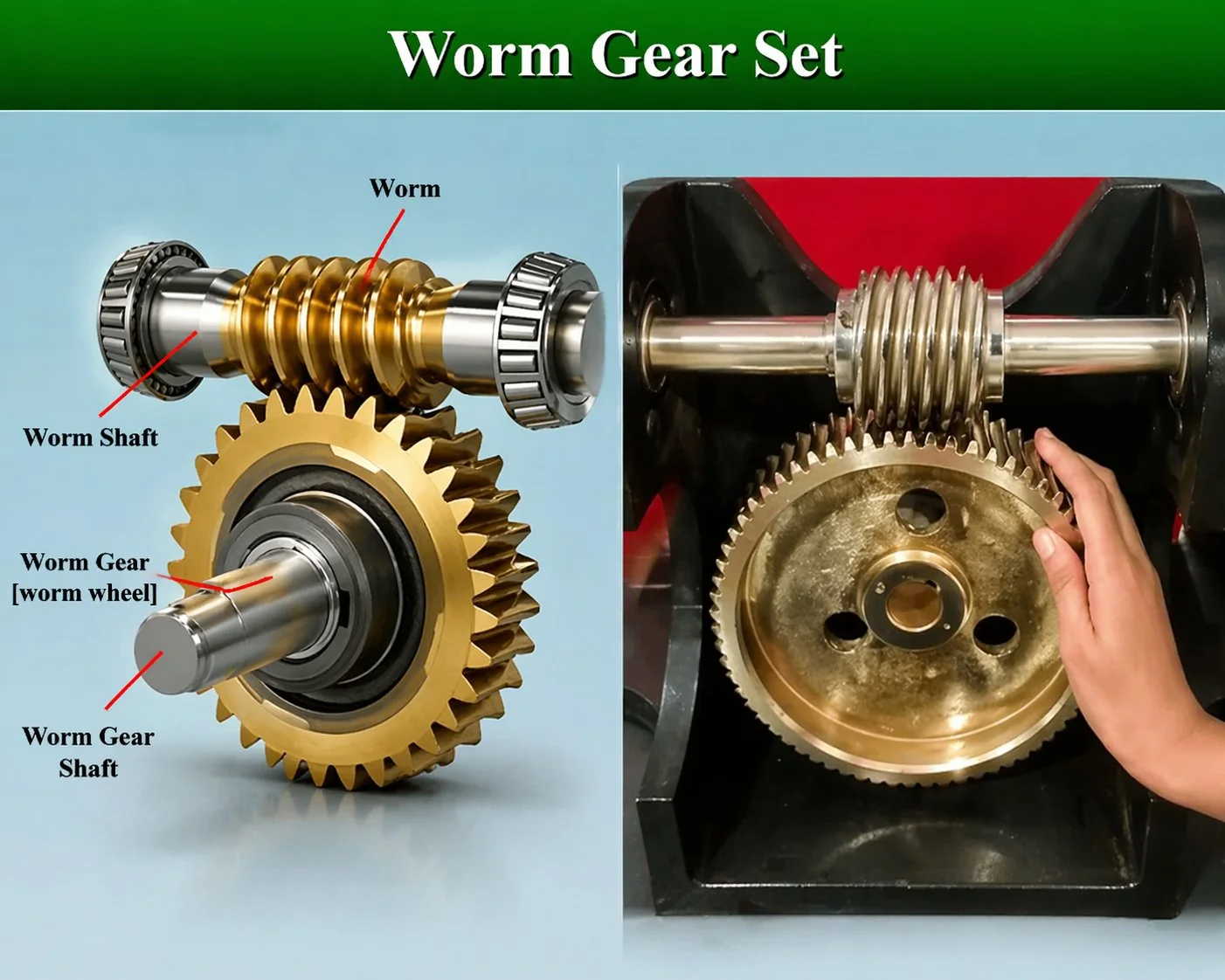
Штампарске машине су машине осетљиве на вибрације. Пренос мастила са плоче на штампарску плочу и папир се одвија при контактном притиску од 0,1 до 0,3 MPa преко ширине зацепа од 3 до 8 mm — свака вибрација која модулира овај контактни притисак производи одговарајућу модулацију дебљине филма мастила на папиру. Резултат је видљив као „ghosting“ (слабе понављајуће сенке слике), „banding“ (периодични светли и тамни трагови) или „slur“ (размазивање слике у смеру штампе).
Пар зупчаника — и компонента осцилације и пар за смањење увлачења — доприносе вибрацијама на својој фреквенцији мреже. За конфигурацију са једним покретањем при улазу од 1.500 о/мин, фреквенција мреже је 1.500 / 60 = 25 Hz. За конфигурацију са 2 покретања при истој брзини, фреквенција мреже је 50 Hz. Ове фреквенције спадају у опсег од 10 до 100 Hz где оквир штампе и низ мастила имају структурне резонанције — што значи да чак и мало побуђивање на фреквенцији мреже може да се појача у значајне вибрације на површини за штампање.
Табела показује да разлика у завршној обради површине између резане и преклопљене штампе производи 10 пута смањење амплитуде вибрација мреже — што се преводи са „видљивог тракања“ на „без видљивог дефекта“ у квалитету штампе. За комерцијалну офсет и флексографску штампу, стандард је брушена завршна обрада (Ra 0,4 µm). За премиум паковање, уметничку репродукцију и безбедносну штампу (новчанице, маркице), специфицирана је преклопљена завршна обрада (Ra 0,2 µm).
Корејска штампача флексографске амбалаже пријавила је периодично појављивање трака на новој шестобојној машини која штампа на валовитом картону брзином од 180 метара у минути. Траке су се појављивале као светле/тамне пруге у интервалима од 25 мм у великим областима једнобојне боје — интервал који одговара обиму осцилаторног пужа за мастило (једноструки старт, Ø8 мм, пречник 8 мм). Истрага је потврдила да је осцилаторни део био обрађен (Ra 1,4 µm). Грешка пречника је износила 22 µm на дужини захвата од 30 мм — што је довело до неравномерне брзине осцилације и асиметричне расподеле мастила. Произвођач машине је навео брушене пужеве на оригиналној листи делова, али је резервни осцилаторни пуж који је испоручени на последњем одржавању заменио обрађеним пужем од стране дистрибутера делова (визуелно идентичан, 60% јефтинији). Замена брушеном компонентом (Ra 0,3 µm, грешка пречника 6 µm) елиминисала је појављивање трака у првих 100 отисака након инсталације. Цена брушеног дела: 28 УСД. Цена обрађене замене: 11 УСД. Трошкови отпада од штампе повезаног са тракањем током 3 недеље када је део са хоблером инсталиран: приближно 4.800 америчких долара у одбаченим картонима. Поука: компоненте осцилације штампарске машине нису заменљиве са стандардним деловима индустријског квалитета — захтеви за тачност греде и завршну обраду површине су специфични за функцију штампања и морају се проверавати при свакој замени, а не претпостављати на основу димензионалне компатибилности.
Спецификације за три пара пужних зупчаника штампарске машине
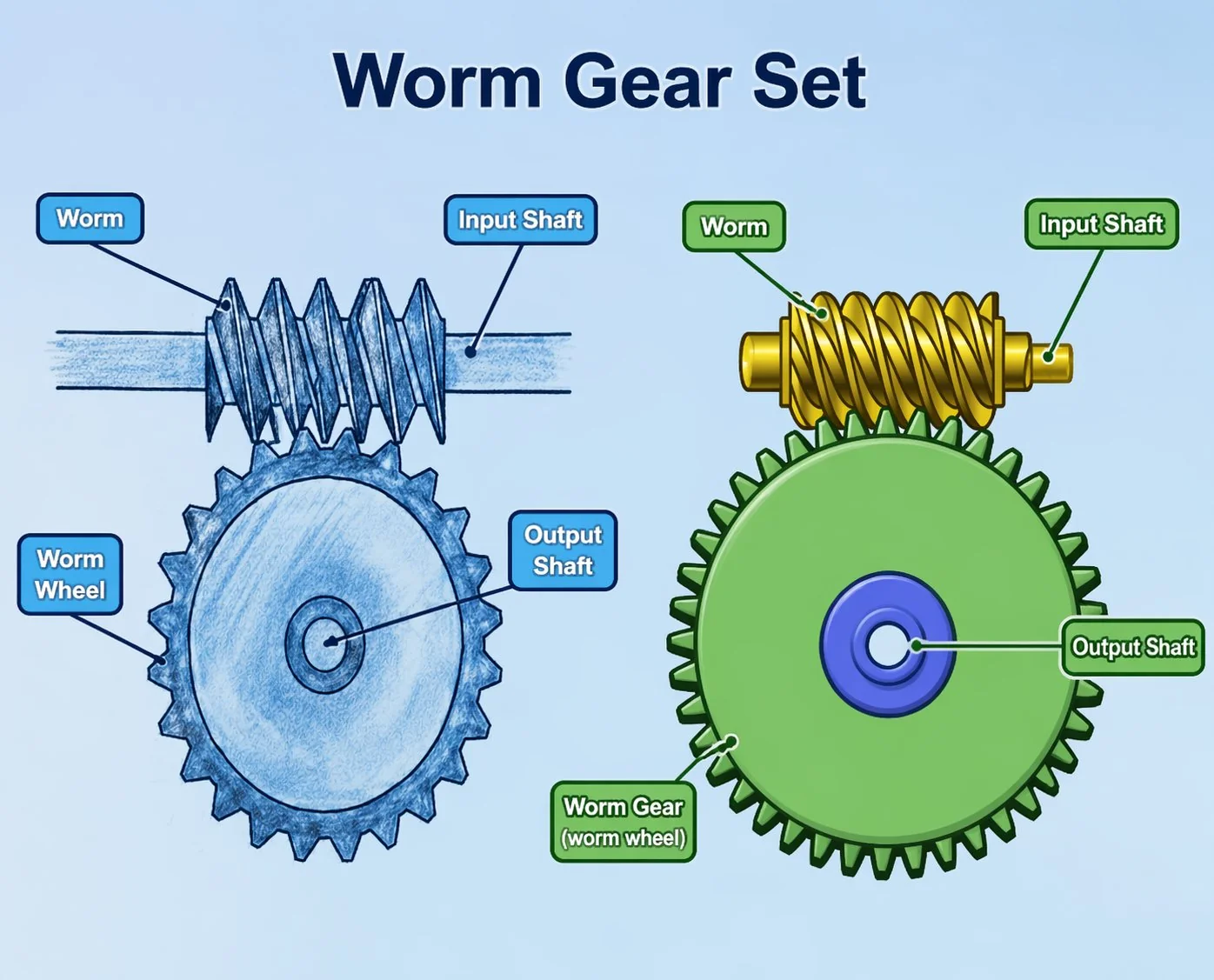
Случај 1 — Корејски штампач флексо амбалаже: 6 боја, осцилација мастила + погон за увлачење
Корејска штампарија амбалаже је одредила компоненте пужног зупчаника за флексографску штампу са 6 боја која ради са валовитим и флексибилним паковањем брзином од 120 до 200 м/мин. Свака станица за боју имала је један навој за осцилацију боје и један пар зупчаника за смањење подавања. Осцилациони навој: једноходни, Ø10 мм, пречник 6 мм, брушени Ra 0,3 µм, каљени челик (HRC 58). Грешка пречника: испод 8 µм преко 35 мм захвата. Попречни ход: 3 мм по полуокрету. Шест осцилационих навоја по преси: 6 × 22 УСД = 132 УСД. Пужни зупчаник за смањење подавања: једноходни, модул 1,5, међуосно растојање 30 мм, однос 20:1, брушени Ra 0,4 µм, DIN класа тачности 6. Излазни обртни момент: 8 N·m (лагано — само затезање папирне траке). Шест парова за додавање по преси: 6 × 85 УСД = 510 УСД. Укупни трошкови компоненти зупчаника по преси: 642 УСД. Штампа је штампала приближно 2,4 милиона линеарних метара годишње валовите амбалаже по цени од 0,08 америчких долара по линеарном метру — што представља 192.000 америчких долара годишње производње штампе, што је резултат 642 америчких долара компоненти пужних зупчаника.
Случај 2 — Јапанска офсет штампа: 4 боје, регистрација ±0,05 мм, преклапање
Јапанска комерцијална штампарија је одредила парове пужних зупчаника за погон за увлачење табака четворобојне офсет машине која производи висококвалитетне брошуре, каталоге и уметничке отиске. Захтев за регистрацију: плус или минус 0,05 мм између четири сепарације боја (CMYK). Величина табака: B1 (720 × 1.020 мм). Брзина штампе: 12.000 табака на сат. Пар пужних зупчаника погона за увлачење мора да обезбеди конзистентност брзине унутар плус или минус 0,05 процената како би се постигао циљ регистрације преко дужине штампе од 1.020 мм — варијација брзине од 0,05 процената преко 1.020 мм производи кумулативну грешку положаја од 0,5 мм на задњој ивици табака. При толеранцији од плус или минус 0,05 мм, дозвољена варијација брзине је плус или минус 0,005 процената. Пар зупчаника за увлачење: једноходни, модул 2, растојање између центара 40 мм, однос 15:1, преклапање Ra 0,2 µм, DIN класа тачности 5. Зазор: испод 3 лучна минута (дуплекс). Полирана завршна обрада и тачност по DIN 5 стандарду осигуравају вибрације мреже испод 0,01 mm/s RMS — што ствара варијацију филма боје испод плус или минус 2 процента. Цена по пару пужних зупчаника: 280 USD (полирана + дуплекс + DIN 5 премијум). Прегледај прецизни пужни зупчаник опције за штампарске машине које захтевају тачност по DIN 5 до 7 и завршну обраду површине преклапањем.
Случај 3 — Вијетнамска новинска штампа: штампа са роле, велика брзина, вођена трошковима
Вијетнамски издавач новина је одредио парове пужних зупчаника за погоне за увлачење и савијање штампачке машине са 4 јединице за офсет штампу са 4 јединице која ради са 45.000 копија на сат. Штампање новина има смањену толеранцију квалитета у поређењу са комерцијалним офсетом — регистрација на плус или минус 0,3 мм је прихватљива, видљиво трајање на пуним површинама је подношљиво код новинске штампе, а примарни покретач спецификације је поузданост при великој брзини током дугих циклуса штампе (преко 100.000 отисака по циклусу). Пар пужних зупчаника за увлачење штампачке машине: 2-ходни (већа ефикасност при великој брзини, самоблокирање није потребно при увлачењу штампачке машине), модул 2, растојање између центара 40 мм, однос 10:1, брушени Ra 0,6 µм, DIN класа тачности 7. Улазна брзина: 2.800 о/мин. Спецификација са 2-ходног циклуса повећала је ефикасност са 48 на 70 процената — смањујући загревање мотора и продужавајући век трајања лежајева при одрживој високој улазној брзини. Цена по пару: 65 УСД. Нити за осциловање мастила: стандардно брушени Ra 0,4 µм, висина 8 мм. Цена по осцилаторном пужу: 15 УСД. Укупни трошкови компоненти зупчаника за штампу са 4 јединице: приближно 520 УСД. Штампа је производила приближно 16 милиона примерака новина годишње — трошкови зупчаника су представљали мање од 0,004 процента годишње вредности штампане производње.
Често постављана питања
П: Да ли се стандардни индустријски пуж може користити као осцилаторни пуж штампарске машине?
Само ако тачност навоја и завршна обрада површине испуњавају захтеве за штампање. Стандардни индустријски део са Ra 1,6 µm и грешком навоја изнад 15 µm произвешће видљиве траке мастила у областима са пуном бојом — чак и ако је димензионално подешавање (пречник, навој, облик навоја) исправно. Функција осцилације зависи од тачности навоја (испод 10 µm кумулативно) и глаткоће површине (Ra испод 0,4 µm) што стандардни индустријски пужни тракачи не гарантују. Увек проверите спецификацију грешке навоја и завршне обраде површине са добављачем пужних трака — или експлицитно наведите „навој осцилације за штампање“ како бисте осигурали да се примењује исправна толеранција производње.
П: Како осцилаторни ход утиче на квалитет дистрибуције мастила?
Дужи ход (6 до 8 мм) омогућава боље распоређивање мастила по ширини ваљка, али повећава аксијалну силу на лежајеве ваљка и навој пужа. Краћи ход (3 до 4 мм) смањује оптерећење лежаја, али захтева више циклуса осцилације (више обртаја пужа) да би се постигло еквивалентно распоређивање мастила. Оптимални ход зависи од вискозности мастила и обрасца покривености штампе: УВ мастила високог вискозитета захтевају дужи ход; флексо боје на бази воде ниског вискозитета се лакше шире краћим ходом. Произвођачи машина подешавају ход током пројектовања избором хода пужа и геометрије захвата — оператер га не може подесити на терену.
П: Коју DIN класу тачности треба да наведу парови пужних зупчаника штампарске машине?
Класе тачности према DIN 3974 за пужне зупчанике крећу се од 1 (највећа прецизност) до 12 (најнижа). Комерцијална штампа (брошуре, амбалажа): DIN 6 до 7 — постиже се са брушеним пужем на Ra 0,4 µm. Премијум штампа (уметничка репродукција, заштитна штампа): DIN 5 — захтева преклопљени пуж на Ra 0,2 µm и појединачно проверену геометрију зубаца. Новине и валовити картон: DIN 7 до 8 — постиже се са брушеним или резаним пужем. DIN класа одређује и побуђивање мреже (вибрације) и грешку преноса (промена брзине) — обе директно утичу на квалитет штампе. Одређивање једне класе чвршће него што је потребно додаје 30 до 50 процената трошковима пара пужних зупчаника; одређивање једне класе лабавије него што је потребно производи видљиве недостатке штампе.
П: Колико често треба мењати пужне зупчанике штампарске машине?
Осцилациони пужеви се троше на месту контакта навоја са жлебом ваљка. Интервал замене зависи од брзине машине и радних сати: новинске машине са преко 3.000 сати годишње могу захтевати замену осцилационог навоја сваке 2 до 3 године. Комерцијални офсет са 1.500 до 2.500 сати годишње: сваке 3 до 5 година. Индикатор хабања је погоршање квалитета штампе (поновна појава трака на чврстим површинама), а не фиксни број сати — када се појаве траке које нису биле присутне при последњој инсталацији осцилационог пужа, замените навој. Парови зупчаника за смањење подавања трају дуже (5 до 10 година) јер су оптерећења мала, а рад је континуиран (мањи замор при покретању и заустављању него код индустријских примена).
П: Да ли дигиталне штампарске машине користе парове пужних зупчаника?
Дигиталне штампарске машине (инкџет, електрофотографске) не користе пужне пужњаке за осцилацију мастила јер немају конвенционалне низове мастила — слика се формира дигитално без система ваљака за мастило који је потребан аналогним штампарским машинама. Међутим, дигиталне штампарске машине и даље користе парове пужних зупчаника за транспорт папира, увлачење листова и погоне за излагање — функције смањења брзине и самоблокирања су исте као код офсетних и флексографских штампарских машина. Тржиште пужних зупчаника штампарских машина се стога помера са оних са великим осцилацијама (аналогне штампарске машине) на оне са само увлачењем (дигиталне штампарске машине) како се индустрија мења — али укупна потражња за компонентама остаје стабилна јер свака штампарска машина, аналогна или дигитална, захтева погоне за транспорт папира.
Штампарске машине користе геометрију пужног зупчаника на начин који ниједна друга индустрија не реплицира: механизам осцилације ваљка за мастило претвара ротацију пужног навоја у симултано аксијално кретање дистрибутивног ваљка, равномерно распоређујући мастило по ширини штампе како би се спречило стварање трака. Овај механизам захтева тачност штампања (испод 10 µm кумулативно) и завршну обраду површине (Ra 0,2 до 0,4 µm) коју стандардни индустријски пужни зупчаници не пружају. Пар пужних зупчаника за смањење брзине служи конвенционалној улози смањења брзине, али при спецификацијама прецизне брзине (DIN 5 до 7, вибрације мреже испод 0,05 mm/s RMS) које директно одређују тачност регистрације више боја и уједначеност филма мастила. Завршна обрада површине је најутицајнији параметар спецификације — разлика између обрађивања (Ra 1,6 µm) и преклапања (Ra 0,2 µm) производи 10 пута мање вибрација мреже и разлику између „видљивог стварање трака“ и „премијум квалитета штампе“.
За произвођаче штампарских машина и тимове за одржавање машина, наш инжењерски сто обезбеђује осцилационе навоје штампарског квалитета и парове зупчаника за смањење померања са тачношћу од DIN 5 до 8. Стандардни каталог прецизни пужни зупчаници Укључите осцилационе навоје са верификованим сертификатима о тачности вођења и парове за напајање са документацијом о DIN класи тачности. Пошаљите спецификација уређаја за штампање са типом штампе, опсегом брзине, квалитетом штампе и бројем станица у боји.
Одређивање парова пужних зупчаника за штампарску машину?
Тип штампарске машине (офсет, флексо, гравура), број станица у боји, брзина штампе, толеранција регистрације и да ли су вам потребни осцилаторни навоји, парови за довод или обоје. Препоручићемо DIN класу тачности, завршну обраду површине и спецификацију тачности водећег дела.
Уредник: Cxm