Кореја Евер-Пауер · Водич за инжењеринг апликација
Пуж и пужни точак за машине за етикетирање и обмотавање фолијом
Бочица козметике са етикетом помереном 1,5 мм улево је технички функционална, али комерцијално непродајна — идентитет бренда зависи од постављања етикете унутар плус или минус 0,5 мм од дизајнерског положаја. Та толеранција од 0,5 мм прати се кроз ваљак апликатора, контролну петљу затезања мреже и на крају до зазора у пару пужних зупчаника који покреће довод етикете. Сваки минут зазора производи мерљиву промену у регистрацији етикете.
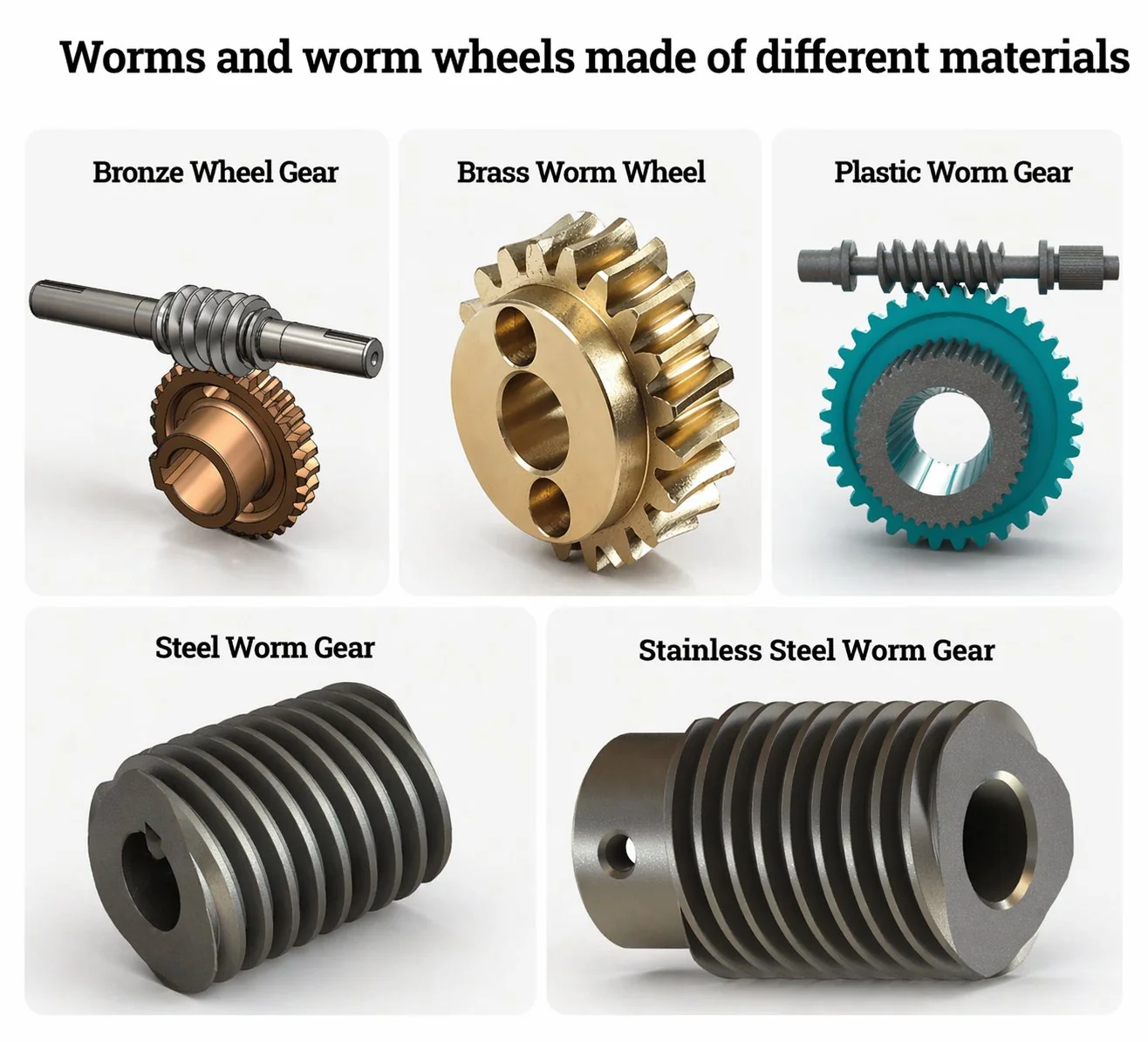
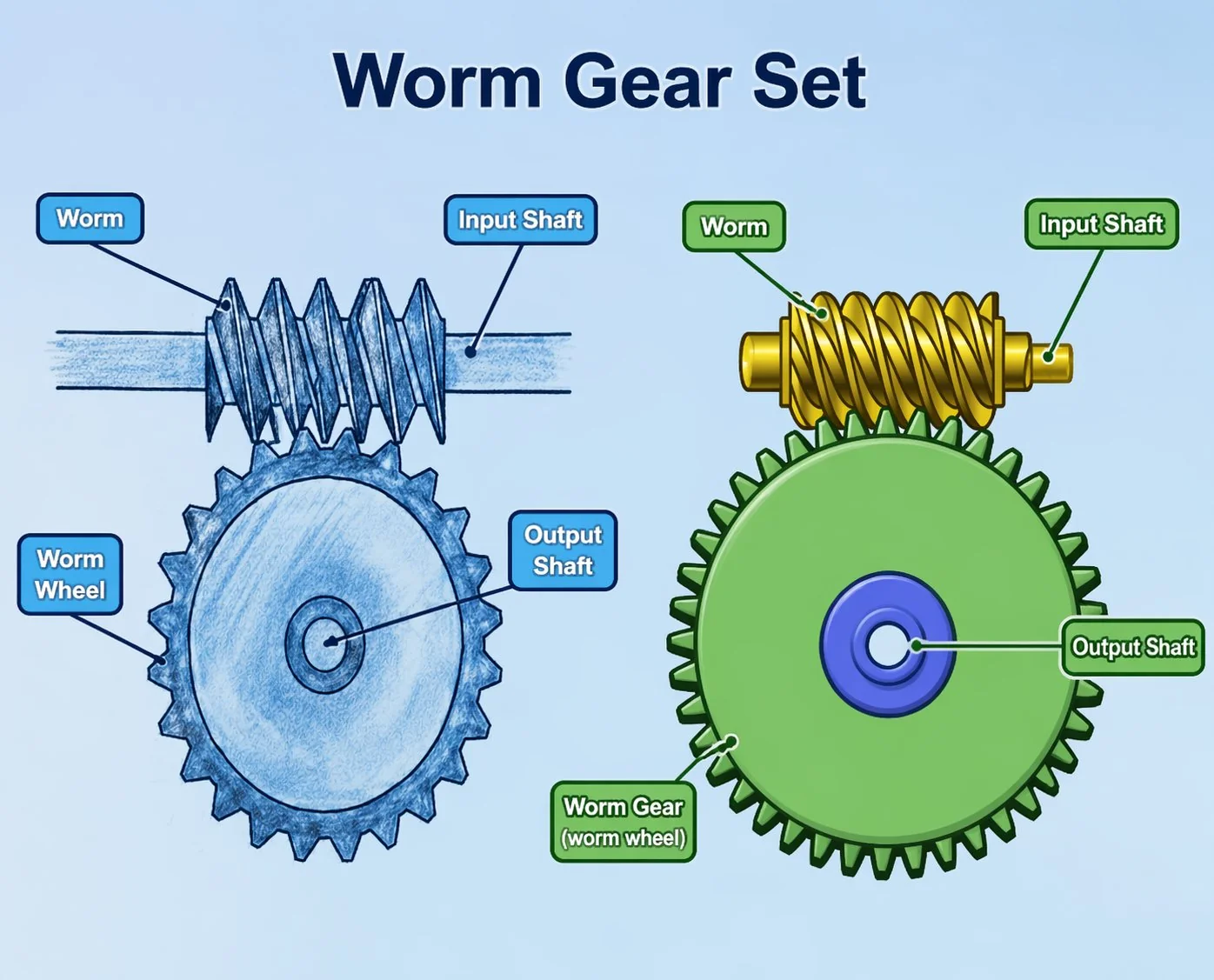
Машине за етикетирање и опрема за обмотавање фолијом користе парове пужних зупчаника за погон ваљака за довод етикета, бубњева апликатора, вратила за одмотавање фолије и ваљака за заптивање прецизно контролисаним брзинама синхронизованим са производном линијом. Критични параметар спецификације није обртни момент (оптерећења етикетирања су мала - обично 5 до 40 N·m) већ зазор, јер се зазор пара пужних зупчаника директно преводи у грешку регистрације етикете или филма. Анализа осетљивости контроле затезања квантификује овај однос: сваки лучни минут зазора производи грешку положаја мреже на тачки апликатора од 0,02 до 0,06 мм, у зависности од пречника ваљка. За типичан ваљак за довод од 80 мм, 10 лучних минута зазора производи померање етикете од 0,23 мм - трошећи скоро половину толеранције регистрације од плус или минус 0,5 мм. Дуплексни парови пужних зупчаника са зазором испод 2 лучна минута смањују допринос пара зупчаника на испод 0,05 мм - остављајући већину буџета толеранције за друге изворе грешака (истезање мреже, варијација сечења етикета, варијација положаја боце). Усклађивање брзине са производном линијом постиже се VFD контролом мотора пужног пара, при чему фиксни преносни однос пужног зупчаника обезбеђује механичко смањење брзине мотора на брзину ваљка.
Зашто машине за етикетирање и паковање користе пужне зупчанике
Машине за етикетирање и машине за омотавање фолијом деле заједнички захтев за погон: глатку ротацију ваљка или бубња са променљивом брзином који распоређује континуирану мрежу (траку са етикетама, скупљајућу фолију, растегљиву фолију) брзином која је прецизно усклађена са брзином производне линије. Пар пужних зупчаника обезбеђује смањење брзине са компактног мотора на брзину ваљка, глатку ротацију која спречава флуктуацију затегнутости мреже и самоблокирање које држи мрежу под контролисаном затегнутошћу када се линија заустави.
Три пара пужних зупчаника чине их пожељнијим за погоне са мрежастим зупчаницима у односу на алтернативе са цилиндричним, спиралним или зупчастим каишем.
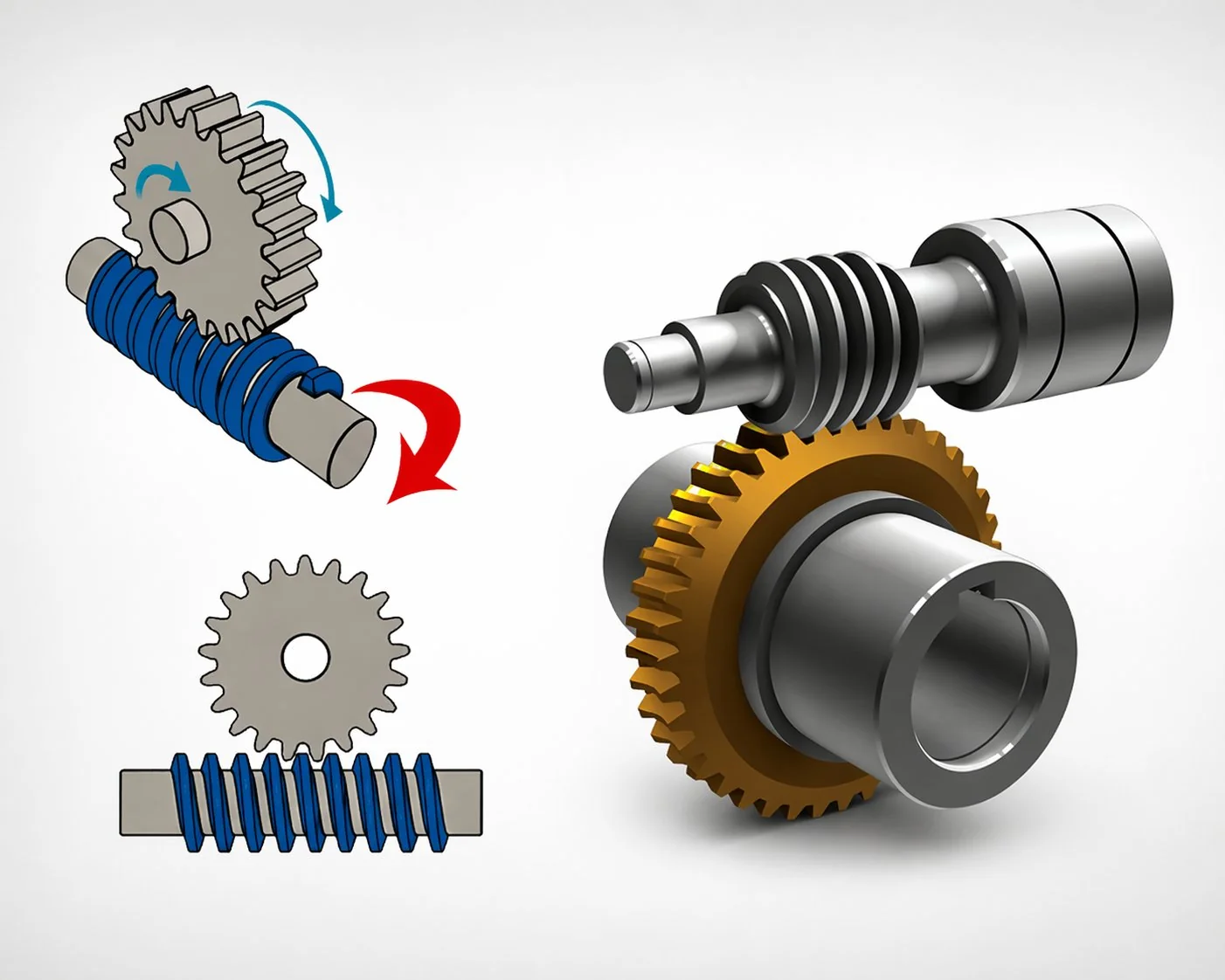
Клизни контакт пужа и пужног точка производи инхерентно глађу ротацију од котрљања код зупчаника са цилиндричним или спиралним зупчаницима — који генеришу вибрације фреквенције мреже које се преводе у таласање затезања мреже. Таласање затезања изнад 2 до 5 процената од врха до врха узрокује видљиво погрешно регистровање етикета.
Када се производна линија заустави, етикета и фолија морају остати под контролисаном затегнутошћу — ако се етикета олабави, следећи циклус покретања производи пролазну затегнутост која погрешно поравнава прве 3 до 5 етикета. Самоблокирајући парови пужних зупчаника држе положај ваљка за довод и одржавају затегнутост етикете током заустављања без посебне кочнице за затезање.
Оријентација мотора од 90 степени уклапа се у оквир машине за етикетирање, а да се не протеже изван њених габарита. VFD контрола брзине подешава брзину мотора тако да одговара брзини линије — однос пужног преносника остаје фиксиран, што поједностављује погон на једностепено механичко смањење са електронским подешавањем брзине.
Осетљивост контроле затезања — како зазор пужног зупчаника изазива погрешну регистрацију етикета
Механизам који повезује зазор пара пужних зупчаника са погрешном регистрацијом етикета је једноставан: када ваљак за довод промени смер учитавања (што се дешава при свакој промени брзине линије, сваком циклусу покретања и заустављања и свакој корекцији контроле затезања), ваљак се слободно окреће кроз лук зазора пре него што се зуби зупчаника поново закаче на супротној страни. Током ове слободне ротације, мрежа се распоређује без контроле затезања — што ствара неконтролисано напредовање или повлачење мреже етикета за растојање пропорционално углу зазора и пречнику ваљка.
Доња табела примењује ову формулу на уобичајене пречнике ваљака и вредности зазора, приказујући грешку положаја етикете по догађају преокрета оптерећења.
Табела показује да стандардни пар пужних зупчаника са зазором од 10 лучних минута и ваљком за увлачење од 80 мм троши 46 процената буџета толеранције регистрације етикета (0,23 мм од плус или минус 0,5 мм) само од пара зупчаника — остављајући само 0,27 мм за све остале изворе грешака заједно (истезање мреже, варијација сечења, положај боце, време апликатора). При 15 лучних минута са ваљком од 120 мм, пар зупчаника прелази цео буџет толеранције за 0,52 мм. За било коју апликацију етикетирања са плус или минус 0,5 мм или мањом толеранцијом регистрације, стандардни парови пужних зупчаника са зазором од 10+ лучних минута су гранични или нису у складу са прописима. Дуплекс парови са 2 лучна минута троше само 5 до 14 процената буџета — остављајући 86 до 95 процената за друге изворе.
Корејски бренд козметике примио је жалбе потрошача на неусклађеност етикета на бочици премиум серума — лого бренда је био видљиво померен на приближно 1 од 15 бочица, а малопродајни партнери су почели да одбијају пошиљке. Произвођач машина за етикетирање је спровео истрагу и открио да је пар пужних зупчаника који покреће ваљак за довод етикета (пречника 80 мм) имао зазор од 12 лучних минута — стандардно за спецификацију каталога добављача. Применом формуле осетљивости: e_web = (12 × 3,14159 × 80) / (360 × 60) = 0,28 мм по догађају обртања. Сензор регистрације етикета је исправио већину грешке у року од 2 до 3 бочице након сваке промене брзине, али током промена брзине линије (које су се дешавале 8 до 12 пута на сат како је узводни пуњач мењао брзину), прве 1 до 2 бочице након сваке промене имале су пуну грешку од 0,28 мм — видљиву као померање логотипа од 0,3 мм у односу на пројектовану толеранцију од плус или минус 0,3 мм. Решење: пар пужних зупчаника је замењен дуплекс спецификацијом са зазором од 1,5 лучних минута. Нова грешка по обртању: 0,035 мм — у границама толеранције, невидљиво за потрошача. Цена дуплекс пара: 145 УСД у односу на 62 УСД за стандардни пар. Цена одбијених пошиљки пре замене: приближно 22.000 УСД током 3 месеца. Поука: за премијум примене етикета са уском толеранцијом регистрације, зазор пара пужних зупчаника је параметар квалитета производа са директним комерцијалним последицама — не само механичка спецификација.
Усклађивање брзине са производном линијом и променом формата
Машина за етикетирање мора да се усклађује са брзином узводне производне линије — која варира како пунилица, машина за затварање или друга узводна станица подешава брзину током производње. Пар пужних зупчаника обезбеђује фиксни механички однос између мотора и ваљка; VFD подешава брзину мотора у реалном времену како би пратио сигнал брзине линије са PLC-а.
Промена формата (пребацивање између боца од 200 мл и 500 мл) мења величину етикете, а самим тим и брзину дозирања етикета. Однос пужног пара остаје фиксиран — VFD рецепт мења задату вредност брзине мотора. Ова архитектура VFD плус пужни пар омогућава промену без механичког подешавања, што се обично завршава за мање од 2 минута путем промене HMI рецепта.
Усклађивање брзине омотавања филмом. Машине за омотавање фолијом (истезање, скупљање и проточно омотавање) суочавају се са истим захтевом за усклађивање брзине, али са додатним ограничењем: затегнутост фолије мора остати константна без обзира на промене брзине. Ако пар пужних зупчаника унесе варијацију брзине (због зазора или вибрација мреже зупчаника), затегнутост фолије осцилује — што ствара наборану фолију, недоследан квалитет заптивања или ломљење фолије код брзих растегљивих омотача. Захтев за стабилношћу затезања при омотавању фолијом је обично плус или минус 3 процента од задате вредности — што се преводи у плус или минус 3 процента стабилности брзине на излазном вратилу пара пужних зупчаника. Брушени пуж при Ra 0,4 µm обезбеђује глађу ротацију од зупчастог пужа при Ra 1,6 µm, смањујући варијације брзине од побуђивања мреже за отприлике 40 до 60 процената.
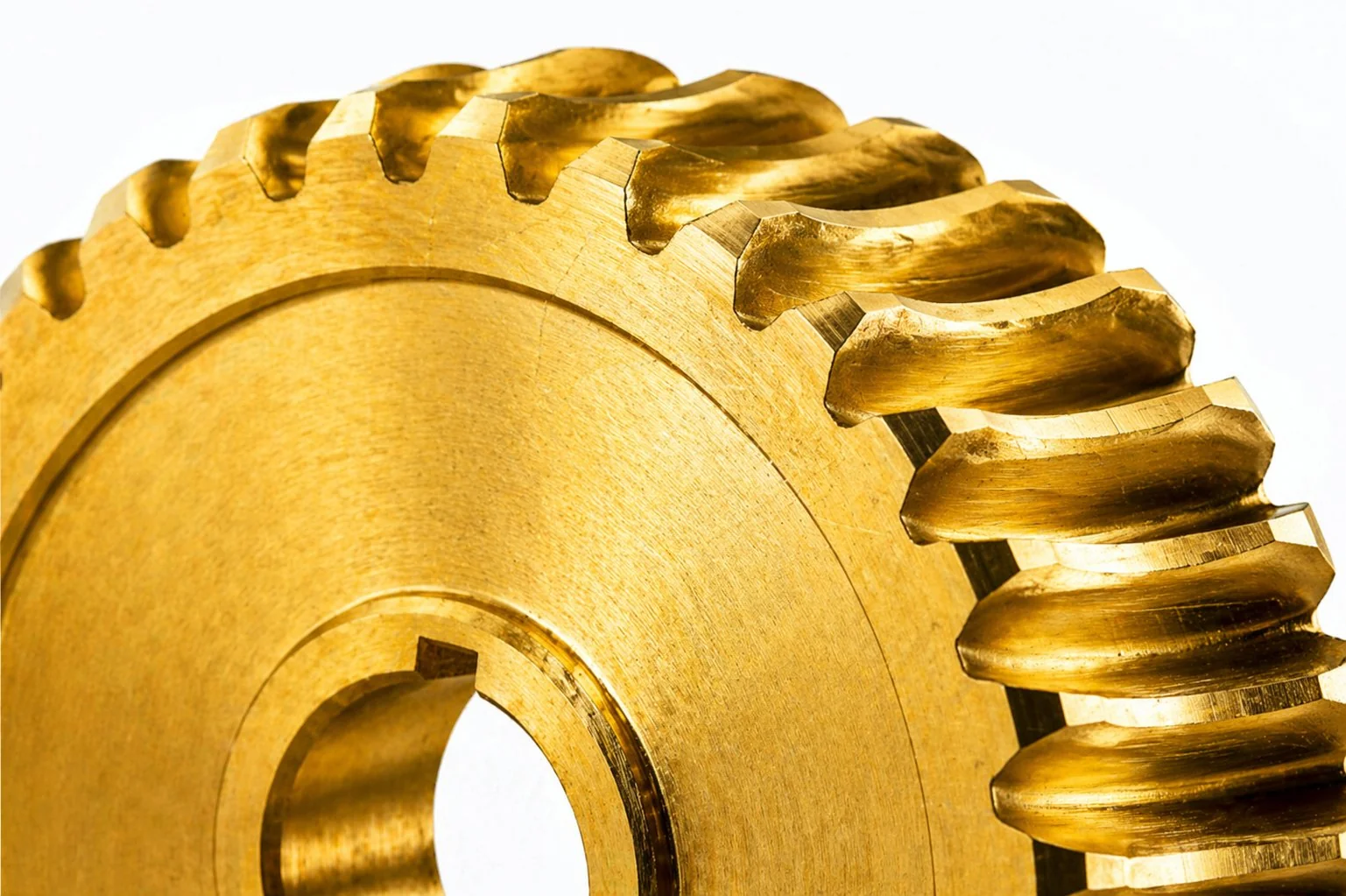
Кућишта три пара пужних зупчаника машине за етикетирање и паковање
Случај 1 — Корејска етикета за козметику: етикета са омотачем, толеранција ±0,3 мм, обавезно дуплексно штампање
Корејски произвођач козметике је специфицирао пужни зупчаник за погон за додавање етикета на машини за етикетирање са омотачем, капацитета 200 боца у минути. Етикета: 60 × 120 мм, осетљива на притисак, графички дизајн бренда у пуном колору. Толеранција регистрације: плус или минус 0,3 мм (чвршће од стандардне плус или минус 0,5 мм јер етикета са омотачем има и предњу и задњу графичку слику која мора да се поравна са шавом боце). Ваљак за додавање: пречник 80 мм. Захтев за зазор: испод 2 лучна минута (анализа осетљивости: 2 лучна минута × ваљак 80 мм = грешка 0,05 мм, што троши 17 процената од плус или минус 0,3 мм буџета). Пужни зупчаник: дуплекс једноходни, модул 1,5, међуосно растојање 35 мм, однос 15:1, брушени Ra 0,4 µм. Мотор: серво од 200 W са енкодером. Излазни обртни момент: 12 N·m (лагано — затегнутост етикете је типично 20 до 50 N, ширина траке 120 мм). Цена по дуплекс пару: 145 УСД. Тачност регистрације етикета након инсталације: плус или минус 0,15 мм — у границама толеранције од 0,3 мм, са маргином коју првенствено троше варијације сечења етикета (плус или минус 0,08 мм) и варијације положаја боце (плус или минус 0,05 мм). Нула жалби потрошача у 12 месеци производње.
Случај 2 — Јапански етикетирач фармацеутских бочица: регулаторни текст, ±0,5 мм, поред чисте собе
Јапанска фармацеутска компанија је специфицирала пар пужних зупчаника за машину за етикетирање бочица, наносећи регулаторне текстуалне етикете (назив лека, доза, број серије, датум истека) на бочице за ињекције од 10 мл брзином од 300 бочица у минути. Етикета је садржала критичне регулаторне информације — погрешна регистрација која је заклањала текст дозе могла би изазвати регулаторни налаз током инспекције. Толеранција регистрације: плус или минус 0,5 мм. Ваљак за довод: пречник 60 мм. Фармацеутско окружење је имало додате захтеве за чисте просторије: мазиво NSF H1, EPDM заптивач, фармацеутску документацију (сертификат материјала EN 10204 2.2). Пар пужних зупчаника: стандардни једноходни (недуплексни), модул 1, међуосно растојање 25 мм, однос 20:1, зазор 6 лучних минута, брушени Ra 0,4 µм. Осетљивост: 6 лучних минута × 60 мм = грешка 0,09 мм — трошећи 18 процената буџета од плус или минус 0,5 мм. Стандардни пар је био адекватан јер је толеранција од 0,5 мм обезбеђивала довољну маргину без дуплекса. Цена по пару: 95 УСД (уз фармацеутску документацију). Регистрација етикете мерена на плус или минус 0,18 мм — удобно унутар толеранције. Прегледајте пужни зупчаник за етикетирање опције за прецизно руковање мрежама и регистрацију етикета.
Случај 3 — Пуњач вијетнамског рибљег соса: термоскупљајућа фолија, ±1,5 мм, влажна средина
Вијетнамски произвођач рибљег соса специфицирао је пар пужних зупчаника за апликатор са термоскупљајућим рукавима на линији капацитета 150 боца у минути. Термоскупљајуће рукави имају ширу толеранцију регистрације од етикета осетљивих на притисак, јер процес термоскупљања подешава положај рукава око боце током скупљања. Толеранција регистрације: плус или минус 1,5 мм. Ваљак апликатора рукава: пречник 100 мм. Велика толеранција је омогућила стандардни пар пужних зупчаника са зазором од 12 лучних минута — осетљивост: 12 лучних минута × 100 мм = 0,35 мм, трошећи само 23 процента од плус или минус 1,5 мм буџета. Примарни изазов спецификације био је влажно окружење: прскање рибљег соса и свакодневно прање хлорисаном водом на 55 степени Целзијуса. Пар пужних зупчаника: једноходни, модул 1,5, међуосно растојање 30 мм, однос 15:1, пуж AISI 304 (рибљи сос је кисео, pH 4,5), точак од фосфорне бронзе, EPDM заптивач IP65, NSF H1 маст. Цена по пару: 78 УСД. Случај показује да спецификација зазора треба да буде пропорционална толеранцији регистрације — специфициранје дуплекс пара од 145 УСД за примену скупљајуће рукавице од плус или минус 1,5 мм троши 67 УСД по пару без икакве користи у квалитету.
Често постављана питања
П: Како да одредим захтев за зазор за моју апликацију за етикетирање?
Почните са толеранцијом регистрације етикете (из спецификације графичког дела бренда или регулаторног захтева). Доделите 15 до 25 процената те толеранције доприносу пара пужних зупчаника — резервишући преосталих 75 до 85 процената за друге изворе грешака (истезање мреже, варијација сечења, положај боце, време апликатора). Примените формулу осетљивости: B_max = (толеранција × 0,20 × 360 × 60) / (π × D_ваљак). На пример, са толеранцијом плус или минус 0,5 мм, алокацијом од 20 процената и ваљком од 80 мм: B_max = (0,10 × 21.600) / (251,3) = 8,6 лучних минута. Наведите пар пужних зупчаника са зазором испод 8 лучних минута — довољан је уски стандардни пар. Ако прорачун даје испод 3 лучна минута, наведите дуплекс.
П: Да ли се зазор повећава током времена и погоршава регистрацију етикете?
Да — бронзани точак се постепено троши, повећавајући зазор за отприлике 1 до 2 лучне минуте годишње при типичном режиму етикетирања (2.500 до 4.000 сати годишње). Дуплекс пар који почиње са 1,5 лучних минута може достићи 3 до 4 лучне минуте након 2 године — и даље унутар толеранције за већину примена. Стандардни пар који почиње са 8 лучних минута може достићи 12 лучних минута након 2 године — потенцијално прекорачујући буџет толеранције. Годишње мерење зазора прати напредак; планирајте замену пужног точка када зазор достигне израчунати B_max из формуле осетљивости. Код дуплекс парова, поновно подметање може вратити скоро нулти зазор без замене точка — продужавајући интервал између замена точка за 2 до 3 године.
П: Да ли је серво мотор неопходан за обележавање погона са пужним зупчаницима?
Серво мотори са повратном информацијом енкодера су стандардни за високопрецизно етикетирање (плус или минус 0,3 мм и ближе) јер енкодер обезбеђује контролу положаја у затвореној петљи која компензује зазор кроз софтверску корекцију на сваком циклусу етикетирања. За стандардно етикетирање (плус или минус 0,5 до плус или минус 1,0 мм), индукциони мотор контролисан VFD-ом са пужним зупчаником пружа адекватне перформансе уз ниже трошкове. За примене са скупљајућим рукавима и растегљивим омотачем (плус или минус 1,5 мм и шире), довољан је основни VFD са повратном информацијом брзине. Ускладите софистицираност управљања мотором са толеранцијом регистрације — прекомерно специфициране серво погоне на апликацијама са опуштеном толеранцијом додаје трошкове без користи од квалитета.
П: Да ли се пужни зупчаник може користити и за довод етикета и за транспортер боца на истој машини?
Да — и многе машине за етикетирање користе парове пужних зупчаника за оба погона. Међутим, спецификације се разликују: погон за довод етикета захтева мали зазор (испод 8 лучних минута за стандардне, испод 2 лучна минута за премиум) јер зазор директно утиче на регистрацију. Погону транспортера за боце потребан је адекватан обртни момент за транспорт боца, али опуштен зазор (прихватљив 15 до 20 лучних минута) јер положај боце подешава звездасти или пужни додавач, а не зазор транспортера. Одређивање дуплекс парова за оба погона троши новац на погон транспортера. Одређивање дуплекса за довод етикета и стандардног за транспортер за боце — ова мешовита спецификација је стандардни приступ за исплатив дизајн машина за етикетирање.
П: Који је типичан век трајања пужног зупчаника машине за етикетирање?
Машине за етикетирање раде 2.500 до 4.000 сати годишње при ниском обртном моменту (5 до 40 N·m). Век трајања бронзаног точка је обично 4 до 7 година пре него што раст зазора пређе толеранцију регистрације. Челични пуж траје 10+ година. Код дуплекс парова, поновно подметање сваке 2 до 3 године продужава ефективни век трајања одржавањем готово нултог зазора између замена точкова. Фактор који ограничава век трајања је скоро увек раст зазора који утиче на квалитет етикете, а не механички квар зуба — мали обртни момент производи минималан замор контакта. Годишње мерење зазора је примарни алат за одржавање парова пужних зупчаника са етикетирањем.
Машине за етикетирање и опрема за обмотавање фолијом користе парове пужних зупчаника за глатко руковање траком са променљивом брзином, са контролом затегнутости и задржавањем положаја на заустављањима линије. Анализа осетљивости контроле затегнутости — e_web = (B × π × D) / 21.600 — квантификује директну везу између зазора пара пужних зупчаника и грешке регистрације етикете, омогућавајући спецификацију исправне класе зазора из буџета толеранције регистрације. За премиум етикетирање са толеранцијом од плус или минус 0,3 мм, дуплекс парови испод 2 лучна минута нису предмет преговора. За стандардно етикетирање са плус или минус 0,5 мм, адекватни су уски стандардни парови са 5 до 8 лучних минута. За термоскупљајуће рукаве и стреч фолију са плус или минус 1,5 мм, стандардни парови са 10 до 15 лучних минута штеде трошкове без утицаја на квалитет. Спецификација зазора треба да буде пропорционална толеранцији регистрације — претерано специфициране троше новац, недовољно специфициране отпадни производ.
За произвођаче машина за етикетирање и паковање, наш инжењерски одељак врши анализу осетљивости на зазор у односу на вашу толеранцију регистрације. Стандардни каталог прецизни пужни зупчаници испоручује се у стандардним и дуплекс конфигурацијама од међуосно растојања од 25 до 50 мм са контролисаним зазором. Пошаљите документацију спецификација обележавања диска са пречником ваљка, толеранцијом регистрације и опсегом брзине линије.
Одређивање парова пужних зупчаника за машине за етикетирање или паковање?
Пошаљите тип етикете (осетљива на притисак, скупљајућа, растегљива), толеранцију регистрације, пречник ваљка, брзину линије и да ли окружење захтева документацију прехрамбене или фармацеутске индустрије. Извршићемо анализу осетљивости и препоручити исправну класу зазора.
Уредник: Cxm