Korea Ever-Power · คู่มือวิศวกรรมการใช้งาน
เฟืองตัวหนอนและเฟืองล้อหนอนสำหรับระบบเปิด-ปิดประตูอัตโนมัติ — คู่มือสำหรับใช้งานกลางแจ้ง
มอเตอร์เปิดปิดประตูเลื่อนติดตั้งอยู่กลางแจ้ง ต้องเผชิญกับฝน แสงแดด น้ำค้างแข็ง อากาศที่มีเกลือ และฝุ่นละออง เป็นเวลา 10 ถึง 15 ปี มันเปิดและปิดวันละ 10 ถึง 200 ครั้ง หยุดเมื่อเจอสิ่งกีดขวางเพื่อความปลอดภัย และยึดประตูเหล็กหนัก 1,200 กิโลกรัมให้อยู่ในตำแหน่งปิดต้านลมกระโชกแรงตลอดทั้งคืน ภาระทั้งหมดนี้ตกอยู่กับชุดเฟืองตัวหนอนภายในตัวเรือนมอเตอร์
ระบบเปิด-ปิดประตูอัตโนมัติใช้เฟืองตัวหนอนเป็นคู่ๆ ด้วยเหตุผลสามประการ ได้แก่ การล็อกตัวเองช่วยยึดตำแหน่งประตูไว้เมื่อมอเตอร์หยุดทำงาน (ไม่ต้องใช้กลไกการล็อกแยกต่างหาก) การจัดวางมอเตอร์กับเอาต์พุตที่มุม 90 องศาทำให้พอดีกับตัวเรือนเสาประตูขนาดกะทัดรัด และอัตราส่วนสูงในขั้นตอนเดียวช่วยขับเคลื่อนประตูหนักๆ ด้วยความเร็วต่ำจากมอเตอร์ขนาดเล็ก ความท้าทายหลักในการออกแบบคือการสัมผัสกับสภาพแวดล้อมภายนอก เช่น การเปลี่ยนแปลงอุณหภูมิจากลบ 20 ถึงบวก 55 องศาเซลเซียส การซึมของฝน การเสื่อมสภาพของซีลจากรังสียูวี และการกัดกร่อนจากอากาศที่มีเกลือหรือบรรยากาศอุตสาหกรรม ตารางการสัมผัสกับสภาพแวดล้อมภายนอกแบ่งการติดตั้งประตูออกเป็น 4 ประเภท และกำหนดระดับการป้องกัน IP การบำบัดการกัดกร่อน ประเภทซีล และข้อกำหนดของจาระบีสำหรับแต่ละประเภท ระบบเปิด-ปิดประตูอัตโนมัติสำหรับใช้ในที่อยู่อาศัย (10 ถึง 20 รอบต่อวัน) มีอายุการใช้งานประมาณ 10 ปี โดยมีจำนวนรอบการใช้งานทั้งหมดประมาณ 50,000 ถึง 75,000 รอบ ผู้ใช้งานในภาคอุตสาหกรรม (100 ถึง 200 รอบต่อวัน) ตั้งเป้าหมายอายุการใช้งาน 5 ปี ที่จำนวนรอบการใช้งานรวม 150,000 ถึง 350,000 รอบ มาตรฐาน EN 12453 (ความปลอดภัยของประตูที่ใช้พลังงานไฟฟ้า) กำหนดให้มีการจำกัดแรงบิดขณะหยุดนิ่งเพื่อป้องกันการบาดเจ็บจากการติดขัด — ชุดเฟืองตัวหนอนต้องทนต่อเหตุการณ์หยุดนิ่งซ้ำๆ โดยไม่เกิดความเสียหายกับฟันเฟือง
เหตุใดตัวควบคุมประตูจึงใช้เฟืองตัวหนอนคู่
ระบบเปิดปิดประตูอัตโนมัติ ไม่ว่าจะเป็นแบบเลื่อน แบบสวิง หรือแบบม้วน ล้วนมีหลักการทางกลไกพื้นฐานที่เหมือนกัน คือ มอเตอร์จะขับเคลื่อนประตูไปยังตำแหน่งที่ต้องการ จากนั้นมอเตอร์จะหยุดทำงาน และประตูจะต้องคงอยู่ในตำแหน่งนั้น แรงลม แรงโน้มถ่วงบนรางเอียง และการพยายามบุกรุก ล้วนเป็นปัจจัยที่ผลักดันประตูขณะที่มอเตอร์หยุดทำงาน ชุดเฟืองตัวหนอนจะยึดประตูไว้ในตำแหน่งนั้นด้วยกลไกการล็อกตัวเองทางเรขาคณิต โดยไม่ต้องใช้กลไกการล็อก สลัก หรือเบรกเพิ่มเติมใดๆ
ชุดเฟืองตัวหนอนแบบล็อคตัวเองจะยึดประตูไว้ในตำแหน่งใดก็ได้ ไม่ว่าจะเป็นเปิดเต็มที่ ปิดสนิท หรือเปิดบางส่วน ไม่จำเป็นต้องใช้สลัก ไม่ต้องใช้ระบบล็อคแม่เหล็กไฟฟ้า หรือสปริง ช่วยให้กลไกการทำงานง่ายขึ้น โดยเหลือเพียงมอเตอร์ ชุดเฟืองตัวหนอน และเฟืองขับหรือแขนส่งกำลัง
มอเตอร์จะติดตั้งตั้งฉากกับรางประตูภายในตัวเรือนเสาหรือฐานรอง ตัวเรือนสำหรับประตูอัตโนมัติในบ้านพักอาศัยทั่วไปจะมีขนาด 250 × 180 × 380 มม. ระบบเฟืองตัวหนอนแบบ 90 องศาจะพอดีกับขนาดนี้ หากใช้ระบบเฟืองดาวเคราะห์แบบอินไลน์ จะทำให้ความลึกของตัวเรือนเกินความกว้างของเสา
ประตูเลื่อนหนัก 1,500 กิโลกรัม ต้องการแรงบิดในการขับเคลื่อนประมาณ 150 ถึง 250 นิวตันเมตร ที่เฟืองตัวหนอน ชุดเฟืองตัวหนอนอัตราส่วน 30:1 สามารถให้แรงบิดนี้ได้โดยใช้มอเตอร์ขนาด 250 วัตต์ ซึ่งให้แรงบิด 8 นิวตันเมตร มอเตอร์ขนาดนี้สามารถใช้กับไฟบ้านแบบเฟสเดียว 220 โวลต์ได้
ตารางแสดงการรับผลกระทบจากสภาพแวดล้อมภายนอกอาคาร — ตั้งแต่สถานที่ติดตั้งจนถึงข้อกำหนดของวัสดุ
ตัวแปรสำคัญที่สุดที่ใช้ในการกำหนดคุณสมบัติของชุดเฟืองตัวหนอนสำหรับประตูอัตโนมัติคือสภาพแวดล้อมภายนอก ประตูบ้านในเมืองที่มีอากาศอบอุ่นจะเผชิญกับสภาพแวดล้อมที่ไม่รุนแรงนัก ในขณะที่ประตูโรงงานอุตสาหกรรมเคมีริมชายฝั่งจะเผชิญกับสภาพแวดล้อมที่รุนแรง ความแตกต่างระหว่างสองสภาวะนี้ส่งผลให้ต้นทุนของวัสดุและข้อกำหนดการซีลของชุดเฟืองตัวหนอนแตกต่างกันถึง 3-5 เท่า
ตารางแสดงรายละเอียดการใช้งานด้านล่างนี้ แบ่งการติดตั้งออกเป็นสี่ประเภท และกำหนดความสัมพันธ์ระหว่างแต่ละประเภทกับข้อกำหนดด้านการป้องกันน้ำและฝุ่น (IP), การกัดกร่อน, อุณหภูมิ และจาระบี สำหรับชุดเฟืองตัวหนอน
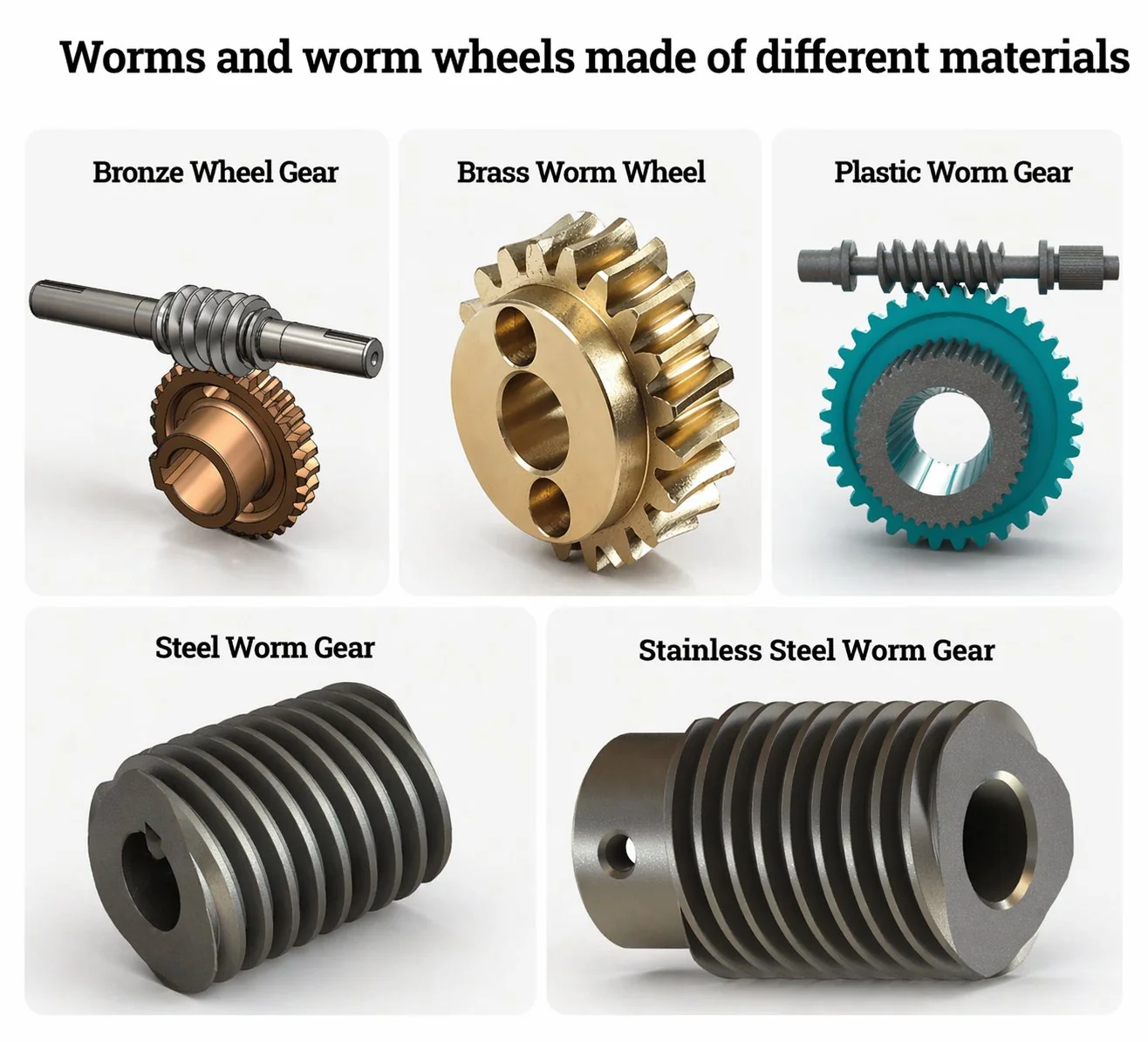
การพัฒนาจาก E1 ไปเป็น E4 ทำให้ต้นทุนของชุดเฟืองตัวหนอนเพิ่มขึ้นประมาณสามเท่า ชุดเฟืองตัวหนอนสำหรับที่อยู่อาศัยระดับ E1 ราคา 35 ดอลลาร์สหรัฐฯ จะกลายเป็นชุดเฟืองตัวหนอนสำหรับอุตสาหกรรมระดับ E4 ราคา 95 ถึง 120 ดอลลาร์สหรัฐฯ ความแตกต่างของต้นทุนเกิดจากกรรมวิธีในการเคลือบผิวเฟืองตัวหนอน (ออกไซด์สีดำราคา 2 ดอลลาร์สหรัฐฯ เทียบกับสแตนเลส 316L ราคา 40 ดอลลาร์สหรัฐฯ ขึ้นไป) และข้อกำหนดของซีล (ขอบยางมาตรฐานราคา 3 ดอลลาร์สหรัฐฯ เทียบกับ PTFE พร้อมร่องเขาวงกตราคา 12 ดอลลาร์สหรัฐฯ) เครื่องเปิดปิดประตูที่ติดตั้งในพื้นที่ E3 หรือ E4 โดยใช้ชุดเฟืองตัวหนอนระดับ E1 จะเกิดการกัดกร่อนเป็นหลุมภายใน 12 ถึง 24 เดือน ซึ่งเป็นสาเหตุการชำรุดก่อนกำหนดที่พบได้บ่อยที่สุดในการติดตั้งประตูในพื้นที่ชายฝั่งและโรงงานอุตสาหกรรม
การทำนายอายุการใช้งานของวงจรสำหรับการทำงานแบบไม่ต่อเนื่องของประตู
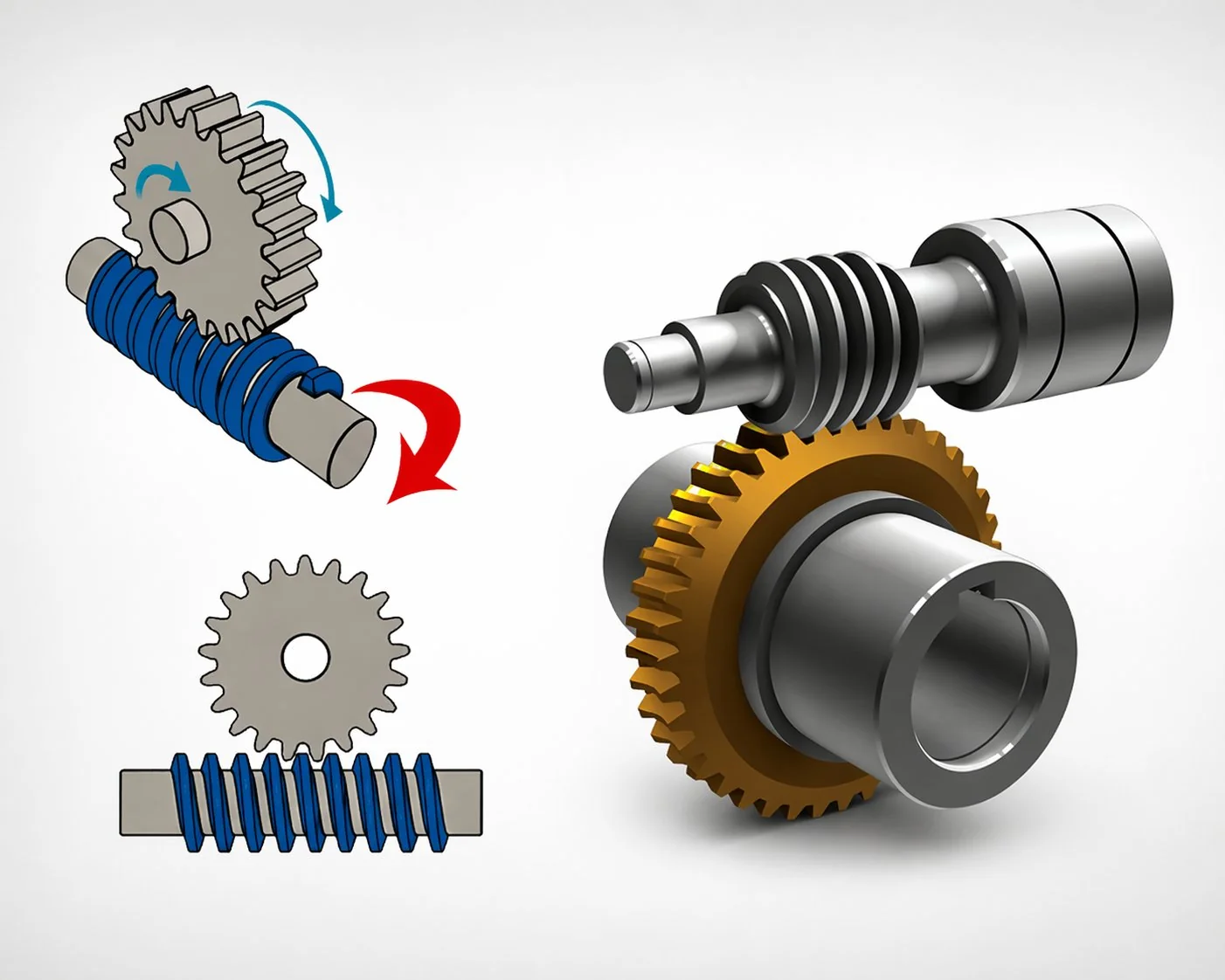
มอเตอร์ควบคุมประตูทำงานแบบไม่ต่อเนื่อง กล่าวคือ มอเตอร์จะทำงาน 15 ถึง 45 วินาทีต่อรอบ (เวลาในการผ่านประตู) จากนั้นจะหยุดพักเป็นเวลาหลายนาทีถึงหลายชั่วโมง ซึ่งแตกต่างอย่างสิ้นเชิงจากการทำงานต่อเนื่องของบันไดเลื่อนหรือการทำงานแบบรอบสูงของสายการคัดแยกสินค้า อายุการใช้งานของชุดเฟืองตัวหนอนวัดจากจำนวนรอบทั้งหมด ไม่ใช่ชั่วโมงการทำงาน
ประตูทางเข้าบ้านพักอาศัย (10-20 รอบ/วัน) อายุการใช้งานเป้าหมาย 10 ปี = 36,500 ถึง 73,000 รอบการทำงานทั้งหมด โดยแต่ละรอบใช้เวลา 30 วินาที เวลาใช้งานรวมตลอด 10 ปี: 300 ถึง 600 ชั่วโมง นี่เป็นเวลาใช้งานที่ต่ำมาก ชุดเฟืองตัวหนอนจะไม่สึกหรอจากการใช้งานเพียงอย่างเดียว ปัจจัยที่จำกัดอายุการใช้งานคือการเสื่อมสภาพจากสภาพแวดล้อม: จาระบีแห้งจากการเปลี่ยนแปลงอุณหภูมิ ซีลเสื่อมสภาพจากการสัมผัสกับรังสียูวี และการกัดกร่อนจากความชื้นในอากาศ ชุดเฟืองตัวหนอนที่ปิดผนึกและหล่อลื่นอย่างเหมาะสมในเครื่องเปิดปิดประตูรั้วบ้านพักอาศัยจะมีอายุการใช้งานยาวนานกว่ามอเตอร์ แผงควบคุม และรางประตูรั้วอย่างมาก
ประตูอุตสาหกรรม (100-200 รอบ/วัน) อายุการใช้งานเป้าหมาย 5 ปี = 182,500 ถึง 365,000 รอบการทำงานทั้งหมด ที่ 30 วินาทีต่อรอบ เวลาใช้งานทั้งหมด: 1,500 ถึง 3,000 ชั่วโมง ถึงแม้จะยังถือว่าไม่มากนักเมื่อเทียบกับเฟืองตัวหนอนทั่วไป แต่แรงบิดที่กระชากขึ้นลงอย่างรวดเร็วในแต่ละรอบจะเริ่มสะสมความล้าที่วัดได้ เฟืองตัวหนอนต้องมีค่า SF อย่างน้อย 1.5 สำหรับตัวคูณแรงบิดเริ่มต้น (โดยทั่วไปคือ 1.8 ถึง 2.2 เท่าของแรงบิดขณะทำงานสำหรับประตูเลื่อนขนาดใหญ่ที่ต้องเอาชนะแรงเสียดทานสถิตบนราง) ที่ 200 รอบต่อวัน จาระบียังต้องรับแรงเฉือนที่สูงขึ้นด้วย — ควรเลือกใช้จาระบีลิเธียมคอมเพล็กซ์สังเคราะห์แทนจาระบีลิเธียมมาตรฐานเพื่ออายุการใช้งานที่ยาวนานขึ้นภายใต้การเปลี่ยนแปลงอุณหภูมิและแรงทางกล
นิคมอุตสาหกรรมแห่งหนึ่งในเกาหลีติดตั้งระบบเปิด-ปิดประตูเลื่อนอัตโนมัติ 14 ชุด บนรั้วรอบพื้นที่ โดยมีข้อกำหนดเป็นคลาส E2 (พื้นที่เปิดโล่งในแผ่นดิน – เหมาะสมกับที่ตั้งซึ่งอยู่ห่างจากชายฝั่ง 80 กิโลเมตร) น้ำหนักประตูแต่ละบาน: 1,200 กิโลกรัม มอเตอร์: 550 วัตต์ เฟสเดียว ชุดเฟืองตัวหนอน: สตาร์ทเดี่ยว โมดูล 2.5 ระยะห่างศูนย์กลาง 50 มิลลิเมตร อัตราส่วน 30:1 เฟืองตัวหนอนชุบสังกะสี ล้อบรอนซ์ฟอสฟอรัส ตัวเรือนปิดผนึก IP55 อัตราการทำงาน: 60 ถึง 80 รอบต่อวัน (การเข้าออกของรถยนต์พนักงานใน 3 กะ) ระบบทำงานได้ดีเป็นเวลา 3 ปี ในปีที่ 4 มีการสร้างโรงเก็บสารเคมีแห่งใหม่ห่างจากแนวประตูไปทางทิศเหนือลม 200 เมตร โรงเก็บนี้จัดการกรดไฮโดรคลอริก และมีร่องรอยของกรดไฮโดรคลอริกในบรรยากาศที่ 0.3 ถึง 0.8 ppm ไปถึงระบบเปิด-ปิดประตูในขณะที่มีลมพัดแรง ภายใน 8 เดือน เครื่องจักร 6 ใน 14 เครื่องแสดงให้เห็นว่ากระแสไฟฟ้าของมอเตอร์เพิ่มขึ้น – เฟืองตัวหนอนเกิดการกัดกร่อนจากกรดเป็นหลุมบนเกลียวเฟืองตัวหนอน ทำให้เกิดแรงเสียดทานและการคลายตัวเพิ่มขึ้น การชุบสังกะสี (ออกแบบมาสำหรับการกัดกร่อนในบรรยากาศระดับ C3 ไม่ใช่การสัมผัสสารเคมี) ละลายไปในบรรยากาศที่เป็นกรด ข้อกำหนดสำหรับการเปลี่ยนชิ้นส่วนสำหรับ 6 เครื่องที่ได้รับผลกระทบคือ: ระดับ E4 – เฟืองตัวหนอนสแตนเลส 316L, ซีลกันรั่ว PTFE, จาระบีสังเคราะห์ ต้นทุนต่อคู่เพิ่มขึ้นจาก 45 ดอลลาร์สหรัฐเป็น 110 ดอลลาร์สหรัฐ – แต่ทางเลือกอื่นคือการเปลี่ยนคู่ทุกๆ 8 ถึง 12 เดือนตามข้อกำหนด E2 บทเรียน: ต้องประเมินระดับการสัมผัสใหม่ทุกครั้งที่สภาพแวดล้อมโดยรอบเปลี่ยนแปลง สถานที่ระดับ E2 สามารถกลายเป็นสถานที่ระดับ E4 ได้ในชั่วข้ามคืนหากมีการดำเนินงานทางเคมีเข้ามาอยู่ใกล้เคียง
พฤติกรรมของจาระบีขณะสตาร์ทเครื่องเย็นและการปฏิบัติตามข้อกำหนดแรงบิดขณะหยุดนิ่งตามมาตรฐาน EN 12453
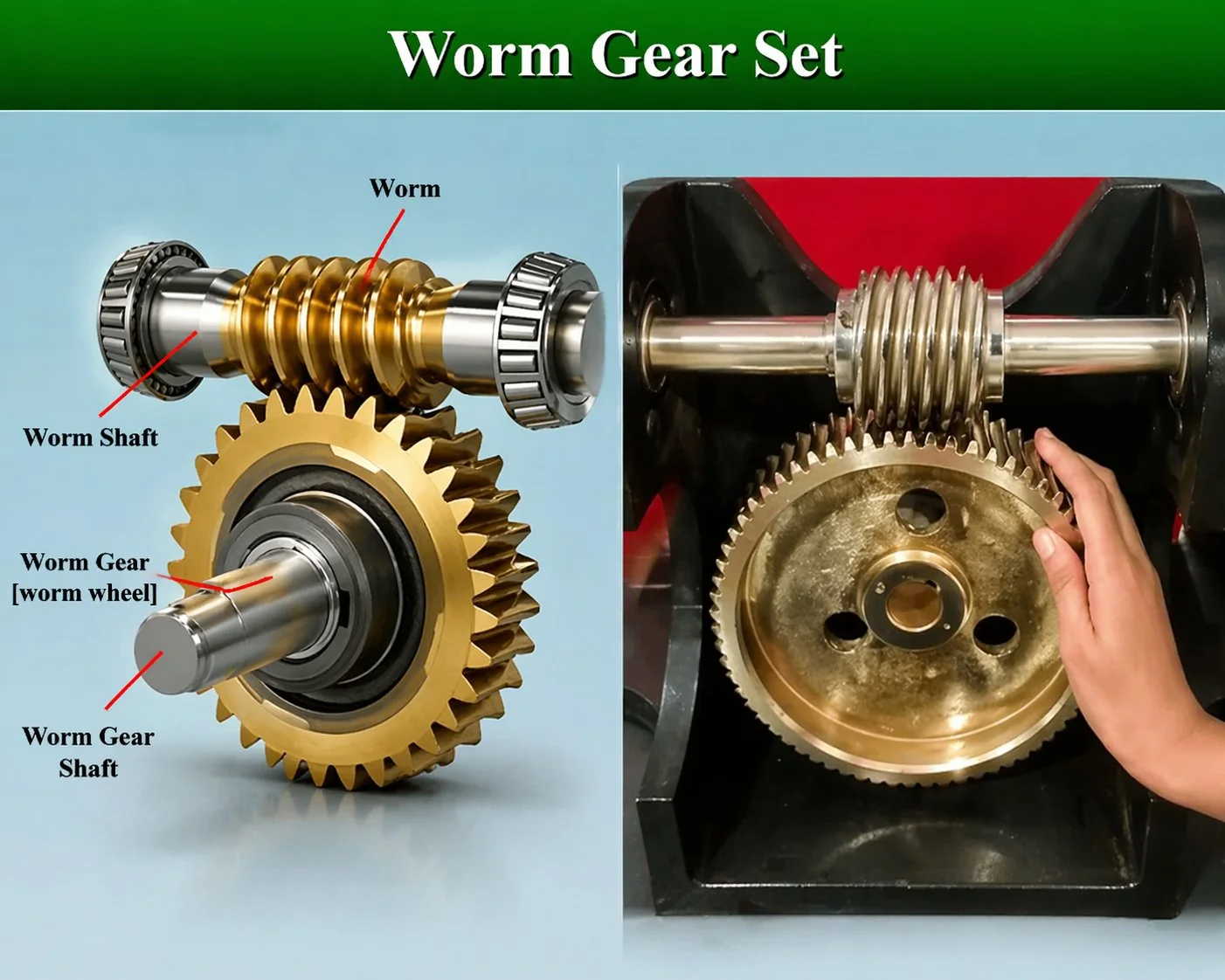
แรงบิดพุ่งสูงขึ้นขณะสตาร์ทเครื่องยนต์ในสภาพอากาศเย็น จาระบีลิเธียมมาตรฐาน (NLGI 2) จะมีความหนืดเพิ่มขึ้นอย่างมากเมื่ออุณหภูมิต่ำกว่า 0 องศาเซลเซียส ที่อุณหภูมิ -15 องศาเซลเซียส (ซึ่งเป็นอุณหภูมิทั่วไปในตอนเช้าของฤดูหนาวในเกาหลี) ความหนืดที่ปรากฏของจาระบีลิเธียมที่มีส่วนผสมของแร่ธาตุจะเพิ่มขึ้นถึง 5-8 เท่า เมื่อเทียบกับที่อุณหภูมิ 20 องศาเซลเซียส จาระบีที่เย็นจัดจะต้านทานการหมุนของเฟืองตัวหนอน และมอเตอร์จะต้องเอาชนะทั้งแรงเสียดทานของรางและแรงต้านของจาระบีในขณะสตาร์ท หากมอเตอร์หยุดทำงานเนื่องจากจาระบีเย็นจัด ประตูจะไม่เปิด ซึ่งเป็นความล้มเหลวทางด้านความน่าเชื่อถือแม้ว่าจะไม่มีชิ้นส่วนใดเสียหายก็ตาม วิธีแก้ปัญหาคือการระบุให้ใช้จาระบีสังเคราะห์ (ชนิด PAG หรือ PAO) สำหรับการติดตั้งใดๆ ที่อุณหภูมิในฤดูหนาวต่ำกว่า -10 องศาเซลเซียส จาระบีสังเคราะห์ยังคงรักษาความสามารถในการสูบฉีดได้ที่อุณหภูมิ -30 องศาเซลเซียสหรือต่ำกว่านั้น ทำให้มั่นใจได้ถึงความน่าเชื่อถือในการสตาร์ทในสภาพอากาศเย็น
การปฏิบัติตามข้อกำหนดแรงบิดขณะหยุดนิ่ง EN 12453 มาตรฐาน EN 12453 (ความปลอดภัยของประตูอัตโนมัติ) กำหนดให้ผู้ผลิตประตูต้องจำกัดแรงปิดเพื่อป้องกันการบาดเจ็บจากการติดขัด โดยทั่วไปแรงปิดสูงสุดไม่เกิน 400 นิวตันที่ขอบด้านหน้าสำหรับประตูบ้านพักอาศัย เมื่อประตูชนกับสิ่งกีดขวาง (คน ยานพาหนะ หรือวัตถุ) มอเตอร์จะหยุดทำงาน และชุดเฟืองตัวหนอนจะส่งแรงบิดที่เกิดจากการหยุดทำงานเต็มที่ แรงบิดที่เกิดจากการหยุดทำงานโดยทั่วไปจะมากกว่าแรงบิดขณะทำงาน 2.5 ถึง 3.5 เท่า ชุดเฟืองตัวหนอนต้องทนต่อการหยุดทำงานซ้ำๆ (มากถึง 5 ครั้งต่อวันเป็นเรื่องปกติในประตูอุตสาหกรรมที่มีการใช้งานหนัก ซึ่งยานพาหนะจะไปกระตุ้นเซ็นเซอร์ความปลอดภัย) โดยไม่เกิดความเสียหายที่ผิวฟัน ข้อกำหนดด้านความทนทานต่อการหยุดทำงานนี้กำหนดพื้นที่สัมผัสฟันขั้นต่ำและความแข็งของวัสดุ ชุดเฟืองต้องได้รับการจัดอันดับสำหรับแรงบิดที่เกิดจากการหยุดทำงาน ไม่ใช่แค่แรงบิดขณะทำงาน คูณด้วยปัจจัยการใช้งานซ้ำของการหยุดทำงานที่ 1.3 ถึง 1.5
กรณีศึกษาข้อกำหนดของชุดเฟืองตัวหนอนสำหรับตัวเปิดปิดประตูสามบาน
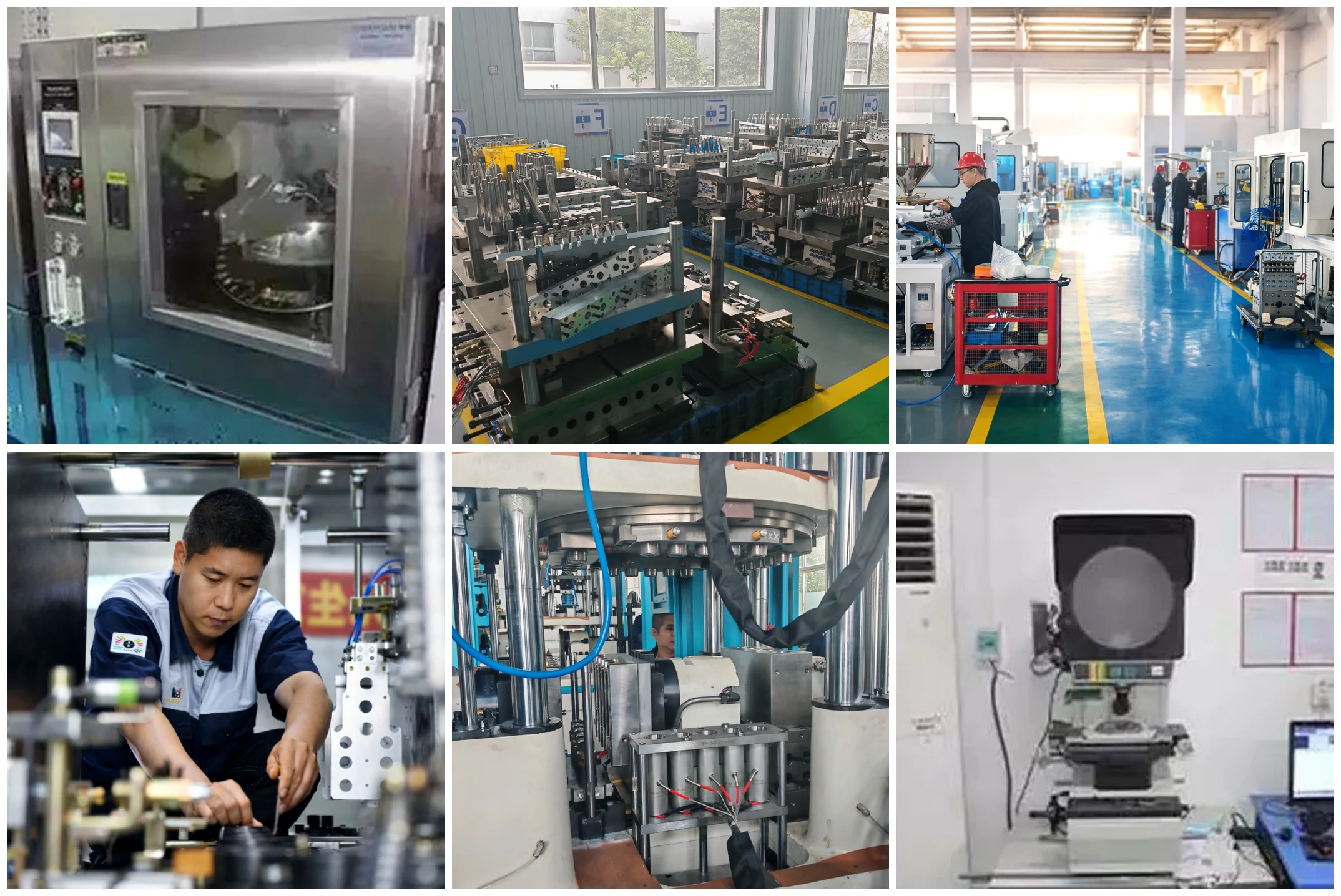
กรณีที่ 1 — นิคมอุตสาหกรรมเกาหลี: ประตูเลื่อนหนัก 1,200 กก. เกรด E2 จำนวนรอบการใช้งาน 80 รอบต่อวัน
บริษัทจัดการนิคมอุตสาหกรรมแห่งหนึ่งในเกาหลีใต้ระบุชุดเฟืองตัวหนอนสำหรับประตูเลื่อนรอบพื้นที่ 14 บาน โดยแต่ละบานหนัก 1,200 กิโลกรัม ความยาวราง: 6 เมตร ความเร็วในการเคลื่อนที่: 0.15 เมตร/วินาที (เปิด-ปิด 40 วินาที) มอเตอร์: 550 วัตต์ เฟสเดียว 220 โวลต์ เส้นผ่านศูนย์กลางเฟืองตัวหนอน: 60 มิลลิเมตร แรงบิดเอาต์พุตที่ต้องการที่เฟืองตัวหนอน: 180 นิวตันเมตร (รวมแรงเสียดทานของราง แรงลม และน้ำหนักประตูบนรางเอียง) ชุดเฟืองตัวหนอน: แบบสตาร์ทเดี่ยว โมดูล 2.5 ระยะห่างศูนย์กลาง 50 มิลลิเมตร อัตราส่วน 30:1 มุมนำ 3.8 องศา ประสิทธิภาพการทำงาน: 52 เปอร์เซ็นต์ แรงบิดขณะมอเตอร์หยุดหมุน: 3.0 เท่าของแรงบิดขณะทำงาน = 540 นิวตันเมตร — ภายในแรงบิดที่กำหนดของชุดเฟือง 620 นิวตันเมตร วัสดุ: เฟืองตัวหนอนชุบสังกะสีชุบแข็ง ล้อทำจากทองสัมฤทธิ์ฟอสฟอรัส ซีล: สองชั้น IP55 จาระบี: ลิเธียมคอมเพล็กซ์สังเคราะห์ (อุณหภูมิต่ำสุดในฤดูหนาวของเกาหลีที่สถานที่นี้คือ -18 องศาเซลเซียส) ราคาต่อคู่: 45 ดอลลาร์สหรัฐ อายุการใช้งานที่คาดหวัง: 5 ปี ที่ 80 รอบ/วัน = 146,000 รอบ อายุการใช้งานจริง: 3.5 ปี ก่อนที่สภาพแวดล้อมจะเปลี่ยนแปลง (สัมผัสกับกรด) ทำให้ต้องอัปเกรดเป็น E4 — ดูหมายเหตุจากฝ่ายวิศวกรรมด้านบน
กรณีที่ 2 — รีสอร์ทริมทะเลของญี่ปุ่น: ประตูสวิงหนัก 800 กก. ยี่ห้อ E3 Marine จำนวน 15 รอบต่อวัน
โรงแรมรีสอร์ทแห่งหนึ่งในญี่ปุ่น บนชายฝั่งโอกินาวา ต้องการชุดเฟืองตัวหนอนสำหรับประตูเหล็กดัดประดับสองบานที่ทางเข้าหลัก น้ำหนักประตู: 800 กก. (บานคู่ บานละ 400 กก.) แขนสวิง: 600 มม. แรงบิดเอาต์พุตที่ต้องการ: 120 นิวตันเมตรต่อบาน รวมแรงลม (ลมออกแบบในเขตพายุไต้ฝุ่น: 50 ม./วินาที ต้องการแรงล็อคประตูเทียบเท่า 3,000 นิวตันที่ปลายแขน) มอเตอร์: 370 วัตต์ เฟสเดียวต่อบาน อัตราส่วน: 40:1 ชุดเฟืองตัวหนอน: แบบสตาร์ทเดี่ยว โมดูล 2 ระยะห่างศูนย์กลาง 40 มม. เฟืองตัวหนอนชุบสังกะสีแบบจุ่มร้อน (ตามมาตรฐาน ISO 1461 สำหรับ C4-H ชายฝั่ง) ล้ออลูมิเนียมบรอนซ์ CuAl10Fe5Ni5 ซีล: ซีลแบบ Viton + ซีลแบบเขาวงกต IP55 จาระบี: จาระบีสังเคราะห์ PAG เกรดสำหรับเรือเดินทะเล แรงบิดขณะหยุดนิ่งที่ขีดจำกัด EN 12453: 400 N ที่แขน 600 มม. = 240 N·m — ภายในแรงบิดที่กำหนดสำหรับคู่ที่ 320 N·m โดยมีระยะเผื่อ อัตราการใช้งาน: 15 ครั้งต่อวัน (รถยนต์ของแขกโรงแรม) อายุการใช้งานเป้าหมาย: 10 ปี = 55,000 รอบ ราคาต่อคู่: 82 USD (E3 เกรดพรีเมียมสำหรับเรือ) ผ่านการทดสอบการพ่นละอองเกลือ (ASTM B117) ที่ 720 ชั่วโมงโดยไม่มีการกัดกร่อนที่มองเห็นได้ — เกินข้อกำหนด 500 ชั่วโมงของ E3 ดูรายละเอียดเพิ่มเติม เฟืองตัวหนอนลดเกียร์สำหรับประตู ตัวเลือกที่มาพร้อมการป้องกันการกัดกร่อนระดับเดียวกับที่ใช้ในเรือ สำหรับการติดตั้งประตูระบายน้ำชายฝั่ง
กรณีที่ 3 — ประตูม้วนเหล็กของโรงงานในเวียดนาม: น้ำหนัก 600 กก., เกรด E2, ความถี่สูง 200 รอบต่อวัน
โรงงานตัดเย็บเสื้อผ้าแห่งหนึ่งในเวียดนามระบุให้ใช้ชุดเฟืองตัวหนอนสำหรับประตูม้วนขนถ่ายสินค้า 4 บาน โดยแต่ละบานหนัก 600 กก. อัตราการใช้งาน: 200 บานต่อวัน (รถบรรทุกขนถ่ายสินค้าทุกๆ 2-3 นาทีในช่วงชั่วโมงเร่งด่วน) นี่เป็นการใช้งานประตูที่มีรอบการใช้งานสูงสุดในรายการข้อกำหนด โดยรวมแล้ว 365,000 รอบการใช้งานตลอดอายุการใช้งาน 5 ปี มอเตอร์: 750 วัตต์ สามเฟส อัตราส่วน: 25:1 ชุดเฟืองตัวหนอน: แบบสตาร์ทเดี่ยว โมดูล 3 ระยะห่างศูนย์กลาง 63 มม. (ขนาดใหญ่กว่าแรงบิดที่ต้องการเพียงอย่างเดียวหนึ่งขนาด – เพิ่มขนาดเพื่ออายุการใช้งาน) แรงบิดขณะทำงาน: 95 นิวตันเมตร แรงบิดเริ่มต้นขณะประตูเย็นในตอนเช้า: 2.2 เท่า = 209 นิวตันเมตร แรงบิดพิกัดของชุดเฟือง: 480 นิวตันเมตร – ให้ค่า SF 2.3 เมื่อเทียบกับการเริ่มต้น (มีระยะเผื่อที่เพียงพอสำหรับความล้าจากการใช้งานรอบสูง) วัสดุ: เฟืองตัวหนอนชุบสังกะสี ล้อบรอนซ์ฟอสฟอรัส ซีล: สองชั้น IP44 (ท่าขนถ่ายสินค้ามีหลังคาคลุม) จาระบี: ลิเธียมคอมเพล็กซ์ NLGI 2 เปลี่ยนถ่ายจาระบีทุก 12 เดือน (สามารถเข้าถึงจุดเติมจาระบีได้ที่ตัวเรือน) ราคาต่อคู่: 58 ดอลลาร์สหรัฐ หลังจากใช้งานมา 4.2 ปี (ประมาณ 306,000 รอบ) การวัดระยะคลายตัวประจำปีพบว่ามีค่าสูงกว่าค่าที่ส่งมอบถึง 1.4 เท่า ซึ่งใกล้เคียงกับเกณฑ์การเปลี่ยนถ่ายที่ 1.5 เท่า วางแผนเปลี่ยนล้อในช่วงการบำรุงรักษาปีที่ 5 ในราคา 28 ดอลลาร์สหรัฐต่อล้อ
คำถามที่พบบ่อย
ถาม: สามารถควบคุมกลไกเฟืองตัวหนอนของประตูอัตโนมัติด้วยตนเองได้หรือไม่ในระหว่างที่ไฟฟ้าดับ?
ชุดเฟืองตัวหนอนแบบล็อคตัวเองไม่สามารถหมุนย้อนกลับได้โดยการผลักประตูด้วยมือ ดังนั้นระบบควบคุมประตูจึงมีกลไกปลดล็อคด้วยมือ ซึ่งโดยทั่วไปจะเป็นคลัตช์ที่ใช้กุญแจในการปลดเฟืองตัวหนอนออกจากเพลาส่งกำลัง ทำให้สามารถผลักประตูได้อย่างอิสระ คลัตช์จะต้องเชื่อมต่อกลับโดยอัตโนมัติเมื่อมอเตอร์ทำงานในครั้งต่อไป ข้อกำหนดด้านความปลอดภัยจากอัคคีภัยในเกาหลีและญี่ปุ่นกำหนดให้ต้องมีกลไกปลดล็อคด้วยมือนี้ในประตูที่ใช้พลังงานไฟฟ้าทุกบานที่ใช้เป็นทางออกฉุกเฉิน คุณสมบัติของชุดเฟืองตัวหนอนจะไม่ได้รับผลกระทบจากคลัตช์ เนื่องจากคลัตช์เป็นส่วนประกอบระดับตัวเรือนที่อยู่นอกเหนือชุดเฟืองเอง
ถาม: แรงลมมีผลต่อคุณสมบัติของชุดเฟืองตัวหนอนอย่างไร?
แรงลมกระทำต่อแผงประตูในลักษณะของแรงดันกระจาย ซึ่งแปลงเป็นแรงบิดที่เพลาส่งกำลังของเฟืองตัวหนอน สำหรับประตูเลื่อนยาว 6 เมตร ที่ความสูง 1.5 เมตร ในเขตที่มีความเร็วลม 30 เมตร/วินาที แรงลมจะมีค่าประมาณ 2,400 นิวตัน (คำนวณจาก 0.6 × 1.2 × 1/2 × 1.225 × 30² × 6 × 1.5 แบบง่าย) แรงนี้จะต้องถูกต้านทานโดยการล็อกตัวเองของเฟืองตัวหนอนเมื่อมอเตอร์ปิดอยู่ ระยะการล็อกตัวเองจะต้องมากกว่าแรงบิดจากแรงลมที่เพลาส่งกำลังภายใต้สภาวะที่เลวร้ายที่สุด สำหรับพื้นที่ที่มีพายุไต้ฝุ่น (ความเร็วลม 50 ถึง 60 เมตร/วินาที) แรงลมจะแปรผันตามกำลังสองของความเร็วลม — ประมาณ 2.8 ถึง 4 เท่าของค่า 30 เมตร/วินาที — และอาจต้องใช้ขนาดเฟรมของชุดเฟืองตัวหนอนที่ใหญ่ขึ้น หรือตัวล็อกประตูแบบกลไกเพิ่มเติม
ถาม: ควรเลือกใช้จาระบีชนิดใดสำหรับระบบเปิดปิดประตูอัตโนมัติในสภาพอากาศที่มีฤดูร้อนร้อนจัดและฤดูหนาวหนาวจัด?
จาระบีลิเธียมคอมเพล็กซ์สังเคราะห์ที่มีน้ำมันพื้นฐาน PAO หรือ PAG ครอบคลุมช่วงอุณหภูมิที่กว้างที่สุด: ช่วงการทำงานตั้งแต่ -30 ถึง +130 องศาเซลเซียส โดยยังคงความสามารถในการสูบฉีดในสภาพอากาศเย็นได้ถึง -40 องศาเซลเซียส จาระบีลิเธียมแบบมาตรฐานที่ใช้แร่ธาตุเป็นฐาน (ช่วงการทำงานตั้งแต่ -10 ถึง +120 องศาเซลเซียส) นั้นเพียงพอสำหรับสภาพอากาศอบอุ่น แต่ไม่ผ่านการทดสอบการสูบฉีดในสภาพอากาศเย็นที่อุณหภูมิต่ำกว่า -10 องศาเซลเซียส สำหรับการติดตั้งในเกาหลีซึ่งอุณหภูมิต่ำสุดในฤดูหนาวอยู่ที่ -15 ถึง -20 องศาเซลเซียส จาระบีสังเคราะห์เป็นคำแนะนำขั้นต่ำ ต้นทุนที่เพิ่มขึ้นสำหรับจาระบีสังเคราะห์ (ประมาณ 3 ถึง 5 ดอลลาร์สหรัฐต่อการเติมจาระบีหนึ่งครั้ง) นั้นน้อยมากเมื่อเทียบกับค่าใช้จ่ายในการเรียกช่างมาซ่อมประตูที่เปิดไม่ออกในเช้าวันที่มีอากาศหนาวเย็น
ถาม: ควรบำรุงรักษาชุดเฟืองตัวหนอนของประตูอัตโนมัติบ่อยแค่ไหน?
ประตูบ้านพักอาศัย (10-20 รอบ/วัน): ตรวจสอบซีลด้วยสายตาปีละครั้ง ตรวจสอบสภาพจาระบีปีละครั้ง เติมจาระบีใหม่หากแห้งหรือเปลี่ยนสี ไม่จำเป็นต้องวัดระยะคลายตัวเว้นแต่จะมีอาการผิดปกติเกิดขึ้น (ประตูเลื่อน เสียงดังขึ้น) ประตูโรงงานอุตสาหกรรม (100+ รอบ/วัน): ตรวจสอบและเติมจาระบีทุก 6 เดือน วัดระยะคลายตัวปีละครั้ง ตรวจสอบซีลปีละครั้ง เปลี่ยนซีลทุก 5 ปีโดยไม่คำนึงถึงสภาพ (รังสียูวีและการเปลี่ยนแปลงอุณหภูมิทำให้ซีลยางเสื่อมสภาพแม้ว่าจะดูเหมือนไม่เสียหายก็ตาม) การติดตั้ง E3 ในพื้นที่ชายฝั่ง: เพิ่มการตรวจสอบการกัดกร่อนของตัวยึดที่สัมผัสกับภายนอกและตัวเรือนภายนอกทุก 6 เดือน — สัญญาณแรกของการกัดกร่อนบนชิ้นส่วนภายนอกบ่งชี้ว่าระดับการกัดกร่อนในบรรยากาศอาจสูงกว่าที่กำหนด
ถาม: ฉันสามารถใช้ชุดเฟืองตัวหนอน 2 จังหวะในกลไกเปิดปิดประตูอัตโนมัติเพื่อให้ควบคุมด้วยมือได้ง่ายขึ้นหรือไม่?
ชุดเฟืองตัวหนอนแบบ 2 จังหวะที่ค่า q ทั่วไปจะมีมุมนำมากกว่ามุมเสียดทานและไม่ล็อก – ประตูจะเลื่อนหรือเปิด/ปิดเองได้ภายใต้แรงลมเมื่อมอเตอร์ปิดอยู่ ซึ่งทำให้จุดประสงค์หลักของการใช้ชุดเฟืองตัวหนอนในกลไกเปิดปิดประตูนั้นไร้ประโยชน์ หากต้องการการควบคุมด้วยมือที่ง่ายขึ้น วิธีแก้ปัญหาที่ถูกต้องคือการใช้คลัตช์แบบปลดด้วยมือในชุดเฟืองตัวหนอนแบบล็อกตัวเองแบบจังหวะเดียว – ซึ่งจะช่วยให้ล็อกตัวเองได้ในระหว่างการทำงานปกติและเคลื่อนที่ได้อย่างอิสระในระหว่างการควบคุมด้วยมือ ผู้ผลิตประตูบางรายใช้ชุดเฟืองตัวหนอนแบบ 2 จังหวะร่วมกับเบรกแม่เหล็กไฟฟ้าเพื่อรักษาตำแหน่ง แต่จะเพิ่มต้นทุน ความซับซ้อน และความเสี่ยงต่อความล้มเหลว (หากเบรกเสียหรือไฟดับ ประตูจะไม่อยู่ในตำแหน่งที่ปลอดภัย) ชุดเฟืองตัวหนอนแบบจังหวะเดียวพร้อมคลัตช์ยังคงเป็นมาตรฐานของอุตสาหกรรม
ระบบเปิด-ปิดประตูอัตโนมัติมักติดตั้งชุดเฟืองตัวหนอนในตำแหน่งที่สภาพแวดล้อมเลวร้ายที่สุดเมื่อเทียบกับการใช้งานในอุตสาหกรรมทั่วไป นั่นคือกลางแจ้ง สัมผัสกับสภาพอากาศ อุณหภูมิที่สูงและต่ำมาก และการกัดกร่อนจากบรรยากาศเป็นเวลานานกว่าสิบปี ตารางการใช้งานกลางแจ้งแบ่งการติดตั้งออกเป็นสี่ประเภทสภาพแวดล้อม และกำหนดระดับการป้องกันน้ำและฝุ่น (IP) การป้องกันการกัดกร่อน และข้อกำหนดเกี่ยวกับจาระบี ซึ่งเป็นตัวกำหนดทั้งต้นทุนและอายุการใช้งาน อายุการใช้งานของประตูจะวัดจากจำนวนรอบการเปิด-ปิดทั้งหมด แทนที่จะเป็นชั่วโมงการทำงาน โดยประตูบ้านพักอาศัยมีเป้าหมายที่ 50,000 ถึง 75,000 รอบใน 10 ปี และประตูอุตสาหกรรมมีเป้าหมายที่ 150,000 ถึง 365,000 รอบใน 5 ปี พฤติกรรมของจาระบีในสภาวะเย็นต่ำกว่า -10 องศาเซลเซียส และความทนทานต่อแรงบิดขณะหยุดนิ่งตามมาตรฐาน EN 12453 เป็นข้อกำหนดเงื่อนไขการทำงานสองประการที่เอกสารข้อมูลมาตรฐานของชุดเฟืองตัวหนอนแบบใช้งานต่อเนื่องไม่ได้กล่าวถึง นักออกแบบระบบเปิด-ปิดประตูต้องตรวจสอบทั้งสองอย่างนี้ด้วยตนเอง
สำหรับผู้ผลิตระบบเปิดปิดประตูอัตโนมัติและทีมบริหารจัดการอาคาร ฝ่ายวิศวกรรมของเราจะดำเนินการจำแนกประเภทการใช้งานและคำนวณอายุการใช้งานสำหรับระบบของคุณ แคตตาล็อกมาตรฐาน ชุดเฟืองตัวหนอนขนาดกะทัดรัด ครอบคลุมขนาดมอเตอร์เปิด-ปิดประตูตั้งแต่ 40 ถึง 80 มม. ในทุกสภาพแวดล้อมทั้งสี่ประเภท พร้อมชุดซีลและจาระบีที่เข้ากัน ส่งคำขอ ข้อมูลจำเพาะของไดรฟ์ควบคุมประตู โดยพิจารณาจากน้ำหนักของประตู อัตราการทำงาน และสภาพแวดล้อมของพื้นที่
การระบุคู่เฟืองตัวหนอนสำหรับกลไกเปิดปิดประตู?
โปรดระบุประเภทประตู (บานเลื่อน, บานสวิง, บานเกล็ด), น้ำหนักประตู, อัตราการใช้งาน, ตำแหน่งที่ตั้ง และสภาพแวดล้อมพิเศษใดๆ (ชายฝั่ง, สารเคมี, ความหนาวเย็นจัด) เราจะจำแนกประเภทการใช้งาน แนะนำวัสดุและชุดซีลที่เหมาะสม และเสนอราคาตามปริมาณการใช้งานต่อปีของคุณ
บรรณาธิการ: Cxm