Υλικά γραναζιών με σκουλήκι — Σύγκριση με χαλκό, χάλυβα, ανοξείδωτο, πλαστικό
Πέντε ζεύγη υλικών καλύπτουν σχεδόν κάθε παραγγελία ατέρμονα κοχλία που αποστέλλουμε. Η σωστή επιλογή εξαρτάται από τον λόγο σκληρότητας, το περιβάλλον και το ποσό που μπορείτε να πληρώσετε — όχι από το τι φαίνεται εντυπωσιακό στο φύλλο δεδομένων.
Τα υλικά των γραναζιών ατέρμονα κοχλία επιλέγονται ανά ζεύγη, όχι μεμονωμένα, και ο κανόνας που διέπει τη ζεύξη είναι απλός: ο άξονας ατέρμονα κοχλία πρέπει να είναι περίπου διπλάσιος από τον τροχό ατέρμονα κοχλία. Ο σκληρυμένος χάλυβας που λειτουργεί με φωσφορούχο χαλκό CuSn12 είναι ο βιομηχανικός κινητήριος μοχλός που καλύπτει το 70% των παραγγελιών. Ο χαλκός αλουμινίου-σιδήρου-νικελίου CuAl10Fe5Ni5 καταλαμβάνει την υποδοχή βαρέως τύπου για ανυψωτικά, ναυτιλιακά και 24ωρα μεταφορικά ιμάντες. Ο ανοξείδωτος χάλυβας σε ανοξείδωτο χάλυβα είναι κατάλληλος για περιβάλλοντα τροφίμων, φαρμακευτικών και χημικών. Ο χυτοσίδηρος σε κράμα χάλυβα εκτελεί αργές, βαριές εφαρμογές όπου το κόστος υπερτερεί του ρυθμού φθοράς. Τα πλαστικά μηχανικής χειρίζονται την εργασία μικροοργανισμών όπου το φορτίο είναι χαμηλό και η ησυχία έχει μεγαλύτερη σημασία από την χωρητικότητα.
Γιατί η λογική ζευγαρώματος έχει μεγαλύτερη σημασία από τα μεμονωμένα υλικά
Τα περισσότερα άρθρα παραθέτουν πέντε υλικά δίπλα-δίπλα και το αποκαλούν οδηγό. Το πρόβλημα με αυτό το πλαίσιο είναι ότι κανένα ζεύγος σκουληκιών και τροχού σκουληκιών δεν λειτουργεί ως ενιαίο υλικό — η κίνηση είναι πάντα δύο υλικά που ολισθαίνουν το ένα πάνω στο άλλο, και αυτό που καθορίζει τη διάρκεια ζωής είναι ο τρόπος με τον οποίο αυτά τα δύο μέταλλα αλληλεπιδρούν, όχι ο τρόπος με τον οποίο συμπεριφέρεται το καθένα μόνο του. Ένας τροχός από εφελκτικό χάλυβα 600 MPa ακούγεται εντυπωσιακός στα χαρτιά. Συνδυάστε τον με έναν ατσάλινο σκουλήκι 600 MPa και έχετε έναν δίσκο που γρατζουνιέται και κολλάει μέσα σε λίγες εβδομάδες επειδή δεν υπάρχει αναντιστοιχία σκληρότητας για την απορρόφηση της φθοράς ολίσθησης.
Η αρχή που διέπει την επιλογή υλικών είναι η Αναλογία σκληρότητας 2:1Ο άξονας του ατέρμονα κοχλία θα πρέπει να είναι περίπου διπλάσιος από τον ατέρμονα κοχλία — συνήθως 58 έως 62 HRC στο πλευρό του δοντιού του ατέρμονα κοχλία έναντι 200 έως 230 HB στο πλευρό του δοντιού του τροχού, που αντιστοιχεί σε περίπου 600 HV έναντι 250 HV. Ο μαλακότερος τροχός θυσιάζεται για να προστατεύσει τον σκληρότερο ατέρμονα κοχλία. Κατά τη διάρκεια ζωής του συγκροτήματος, ο χάλκινος τροχός φθείρεται, ο χαλύβδινος ατέρμονας κοχλία επιβιώνει σχεδόν ανέπαφος και αντικαθιστάτε τον τροχό μία ή δύο φορές όσο ο άξονας παραμένει ενεργός. Αυτή είναι η πρόθεση του σχεδιασμού, όχι κάποιο ελάττωμα.
Αν κάνετε τους υπολογισμούς με λάθος τρόπο — μαλακότερο σκουλήκι έναντι σκληρότερου τροχού — ο σκουλήκι φθείρεται πρώτος, κάτι που είναι καταστροφικό επειδή ο άξονας του σκουληκιού είναι το πιο ακριβό εξάρτημα που πρέπει να αντικατασταθεί, συχνά ενσωματωμένος σε ρουλεμάν και τσιμούχες. Αν χρησιμοποιήσετε τα δύο υλικά με ίση σκληρότητα, θα τσακιστούν μεταξύ τους. Ο κανόνας 2:1 είναι αυτός που μετατρέπει έναν μηχανισμό ολισθαίνουσας επαφής σε ένα λειτουργικό βιομηχανικό προϊόν.
Τα πέντε ζεύγη υλικών που καλύπτουν το πεδίο
Σε δύο δεκαετίες παραγγελιών από την Ansan, πέντε ζεύγη υλικών για σκουλήκια και τροχούς σκουληκιών καλύπτουν περίπου το 95% των αποστολών που εξάγονται από το εργοστάσιο. Κάθε ζεύγος κερδίζει τη θέση του για ένα συγκεκριμένο παράθυρο λειτουργίας - φορτίο, ταχύτητα, κύκλος λειτουργίας, περιβάλλον. Γνωρίζοντας ποιο ζεύγος ανήκει σε ποιο παράθυρο, η επιλογή υλικού μετατρέπεται από μια άσκηση πολλών σελίδων σε μια απόφαση πέντε λεπτών.
Το υπόλοιπο 5% είναι εξωτικοί συνδυασμοί - χαλκός βηρυλλίου για ατμόσφαιρες χωρίς σπινθήρες, νιμονικό για χρήση σε υψηλές θερμοκρασίες, χαλκός μαγγανίου για συγκεκριμένες ναυτικές χρήσεις - και αυτοί υπάρχουν για κάποιο λόγο, αλλά δεν θα πρέπει να λαμβάνονται υπόψη μέχρι να αποκλειστούν οι πέντε τυπικές.
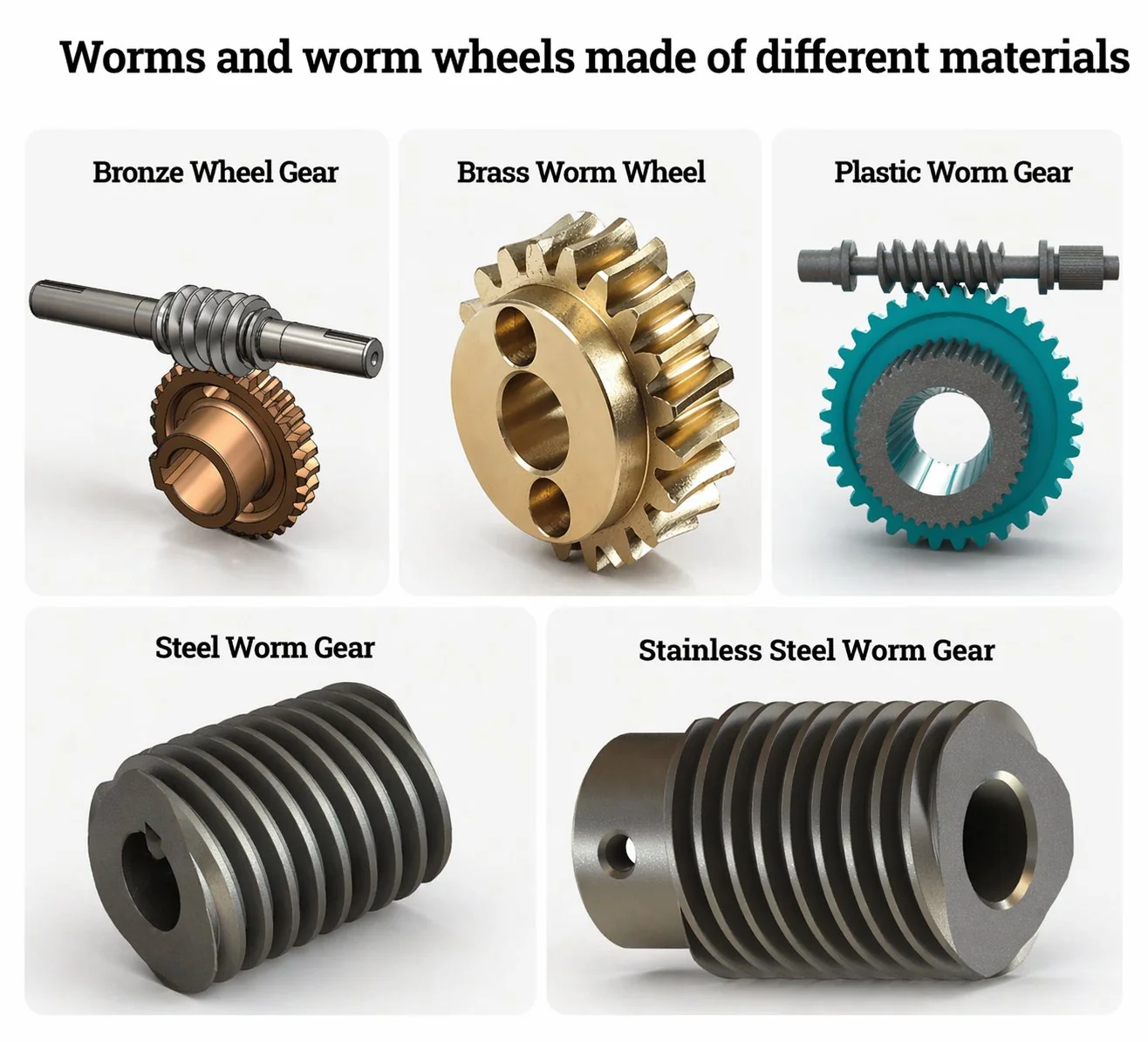
Ζεύγος 1 — Σκουλήκι από κράμα χάλυβα + τροχός από φωσφορούχο μπρούντζο (το άλογο εργασίας)
Άξονας ατέρμονα κοχλία: SCM415 (JIS) ή 20CrMnTi (Κινέζικο) ή 16MnCr5 (Γερμανικό) με ενανθράκωση σε θήκη, θερμικά επεξεργασμένο σε 58 έως 62 HRC στην πλευρά του δοντιού με σκληρότερο πυρήνα 30 έως 35 HRC, σπειρώματα τροχισμένα μετά από θερμική επεξεργασία σε Ra 0,4 μικρόμετρα. Τροχός ατέρμονα κοχλία: φωσφορούχος μπρούντζος CuSn12 (επίσης γνωστός ως C90700 / SAE 65), σύνθεση 88 έως 90 τοις εκατό χαλκός, 10 έως 12 τοις εκατό κασσίτερος, 0,1 έως 0,3 τοις εκατό φώσφορος. Σκληρότητα τροχού 80 έως 90 HRB (περίπου 200 HB).
Αυτό το ζεύγος αποτελεί περίπου το 70% του όγκου των ατέρμονων τροχών και των ατέρμονων τροχών που αποστέλλουμε. Είναι η βιομηχανική προεπιλογή για μεταφορικούς ιμάντες, μηχανήματα συσκευασίας, κινητήρες άξονα C εργαλειομηχανών, ενεργοποιητές καθισμάτων αυτοκινήτων, κιβώτια ταχυτήτων ανύψωσης, μηχανισμούς ανοίγματος πύλης και τις περισσότερες γενικές εφαρμογές OEM. Η περιεκτικότητα σε φώσφορο κάνει δύο πράγματα — καθαρίζει το χυτό υλικό αποοξειδώνοντας τον τηγμένο μπρούντζο και σχηματίζει σκληρά σωματίδια φωσφορούχου χαλκού στη μικροδομή που αντιστέκονται στη φθορά υπό την ολίσθηση.
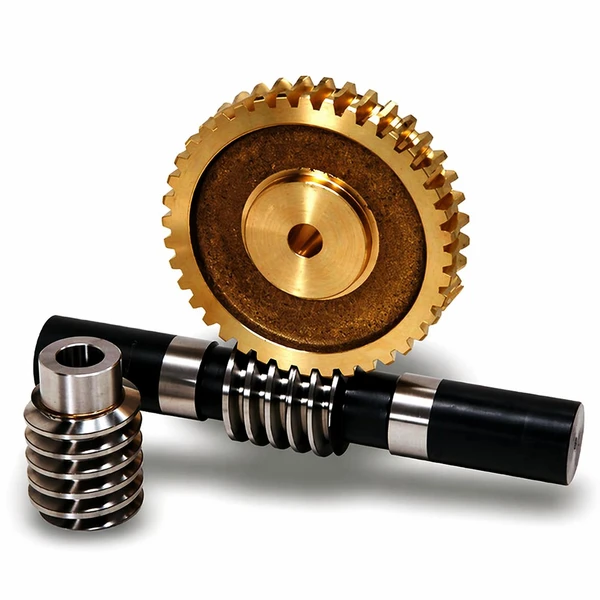
Χωρίς τον φώσφορο, θα αποκτούσατε έναν κασσίτερο-μπρούντζο που γρατζουνιέται σε λίγες μέρες. Με αυτόν, έχετε μια ζάντα που λειτουργεί από 25.000 έως 40.000 ώρες σε βιομηχανική χρήση.
Ζεύγος 2 — Ατσάλινος σκουλήκι + τροχός αλουμινίου-σιδήρου-νικελίου-μπρούντζου (ανθεκτική κατασκευή)
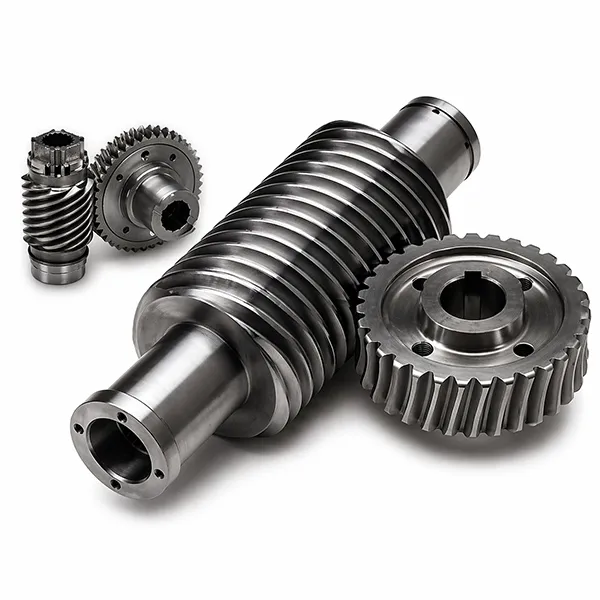
Άξονας ατέρμονα κράματος: το ίδιο σκληρυμένο σε περίβλημα κράμα χάλυβα όπως το Ζεύγος 1. Τροχός ατέρμονα κράματος: χαλκός αλουμινίου CuAl10Fe5Ni5 (επίσης CuAl11Ni, σειρά C95500 / C95800), σύνθεση 78 έως 81 τοις εκατό χαλκός, 9 έως 11 τοις εκατό αλουμίνιο, 4 έως 5 τοις εκατό σίδηρος, 4 έως 5 τοις εκατό νικέλιο. Σκληρότητα τροχού 170 έως 200 HB μετά από χύτευση και θερμική επεξεργασία, σημαντικά πιο σκληρός από τον φωσφορούχο χαλκό.
Ο μπρούντζος αλουμινίου αντέχει δύο πράγματα που ο φωσφορούχος μπρούντζος δεν αντέχει — βαριά φορτία κρούσης και επιθετικά διαβρωτικά περιβάλλοντα. Το αλουμίνιο που περιέχει σχηματίζει μια προστατευτική μεμβράνη οξειδίου που αντιστέκεται στο θαλασσινό νερό, τις πιτσιλιές χημικών και τις θειούχες ατμόσφαιρες. Οι προσθήκες σιδήρου και νικελίου αυξάνουν την αντοχή σε εφελκυσμό στα 700 έως 800 MPa, περίπου διπλάσια από τον φωσφορούχο μπρούντζο, κάτι που μεταφράζεται σε δύο έως τρεις φορές μεγαλύτερη ικανότητα φόρτισης κρούσης. Το συμβιβασμό: ο μπρούντζος αλουμινίου κοστίζει 35 έως 50 τοις εκατό περισσότερο ανά κιλό, επεξεργάζεται περίπου 30 τοις εκατό πιο αργά και απαιτεί αυστηρότερες παραμέτρους κοπής για να αποφευχθεί η σκλήρυνση κατά την κοπή με ελατήριο.
Προσδιορίστε αυτό το ζεύγος για θαλάσσια βαρούλκα, μεταφορικούς ιμάντες εξόρυξης, βαρέα ανυψωτικά μηχανήματα που μεταφέρουν 3 τόνους και άνω, ενεργοποιητές πλατφορμών ανοικτής θάλασσας και οποιαδήποτε εφαρμογή όπου ο κύκλος λειτουργίας προσεγγίζει τη συνεχή 24ωρη λειτουργία. Για την καθημερινή χρήση μεταφορικών ταινιών και συσκευασίας, η αύξηση κόστους δεν δικαιολογείται — το ζεύγος 1 θα εξυπηρετήσει.
Στις δύο δεκαετίες που γράφω προδιαγραφές υλικών, έχω παρατηρήσει ότι οι σχεδιαστές καταφεύγουν στο μπρούντζο αλουμινίου ενώ ο φωσφορούχος μπρούντζος θα είχε κάνει τη δουλειά — συνήθως επειδή ο πωλητής τον περιέγραφε ως «premium» και ο μηχανικός δεν αντιστάθηκε. Η σωστή δοκιμή είναι ο κύκλος λειτουργίας, όχι το επίπεδο μάρκετινγκ. Εάν ο δίσκος λειτουργεί λιγότερο από 16 ώρες την ημέρα, δεν εκτίθεται σε αλάτι ή χημικά και λειτουργεί κάτω από τους 70 βαθμούς Κελσίου σε θερμοκρασία φρεατίου, ο φωσφορούχος μπρούντζος προσφέρει την ίδια διάρκεια ζωής στο 60% του κόστους υλικού. Εξοικονομήστε τον προϋπολογισμό για τον μπρούντζο αλουμινίου για δίσκους που τον χρειάζονται πραγματικά — εφαρμογές βαριάς συνεχούς λειτουργίας, θαλάσσιες, εξορυκτικές ή πραγματικά κραδασμούς.
Ζεύγος 3 — Ανοξείδωτος ατσάλινος σκουλήκι + ανοξείδωτος ατσάλινος τροχός (υγειονομικού τύπου)
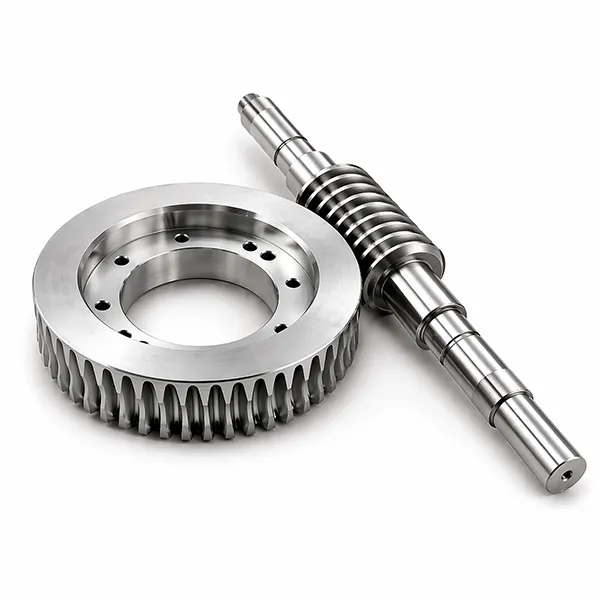
Άξονας ατέρμονα κοχλία: ανοξείδωτος χάλυβας 316 ή ανοξείδωτος χάλυβας 17-4PH σκληρυμένος με καθίζηση, σκληρυμένος σε 38 έως 42 HRC. Τροχός ατέρμονα κοχλία: ανοξείδωτος χάλυβας 304 ή 316, μερικές φορές ενισχυμένος με άζωτο ωστενιτικός, σκληρότητα 180 έως 220 HB. Ο λόγος σκληρότητας είναι πιο κοντά στο 1,5:1 από τον τυπικό λόγο 2:1, και αυτός ο συμβιβασμός είναι σκόπιμος — ο ανοξείδωτος χάλυβας δεν μπορεί να υποβληθεί σε θερμική επεξεργασία στα ίδια 58 έως 62 HRC με το κράμα χάλυβα χωρίς να χάσει την αντοχή του στη διάβρωση.
Ο λόγος για τον οποίο υπάρχουν οι ανοξείδωτες μονάδες δίσκου είναι καν κανονιστικός. Η επεξεργασία τροφίμων, η ανάμειξη φαρμακευτικών προϊόντων, οι γραμμές πλήρωσης γαλακτοκομικών προϊόντων και ο εξοπλισμός καθαρισμού επιτόπου δεν μπορούν να χρησιμοποιήσουν χαλκό επειδή ο χαλκός μεταφέρεται στις ροές προϊόντων υπό παρατεταμένη επαφή.
Το ανοξείδωτο ατσάλι πληροί τα υγειονομικά πρότυπα FDA, EHEDG και 3-A, και ο τροχός μπορεί να αποστειρωθεί με ατμό υψηλής πίεσης χωρίς να υποβαθμιστεί η επιφάνεια. Η διάρκεια ζωής του δέχεται πλήγμα — συνήθως 12.000 έως 20.000 ώρες αντί για τις 25.000 έως 40.000 ώρες ενός ζεύγους χάλυβα-μπρούντζου — επειδή ο χαμηλότερος λόγος σκληρότητας αυξάνει τον ρυθμό φθοράς. Ο κινητήρας πρέπει επίσης να λειτουργεί με λιπαντικό NSF H1 κατάλληλο για τρόφιμα, το οποίο είναι πιο ακριβό και λιγότερο αποτελεσματικό από το βιομηχανικό λάδι κιβωτίου ταχυτήτων στην καταστολή των γρατσουνιών.
Το ανοξείδωτο σε ανοξείδωτο είναι ένα εξειδικευμένο ζευγάρι υλικών. Προσδιορίστε το όταν χρειάζεστε συμμόρφωση με τις προδιαγραφές επαφής με τρόφιμα, θαλάσσια βυθισμένη χρήση χωρίς προστασία στέγασης ή φαρμακευτική χρήση σε καθαρούς χώρους. Μην το προσδιορίζετε επειδή «το ανοξείδωτο ακούγεται πιο ανθεκτικό από το μπρούντζο» - για συνηθισμένη βιομηχανική χρήση είναι η χειρότερη επιλογή σε κάθε μετρική εκτός από την χημική αντοχή.
Ζεύγος 4 — Ατέρμονας σκουλήκι από χυτοσίδηρο + τροχός από κράμα χάλυβα (χαμηλού κόστους αργές κινήσεις)
Μια ασυνήθιστη αντιστροφή της τυπικής λογικής. Ο ατέρμονας κοχλία είναι από χυτοσίδηρο (φαιός σίδηρος FC250 ή όλκιμος σίδηρος FCD500), ο τροχός είναι από κράμα χάλυβα μεσαίου άνθρακα σκληρυμένο σε 230 έως 280 HB. Ο ατέρμονας κοχλία είναι το φθηνότερο εξάρτημα προς αντικατάσταση, επειδή οι ατέρμονες κοχλία από χυτοσίδηρο μπορούν να παραχθούν γρήγορα χωρίς λείανση και ο χαλύβδινος τροχός είναι το πιο ανθεκτικό στοιχείο. Η διάρκεια ζωής είναι σύντομη - συνήθως 8.000 έως 15.000 ώρες - αλλά το κόστος ανά ώρα λειτουργίας είναι το χαμηλότερο από οποιονδήποτε συνδυασμό υλικών ατέρμονα κοχλία και τροχού ατέρμονα κοχλία.
Αυτό το ζεύγος εμφανίζεται σε αντλίες πολτού εργοστασίων τσιμέντου, μηχανισμούς τροφοδοσίας εξόρυξης, εξοπλισμό επιφανειών πετρελαιοπηγών και σε οποιαδήποτε τραχιά βιομηχανική εφαρμογή όπου το φορτίο είναι μέτριο, η ταχύτητα είναι χαμηλή (τυπική απόδοση κάτω από 100 σ.α.λ.) και ο χειριστής αναμένει να αντικαθιστά τον άξονα ατέρμονα κοχλία ετησίως ως στοιχείο συντήρησης. Στην κορεατική και ιαπωνική πελατειακή βάση αρχικών κατασκευών (OEM), αυτό το ζεύγος είναι ασυνήθιστο - οι περισσότεροι από αυτούς τους πελάτες προτιμούν την αξιοπιστία του ζεύγους 1 - αλλά εμφανίζεται τακτικά σε βιομηχανικές εφαρμογές στη Νοτιοανατολική Ασία και τη Μέση Ανατολή, όπου το κόστος κεφαλαίου υπερτερεί του διαστήματος σέρβις.
Ζεύγος 5 — Ζεύγη μηχανικών πλαστικών (μικρο- και όργανα)
Άξονας σκουληκιού: Ακετάλη POM (Delrin) ή μερικές φορές νάιλον PA66 γεμάτο με υαλονήματα ή PEEK για λειτουργία σε υψηλότερες θερμοκρασίες. Τροχός σκουληκιού: ίδια οικογένεια θερμοπλαστικών μηχανικής, μερικές φορές εμποτισμένος με PTFE για μείωση της τριβής. Ο κανόνας σκληρότητας 2:1 δεν ισχύει επειδή και τα δύο εξαρτήματα κάμπτονται ελαστικά αντί να φθείρονται με λειαντικό τρόπο — ο τρόπος αστοχίας είναι η κόπωση και ο ερπυσμός και όχι η φθορά λόγω ολίσθησης.
Τα ζεύγη πλαστικών ατέρμονων κοχλιωτών τροχών και τροχών ατέρμονων κοχλιωτών τροχών λειτουργούν ουσιαστικά αθόρυβα (ο ακουστικός θόρυβος είναι συνήθως 20 έως 30 dB κάτω από έναν ισοδύναμο μηχανισμό κίνησης από χάλυβα-μπρούντζο), αντέχουν την ξηρή λειτουργία για σύντομα χρονικά διαστήματα χωρίς άμεση βλάβη και ζυγίζουν περίπου το ένα όγδοο του βάρους ενός μεταλλικού ζεύγους στο ίδιο μέγεθος περιβλήματος. Το κόστος αυτών των πλεονεκτημάτων είναι τα αυστηρά όρια φορτίου και θερμοκρασίας - τα περισσότερα πλαστικά ζεύγη φτάνουν σε ροπή εξόδου 5 έως 8 N·m και συνεχή λειτουργία 80 βαθμών Κελσίου. Πάνω από αυτό, η παραμόρφωση ερπυσμού συσσωρεύεται σε γεωμετρικό σφάλμα μέσα σε μήνες.
Καθορίστε πλαστικά γρανάζια ατέρμονα κοχλία για μηχανισμούς τροφοδοσίας εκτυπωτή, δίσκους οπτικών μονάδων δίσκου, χρονοδιακόπτες οικιακών συσκευών, ενεργοποιητές εξαερισμού HVAC αυτοκινήτων, μονάδες ιατρικών αντλιών και ευρετηρίαση οργάνων όπου η ηλεκτρική απομόνωση έχει σημασία. Μην χρησιμοποιείτε πλαστικό για καμία μονάδα δίσκου που φέρει σημαντικό φορτίο σε παρατεταμένο κύκλο λειτουργίας.
Πίνακας προδιαγραφών σε παράθεση
Τα στοιχεία κόστους είναι σχετικά με μια βασική μονάδα χάλυβα-σε-φωσφόρο-μπρούντζο στη μονάδα M3, αναλογία 30:1, γεωμετρία μονού στομίου. Η διάρκεια ζωής προϋποθέτει σωστή λίπανση και ονομαστικό φορτίο. Η λειτουργία εκτός σχεδιασμού μπορεί να μειώσει οποιονδήποτε από αυτούς τους αριθμούς κατά το ήμισυ.
Δέντρο αποφάσεων που καθοδηγείται από το περιβάλλον
Η επιλογή υλικού γίνεται μια διαδικασία ενός ερωτήματος αν ξεκινήσετε από το λειτουργικό περιβάλλον. Ανοίξτε τις ερωτήσεις με τη σειρά και η απάντηση θα προκύψει χωρίς ασάφειες.
Ερώτηση 1: Μήπως η μονάδα δίσκου έρχεται σε επαφή με τρόφιμα, φαρμακευτικό προϊόν ή αποστειρωμένο υγρό;
Ναι → Ζεύγος 3 (ανοξείδωτο σε ανοξείδωτο). Δεν επιτρέπονται κράματα χαλκού σε ρυθμιζόμενες ροές τροφίμων και φαρμακευτικών προϊόντων.
Ερώτηση 2: Είναι η μονάδα δίσκου βυθισμένη σε θαλασσινό νερό, πιτσιλίσματα χημικών ουσιών ή αλμυρή ατμόσφαιρα;
Ναι → Ζεύγος 2 (χάλυβας + αλουμίνιο-σίδηρος-νικέλιο-μπρούντζος). Η μεμβράνη οξειδίου του αλουμινίου αντέχει σε επιθετικά περιβάλλοντα που απογυμνώνουν τον φωσφορίζοντα μπρούντζο.
Ερώτηση 3: Είναι η ροπή εξόδου κάτω από 8 N·m και αξίζει η αθόρυβη λειτουργία μια σύντομη διάρκεια ζωής;
Ναι → Ζεύγος 5 (πλαστικό). Κάτω από το όριο ροπής, το πλαστικό προσφέρει γνήσια ακουστικά και πλεονεκτήματα βάρους.
Ερώτηση 4: Είναι ο κύκλος λειτουργίας συνεχής 24 ώρες σε ουσιαστικό φορτίο ή τα φορτία κραδασμών υπερβαίνουν τα 2,5× ονομαστικά;
Ναι → Ζεύγος 2 (χάλυβας + χαλκός Al-Fe-Ni). Η ικανότητα αμορτισέρ και συνεχούς λειτουργίας αποφέρει το ασφάλιστρο κόστους.
Ερώτηση 5: Είναι το κόστος μονάδας ο κυρίαρχος περιορισμός στις προμήθειες;
Ναι → Ζεύγος 4 (χυτοσίδηρος + χάλυβας). Αποδεχτείτε τη σύντομη διάρκεια ζωής με αντάλλαγμα το χαμηλότερο αρχικό κόστος. Διαφορετικά, προεπιλογή στο Ζεύγος 1.
Προεπιλογή (κανένα από τα παραπάνω δεν είναι «ναι»)
→ Ζεύγος 1 (χάλυβας + φωσφορούχος μπρούντζος). Το βιομηχανικό εργαλείο καλύπτει τις συνήθεις εργασίες καλύτερα από οποιονδήποτε άλλο συνδυασμό υλικών.
Τρεις πραγματικές περιπτώσεις κακής χρήσης υλικών
Περίπτωση 1 — Πρόσθετο EP που διαβρώνει τον μπρούντζο σε ένα θερμό κιβώτιο ταχυτήτων
Ένας Κορεάτης κατασκευαστής μεταφορικών ιμάντων προδιαγράφησε το Ζεύγος 1 για συνεχή κίνηση 5 kW. Η θερμοκρασία του κάρτερ ήταν περίπου 95 βαθμοί Κελσίου - πολύ πάνω από το όριο των 70 βαθμών όπου τα ενεργά πρόσθετα θείου-φωσφόρου EP στο τυπικό λάδι διαφορικού αρχίζουν να επιτίθενται στα κίτρινα μέταλλα. Τα δόντια των τροχών εμφάνισαν αυλακώσεις στις 1.800 ώρες, πολύ κάτω από την αναμενόμενη διάρκεια ζωής των 25.000 ωρών. Η διάγνωση ήταν απλή - η χημεία του λιπαντικού έτρωγε το χαλκό. Η μετάβαση σε ένα συνθετικό λάδι PAG ασφαλές για κίτρινο μέταλλο αποκατέστησε την αναμενόμενη διάρκεια ζωής, αλλά ο τροχός έπρεπε να αντικατασταθεί. Το μάθημα: τα ζεύγη φωσφορούχου χαλκού απαιτούν χημεία λαδιού που σέβεται τα κράματα χαλκού. Το γενικό λάδι κιβωτίου ταχυτήτων δεν είναι ασφαλές.
Περίπτωση 2 — Αυτοφλεγόμενο ανοξείδωτο σε ανοξείδωτο χάλυβα κατά την εκκίνηση
Ένας Ιαπωνικός κατασκευαστής φαρμακευτικών αναμεικτήρων (OEM) όρισε το Ζεύγος 3 για συμμόρφωση με τις υγειονομικές απαιτήσεις. Τόσο ο ατέρμονας κοχλία όσο και ο τροχός ήταν από ανοξείδωτο χάλυβα 316, με αναλογία σκληρότητας κοντά στο 1:1. Κατά την πρώτη εκκίνηση με κρύο νερό κάθε βάρδιας, ο μηχανισμός κίνησης κολλούσε για αρκετά δευτερόλεπτα πριν απελευθερωθεί. Μέχρι τον τρίτο μήνα, τα δόντια του τροχού εμφάνισαν σημάδια φθοράς της κόλλας κατά μήκος της μπροστινής πλευράς. Διάγνωση: το ζεύγος αντίστοιχης σκληρότητας ήταν ενοχλητικό κατά την εκκίνηση, επειδή η αναντιστοιχία ανοξείδωτου-σε-ανοξείδωτο χωρίς αρκετή αναντιστοιχία σκληρότητας είναι ένα κλασικό ζεύγος ενοχλητικού. Λύση: αλλαγή σε ατέρμονα κοχλία σκληρυμένο με καθίζηση 17-4PH στα 38 HRC έναντι ωστενιτικού τροχού 316 στα 180 HB, αποκαθιστώντας σημαντική αναντιστοιχία σκληρότητας. Το μάθημα: οι μηχανισμοί κίνησης από ανοξείδωτο χάλυβα εξακολουθούν να χρειάζονται τον κανόνα σκληρότητας 2:1, ο οποίος επιτεύχθηκε απλώς μέσω διαφορετικής χημείας κράματος από τα ζεύγη χάλυβα-μπρούντζου.
Περίπτωση 3 — Πλαστικός ατέρμονας οδοντωτός τροχός που σέρνεται υπό παρατεταμένο φορτίο
Ένας μικρός Βιετναμέζος κατασκευαστής οργάνων προδιαγράφησε το Ζεύγος 5 για έναν δείκτη τοποθέτησης που διατηρεί στατικό φορτίο 4 N·m μεταξύ των κινήσεων. Η κίνηση λειτούργησε άψογα στις εργοστασιακές δοκιμές επειδή το φορτίο εφαρμόστηκε για λίγο κατά τη διάρκεια της κυκλικής λειτουργίας. Στο πεδίο, οι πελάτες στάθμευσαν τον δείκτη όλη τη νύχτα με πλήρες φορτίο. Μέσα σε έξι εβδομάδες, τα δόντια του πλαστικού τροχού είχαν παραμορφωθεί μόνιμα — η ακετάλη POM υπό 24ωρο στατικό φορτίο ερπυσμός μετρήσιμος ακόμη και σε θερμοκρασία δωματίου. Το γεωμετρικό σφάλμα μετά τον ερπυσμό έκανε την ακρίβεια τοποθέτησης απαράδεκτη. Λύση: μετάβαση στο Ζεύγος 1 με μικρότερο χάλκινο τροχό μεγέθους για το πραγματικό μέγιστο φορτίο, που δέχεται υψηλότερο θόρυβο αλλά εξαλείφει τον ερπυσμό. Το μάθημα: τα πλαστικά γρανάζια ατέρμονα διαχειρίζονται καλά το κυκλικό φορτίο, ενώ το παρατεταμένο στατικό φορτίο κακώς.
Προσαρμοσμένο υλικό έναντι χρόνου παράδοσης καταλόγου
Ένας παράγοντας που σπάνια καθιστά τα είδη επιλογής υλικών δημοφιλή είναι ο χρόνος αποστολής κάθε επιλογής. Ο φωσφορικός μπρούντζος CuSn12 σε τυπικά μεγέθη μονάδων (M2 έως M8) βρίσκεται στα ράφια των περισσότερων καθιερωμένων προμηθευτών — ο χρόνος παράδοσης του ζεύγους 1 είναι συνήθως δύο έως τρεις εβδομάδες. Ο μπρούντζος αλουμινίου-σιδήρου-νικελίου για το ζεύγος 2 συνήθως χυτεύεται κατόπιν παραγγελίας επειδή το κόστος του κράματος καθιστά το απόθεμα ακριβό — τέσσερις έως πέντε εβδομάδες είναι ρεαλιστικό. Τα ζεύγη ανοξείδωτου χάλυβα λειτουργούν με παρόμοιο χρόνο παράδοσης μόλις το απόθεμα ράβδων είναι διαθέσιμο. Οι ατέρμονες ράβδοι από χυτοσίδηρο για το ζεύγος 4 είναι οι ταχύτεροι, με 10 έως 14 ημέρες. Τα πλαστικά ζεύγη εξαρτώνται από το αν ο προμηθευτής διαμορφώνει εσωτερικά ή κατασκευάζει μηχανήματα από απόθεμα ράβδων.
Συμπιέστε τον χρόνο παράδοσης αποδεχόμενοι μια τυπική αναλογία καταλόγου και μονάδα αντί να ζητάτε μια προσαρμοσμένη γεωμετρία. Η εστία υπάρχει για τους τυπικούς συνδυασμούς και το κόστος εργαλείων έχει ήδη αποσβεστεί. Το να ζητάτε μια ασυνήθιστη αναλογία που απαιτεί μια νέα εστία είναι αυτό που παρατείνει τον χρόνο παράδοσης του Ζεύγους 1 από τρεις εβδομάδες σε έξι. Για τους Κορεάτες και Ιάπωνες κατασκευαστές πρωτότυπου εξοπλισμού (OEM) που λειτουργούν με ένα αυστηρό πρόγραμμα παραγωγής, το γραφείο μηχανικών μας μπορεί συνήθως να βρει μια σχεδόν τυπική αναλογία που να ανταποκρίνεται στον σκοπό του σχεδιασμού — η εξοικονόμηση χρόνου παράδοσης συχνά υπερτερεί ενός συμβιβασμού 5% στον ακριβή αριθμό αναλογίας.
Συχνές ερωτήσεις
Ε: Γιατί επιλέγεται ο φωσφορούχος μπρούντζος αντί για τον απλό κασσιτερωμένο μπρούντζο;
Ο κασσιτερωμένος μπρούντζος χωρίς φώσφορο τείνει να σχηματίζει εύθραυστα εγκλείσματα οξειδίου του κασσιτέρου (SnO₂) κατά τη χύτευση, τα οποία προκαλούν τοπικές συγκεντρώσεις τάσης και μειώνουν τη διάρκεια ζωής σε κόπωση. Η προσθήκη 0,1 έως 0,3% φωσφόρου αποξειδώνει το τήγμα κατά τη χύτευση, εξαλείφει τα εύθραυστα εγκλείσματα και σχηματίζει σκληρά σωματίδια φωσφορικού χαλκού που βελτιώνουν την αντοχή στην ολίσθηση. Ο φωσφορικός μπρούντζος είναι ουσιαστικά κασσιτερωμένος μπρούντζος που έχει κατασκευαστεί σωστά για χρήση με ολίσθηση.
Ε: Μπορεί ο σκουλήκι να είναι από μπρούντζο και ο τροχός από χάλυβα;
Σχεδόν ποτέ. Ο ατέρμονας κοχλία παρατηρεί περισσότερους κύκλους τάσης επαφής από τον τροχό — κάθε δόντι τροχού εμπλέκεται μία φορά ανά περιστροφή του ατέρμονα κοχλία, αλλά κάθε σημείο στο σπείρωμα του ατέρμονα κοχλία εμπλέκεται συνεχώς. Εάν ο ατέρμονας κοχλία είναι το πιο μαλακό εξάρτημα, φθείρεται πιο γρήγορα και η αντικατάσταση ενός άξονα ατέρμονα κοχλία είναι πολύ πιο ακριβή από την αντικατάσταση ενός τροχού, επειδή ο άξονας συνήθως ενσωματώνει ρουλεμάν, στεγανοποιήσεις και προεκτάσεις άξονα. Η συνήθης πρακτική είναι σκληρός ατέρμονας κοχλία, μαλακός τροχός. Το ζεύγος 4 (ατέρμονος κοχλίας από χυτοσίδηρο + χαλύβδινος τροχός) είναι η μόνη εξαίρεση που υπάρχει στο ευρύ κοινό και υπάρχει για λόγους κόστους σε βιομηχανικούς κινητήρες χαμηλής ταχύτητας με αργή αντικατάσταση.
Ε: Πόσο πιο σκληρό πρέπει να είναι το σκουλήκι από τον τροχό;
Περίπου μια αναλογία σκληρότητας Vickers ή Brinell 2:1. Ο τυπικός συνδυασμός σκουληκιού από κράμα χάλυβα 58-62 HRC έναντι ζάντας από φωσφορούχο μπρούντζο 200 HB αποδίδει περίπου 600 HV έναντι 250 HV. Κάτω από την αναλογία 1,5:1 κινδυνεύετε να υποστείτε φθορά. Πάνω από 3:1, η ζάντα φθείρεται υπερβολικά γρήγορα χωρίς πρόσθετο όφελος, επειδή η λειτουργία αστοχίας μετατοπίζεται από την πρόσφυση της ζάντας στην τριβή της. Η ζώνη 2:1 είναι η ζώνη όπου μεγιστοποιείται η διάρκεια ζωής.
Ε: Είναι ο μπρούντζος αλουμινίου πάντα καλύτερος από τον φωσφορούχο μπρούντζο;
Όχι. Ο μπρούντζος αλουμινίου έχει υψηλότερη αντοχή σε εφελκυσμό και καλύτερη αντοχή στη διάβρωση, αλλά για τις περισσότερες συνήθεις βιομηχανικές χρήσεις (λιγότερο από 16 ώρες την ημέρα, χωρίς έκθεση σε χημικά, θερμοκρασία κάτω από 70 βαθμούς Κελσίου), ο φωσφορούχος μπρούντζος προσφέρει ουσιαστικά την ίδια διάρκεια ζωής στο 60% του κόστους του υλικού. Πληρώστε για μπρούντζο αλουμινίου μόνο όταν το απαιτεί ο κύκλος λειτουργίας, το περιβάλλον ή το φορτίο κρούσης.
Ε: Ποιο υλικό άξονα ατέρμονα είναι στάνταρ στις κορεατικές προδιαγραφές OEM;
Το SCM415 είναι το πιο συνηθισμένο, μερικές φορές ονομάζεται JIS SCM-415 ή ισοδύναμο AISI 8620. Ενανθράκεται καθαρά σε 58-62 HRC στο πλευρό του δοντιού, διατηρεί έναν ανθεκτικό πυρήνα 30-35 HRC και είναι ευρέως διαθέσιμο από κορεατικά χαλυβουργεία (POSCO, Hyundai Steel) σε λογικό κόστος. Το SCM440 χρησιμοποιείται επίσης για εφαρμογές υψηλότερης αντοχής σε εφελκυσμό, αν και είναι πιο συχνά νιτρωμένο παρά ενανθράκωτο. Ορισμένα προγράμματα βαρέως τύπου ορίζουν το 20CrMnTi που προέρχεται από κινεζικά εργοστάσια ως υποκατάστατο ισοδύναμο κόστους. Ισοδύναμο μειωτήρας ατέρμονα κοχλία Τα περιβλήματα χρησιμοποιούν μερικές φορές τα ίδια κράματα για τον ενσωματωμένο άξονα ατέρμονα κοχλία όταν το επιτρέπει η γεωμετρία του περιβλήματος.
Ε: Μπορώ να χρησιμοποιήσω ένα μονοκόμματο χάλκινο σκουλήκι αντί για ένα ζεύγος χάλυβα-χάλκινου σκουληκιού;
Ζεύγη χαλκού-σε-χαλκού υπάρχουν για πολύ συγκεκριμένες εξειδικευμένες εφαρμογές (χαμηλής ταχύτητας ευρετηρίαση, όπου η συνεπής θερμική διαστολή έχει μεγαλύτερη σημασία από τη διάρκεια ζωής), αλλά δεν αποτελούν υποκατάστατο του χάλυβα-χαλκού στις κύριες βιομηχανικές μονάδες κίνησης. Χωρίς την αναντιστοιχία σκληρότητας, και τα δύο εξαρτήματα φθείρονται με παρόμοιους ρυθμούς, διπλασιάζοντας το βάρος συντήρησης. Η εξοικονόμηση κόστους από την παράλειψη της θερμικής επεξεργασίας συνήθως αντισταθμίζεται από τη μικρότερη διάρκεια ζωής.
Ε: Πώς μπορώ να επαληθεύσω το υλικό σε έναν υπάρχοντα τροχό ατέρμονα κοχλία;
Για τον τροχό σκουληκιών, τρεις γρήγορες δοκιμές την περιορίζουν. Δοκιμή μαγνήτη: ο μπρούντζος και ο ανοξείδωτος χάλυβας είναι μη μαγνητικοί, το κράμα χάλυβα είναι έντονα μαγνητικό. Δοκιμή χρώματος: ο φωσφορούχος μπρούντζος είναι κίτρινο-ροζ, ο μπρούντζος αλουμινίου είναι χρυσοκαφέ, ο ορείχαλκος είναι έντονο κίτρινο. Δοκιμή σπινθήρα σε μύλο: ο μπρούντζος δεν παράγει σπινθήρα, ο απλός χάλυβας παράγει κίτρινους σύντομους σπινθήρες, ο κράμα χάλυβας παράγει κίτρινο-λευκούς σπινθήρες διακλάδωσης. Για την ακριβή αναγνώριση του κράματος χρειάζεστε ανάλυση φασματόμετρου, την οποία τα περισσότερα εργαστήρια ποιότητας στην Κορέα μπορούν να εκτελέσουν σε ένα μικρό δείγμα έναντι μέτριας χρέωσης.
Η επιλογή υλικού ακούγεται σαν ένα περίπλοκο πρόβλημα πολλαπλών μεταβλητών, αλλά στην πράξη καταρρέει σε δύο ερωτήματα - τι απαιτεί το περιβάλλον και τι απαιτεί ο κύκλος λειτουργίας. Περπατήστε στο δέντρο αποφάσεων παραπάνω και η απάντηση είναι σχεδόν πάντα ένα από τα πέντε τυπικά ζεύγη. Οι εξωτικοί συνδυασμοί υπάρχουν για πραγματικούς λόγους, αλλά δεν πρέπει ποτέ να είναι η πρώτη επιλογή όταν ένα συνηθισμένο ζευγάρι θα έκανε τη δουλειά.
Για τις κορεατικές και ιαπωνικές ομάδες σχεδιασμού OEM που επιθυμούν μια προδιαγραφή υλικού να εξεταστεί σε σχέση με έναν πραγματικό κύκλο λειτουργίας και περιβάλλον, το τμήμα μηχανικών μας εκτελεί μια αξιολόγηση επιλογής υλικού γραναζιού με ατέρμονα κοχλία σύμφωνα με το λειτουργικό σας προφίλ και συνιστά ένα από τα πέντε ζεύγη με τεκμηριωμένη αιτιολόγηση. Οι τυπικές προσφορές καταλόγου καλύπτουν το Ζεύγος 1 σε μονάδες M1 έως M8 και το Ζεύγος 2 σε επιλεγμένα μεγέθη μεγάλου όγκου — την πλήρη γκάμα σετ τροχών με σκουλήκι από φωσφορούχο μπρούντζο και μπρούντζο αλουμινίου περιλαμβάνει πίνακες παραμέτρων, πιστοποιητικά σκληρότητας και αναφορές σύνθεσης υλικών για κάθε αποστολή. Οι προδιαγραφές κραμάτων κατά παραγγελία και τα ζεύγη ανοξείδωτου χάλυβα για υγιεινή κατασκευάζονται κατόπιν παραγγελίας βάσει σχεδίου.
Δεν είστε σίγουροι ποιο ζεύγος υλικών ταιριάζει στο λειτουργικό σας περιβάλλον;
Στείλτε τον κύκλο λειτουργίας, τη θερμοκρασία περιβάλλοντος, τη ροπή εξόδου και τυχόν απαιτήσεις επαφής με χημικά ή τρόφιμα. Το γραφείο μηχανικών μας θα πραγματοποιήσει τη σύγκριση των πέντε ζευγών και θα προτείνει τον σωστό συνδυασμό — συνήθως εντός μίας κορεατικής εργάσιμης ημέρας.
Επιμέλεια: Cxm