Korea Ever-Power · Vodič za inženjering aplikacija
Puž i pužni kotač za automobilski upravljač i regulator prozora
Svaki automobil na cesti sadrži 4 do 12 parova pužnih zupčanika - u električnom servo upravljaču, u svakom od četiri regulatora prozora, u podešivačima sjedišta, krovnom otvoru i aktuatorima retrovizora. Jedan proizvođač originalne opreme u automobilskoj industriji koji proizvodi 1,5 miliona vozila godišnje potroši 6 do 18 miliona parova pužnih zupčanika. Pri ovom obimu, smanjenje troškova od 0,02 USD po paru štedi 120.000 do 360.000 USD godišnje - a stopa nedostataka u kvaliteti od 0,1 posto proizvodi 6.000 do 18.000 zahtjeva za garanciju. Masovna proizvodnja transformira specifikaciju para pužnih zupčanika iz inženjerskog problema u izazov statističke kontrole kvaliteta.
Automobilske primjene - električni servo upravljač (EPS), regulatori prozora, podešivači sjedišta, pogoni krovnih otvora i aktuatori retrovizora - predstavljaju tržište pužnih zupčanika s najvećim obimom proizvodnje u svijetu: 100.000 do 5.000.000 jedinica godišnje po primjeni po proizvođaču originalne opreme (OEM). Matrica kontrole kvaliteta SPC-a za masovnu proizvodnju definira ciljeve Cpk (indeks mogućnosti procesa) za svaku kritičnu dimenziju pužnog para: Cpk 1,67 ili više za sigurnosno kritične EPS parametre (zazor, kapacitet obrtnog momenta), Cpk 1,33 ili više za NVH-kritične parametre (završna obrada površine, profil zuba) i Cpk minimalno 1,0 za nekritične dimenzije. Ovaj statistički pristup zamjenjuje inspekciju pojedinačnih dijelova koja se koristi u industrijskim primjenama (članci A01 do A29) statističkom verifikacijom na nivou procesa - potvrđujući ne da svaki dio ispunjava specifikacije, već da je proizvodni proces statistički nesposoban za proizvodnju neusklađenih dijelova. Plastični felge od POM i PA66-GF su univerzalne za automobilske primjene jer pružaju NVH performanse, smanjenje težine i jediničnu cijenu koju zahtijeva automobilska ekonomija.
Gdje svaki automobil koristi parove pužnih zupčanika
Moderni putnički automobil sadrži 4 do 12 pojedinačnih parova pužnih zupčanika u više podsistema. Svaka primjena dijeli tri zajednička zahtjeva: tihi rad unutar putničkog prostora (NVH ispod ljudske percepcije), lagana konstrukcija (svaki gram utiče na efikasnost potrošnje goriva ili domet električnog vozila) i pouzdanost automobilskog nivoa (nula kvarova tokom 10 do 15 godina i preko 200.000 radnih ciklusa). Ali svaka primjena također ima jedinstvene zahtjeve koji razlikuju specifikaciju para pužnih zupčanika.
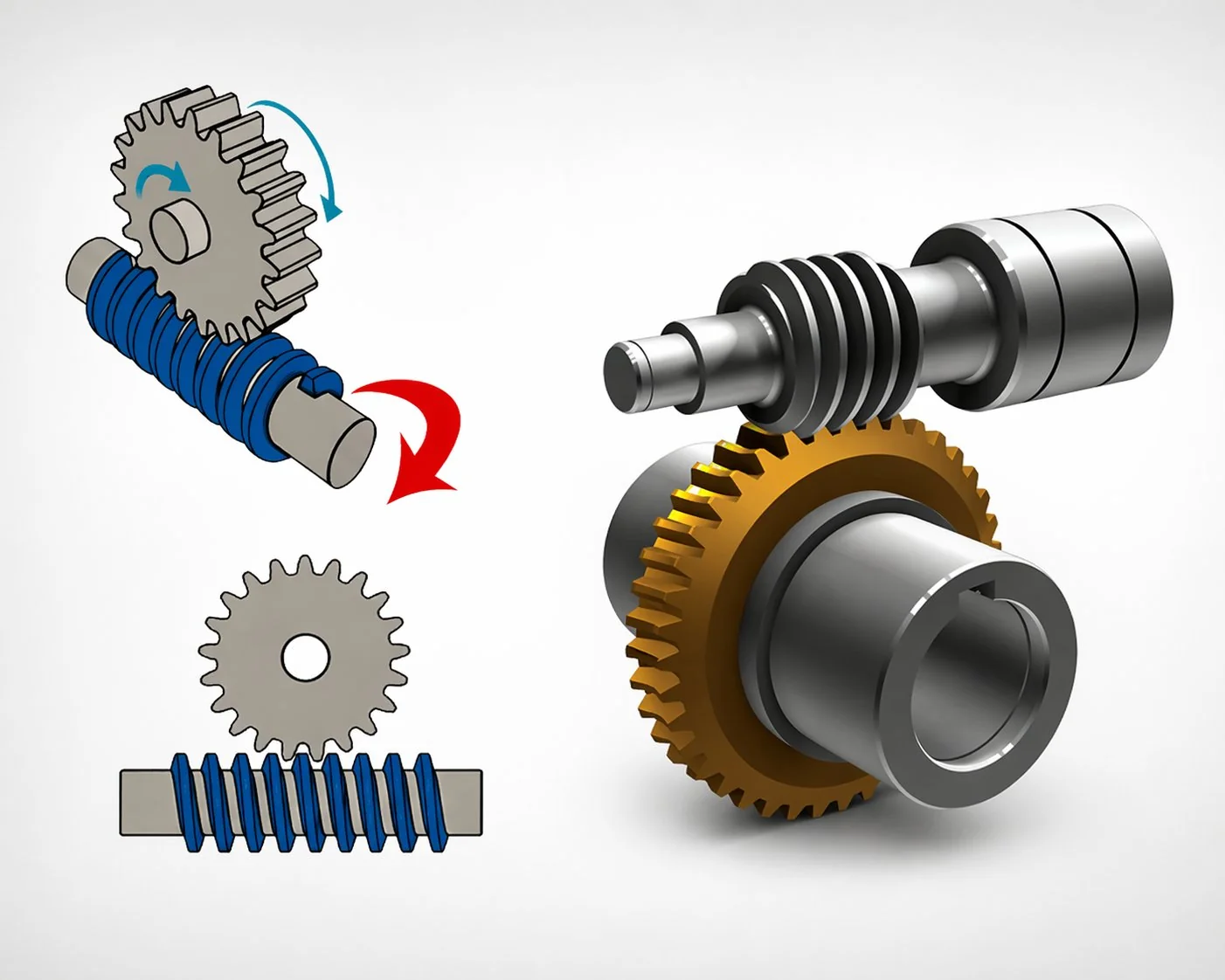
Funkcija: Obrtni moment pomoćnog motora prenosi se preko pužnog para zupčanika na stup volana.
Obrtni moment: Pomoćni moment od 20 do 60 N·m. Negativna reakcija: Ispod 5 lučnih minuta (osjećaj upravljanja).
Samozaključavanje: Osnovno — sprečava da povratne informacije o putu pokreću motor unazad.
Kvalitet: IATF 16949, PPAP nivo 3, Cpk ≥ 1,67 za sigurnosne parametre.
Volumen: 1 po vozilu. Život: 15 godina / 300.000 km.
Funkcija: Motor pokreće prozorsko staklo gore/dolje putem bubnja za sajle i para pužnih zupčanika.
Obrtni moment: 3 do 8 N·m. Buka: Ispod 42 dB(A) unutar kabine.
Samozaključavanje: Osnovno — drži prozor u položaju protiv pritiska vjetra pri brzini na autoputu.
Kvalitet: IATF 16949, PPAP nivo 3, Cpk ≥ 1,33 za NVH parametre.
Volumen: 4 po vozilu. Život: 40.000+ ciklusa.
Matrica kontrole kvaliteta SPC-a za masovnu proizvodnju — Cpk ciljevi prema kritičnosti parametara
U proizvodnji industrijskih pužnih zupčanika (članci A01 do A29), kvalitet se provjerava inspekcijom svakog dijela u odnosu na specifikaciju - pristup 100-postotne inspekcije koji je izvodljiv pri količinama od 50 do 5.000 jedinica godišnje. Pri količinama u automobilskoj industriji (100.000 do 5.000.000 jedinica godišnje), 100-postotna inspekcija svake dimenzije je ekonomski nemoguća. Umjesto toga, dobavljači u automobilskoj industriji koriste SPC (Statističku kontrolu procesa) za praćenje proizvodnog procesa - provjeravajući da li sposobnost procesa (Cpk) prelazi prag koji statistički garantuje usklađenost.
Matrica pokazuje da se kvalitetom pužnih zupčanika u automobilskoj industriji upravlja na tri nivoa: parametri kritični za sigurnost (Cpk 1,67, manje od 1 defekta na milion) koji bi uzrokovali sigurnosni kvar vozila ako nisu u skladu sa specifikacijama, parametri kritični za NVH (Cpk 1,33, manje od 63 defekta na milion) koji bi proizveli buku ili grubost koju kupac osjeća, i značajni parametri (Cpk 1,0, manje od 2.700 na milion) koji utiču na pristajanje sklopa, ali ne i na funkciju ili percepciju kupca. Dobavljač pužnih zupčanika proizvođaču originalne opreme u automobilskoj industriji mora demonstrirati ove Cpk vrijednosti tokom PPAP-a (Proces odobravanja proizvodnih dijelova) prije početka proizvodnje - i održavati ih tokom cijelog proizvodnog vijeka uz kontinuirano praćenje SPC-a.
NVH zahtjevi — tihi rad unutar putničkog prostora
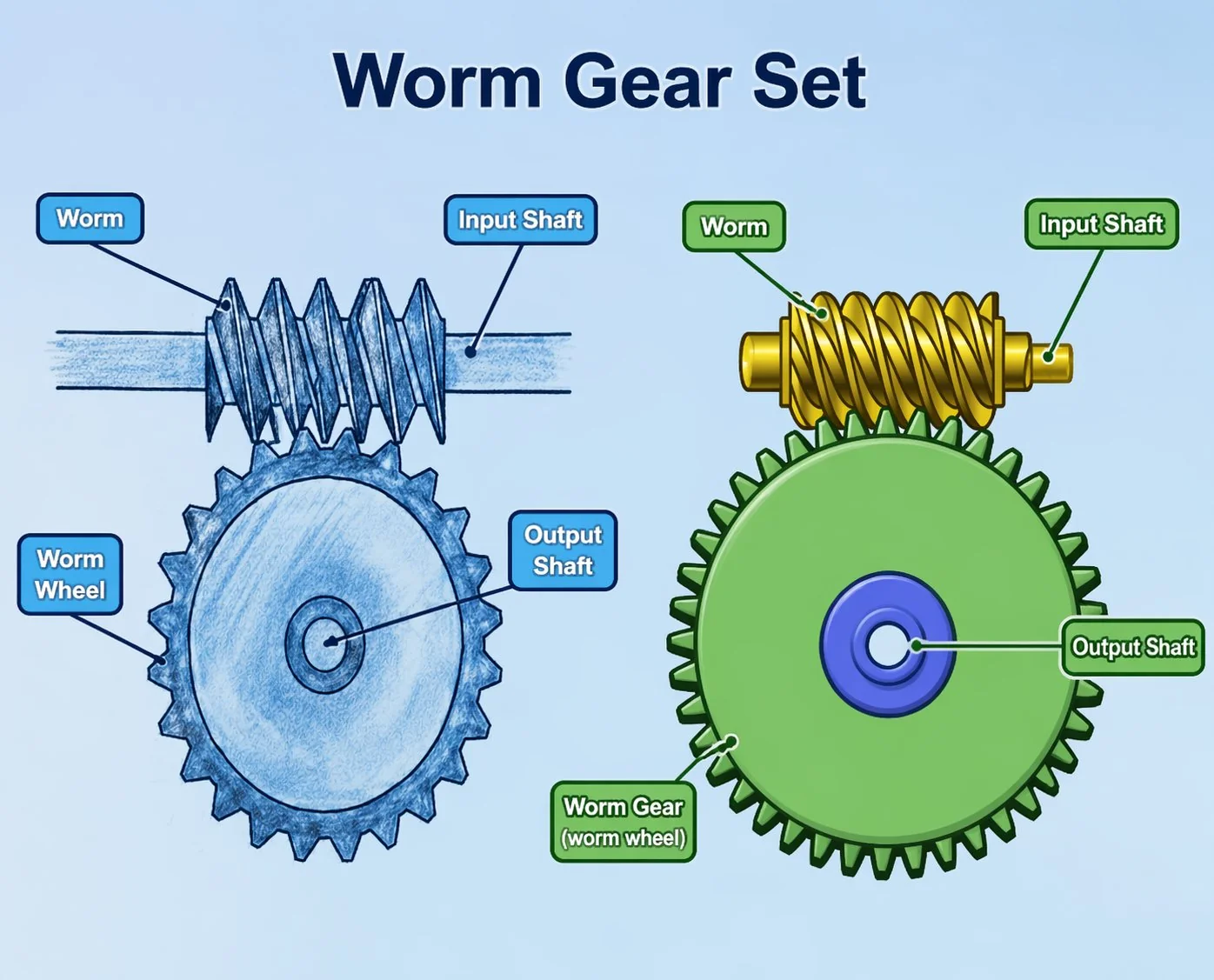
Putnički prostor u automobilu je najtiše radno okruženje za pužni par zupčanika u ovoj seriji od 30 članaka - i paradoksalno, ima najstrože specifikacije buke. Bolnički krevet na intenzivnoj njezi (Članak A11) radi ispod 45 dB(A) u prostoriji sa pozadinskom bukom od 35 dB(A). Regulator prozora automobila mora raditi ispod 42 dB(A) unutar kabine gdje pozadinska buka pri brzini na autoputu može biti samo 62 do 68 dB(A) - ali regulator radi tokom zaustavljanja i male brzine kada je buka u kabini 35 do 45 dB(A), što regulator od 42 dB(A) čini jasno čujnim. Prag percepcije buke pužnog para zupčanika u tihoj kabini je približno 38 dB(A) - što je cilj za premium vozila.
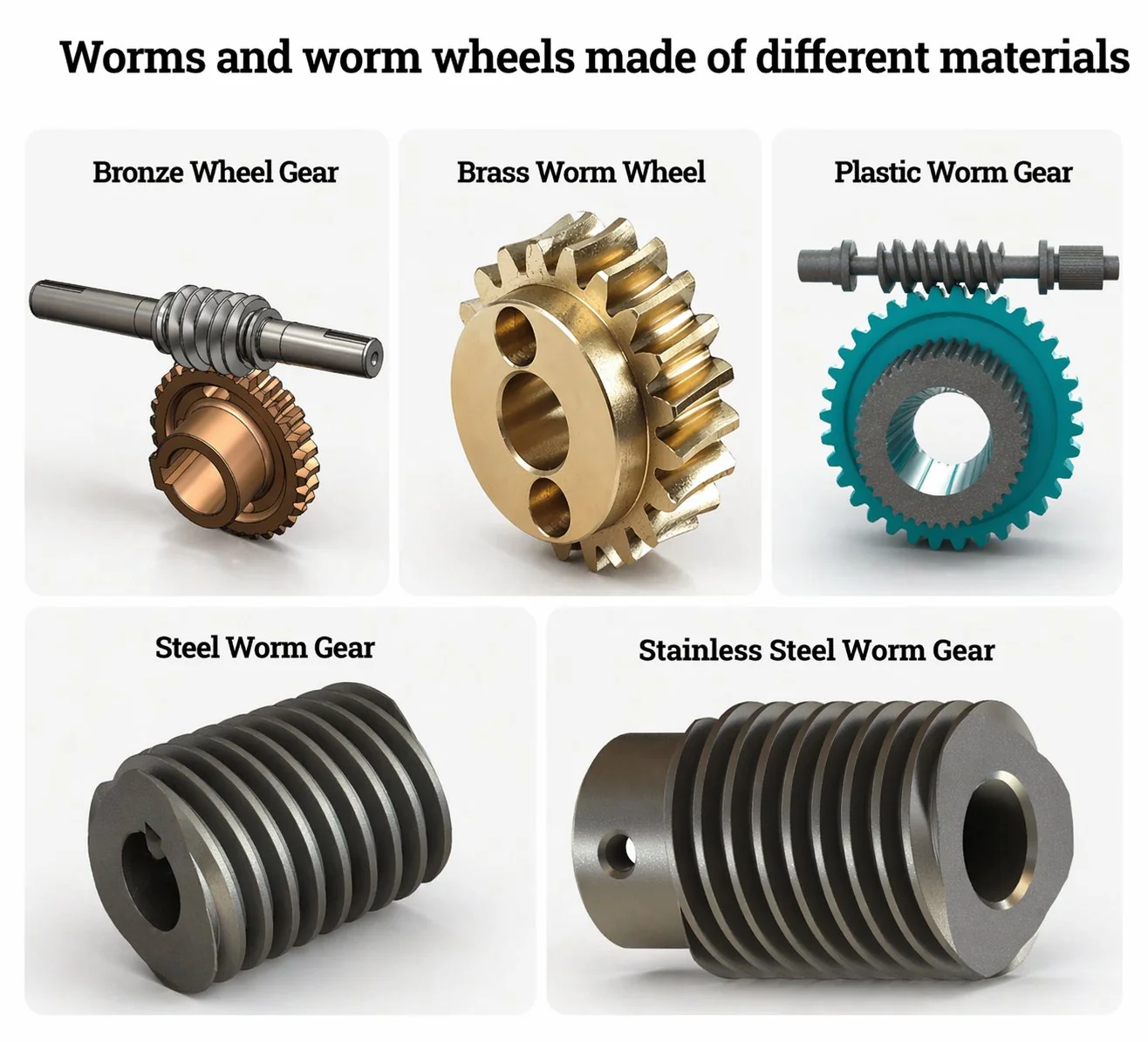
Plastični felge kao NVH rješenje. POM (acetal) i PA66-GF (najlon ojačan staklenim vlaknima) su univerzalni materijali za kotače za parove pužnih zupčanika u automobilskoj industriji jer proizvode 10 do 15 dB(A) manje buke u zahvatu od bronze pri malim obrtnim momentima tipičnim za automobilske primjene (3 do 60 N·m). POM se preferira za regulatore prozora i aktuatore retrovizora (najniža buka, odgovarajuća čvrstoća pri 3 do 8 N·m). PA66-GF se preferira za EPS upravljačke stupove (veća čvrstoća pri 20 do 60 N·m, staklena vlakna dodaju 40 posto zateznoj čvrstoći u odnosu na neojačani PA66). Oba materijala koštaju 60 do 80 posto manje po kotaču od bronze - što je ključno za ciljeve troškova u automobilskoj industriji.
Korejski dobavljač automobilske industrije Tier 1, koji proizvodi pužne zupčanike regulatora prozora za velikog proizvođača originalne opreme (OEM) sa 2,4 miliona jedinica godišnje, doživio je porast broja zahtjeva za garanciju u trećoj godini proizvodnje: 380 pritužbi na buku PPM (kupci prijavljuju čujno kliktanje tokom rada prozora). Istraga je utvrdila da buka potiče od varijacije profila zuba na POM točku - proces brizganja je skrenuo s puta zbog habanja šupljine kalupa, što je proizvelo odstupanje od 0,03 mm u bočnoj strani zuba, što je bilo unutar dimenzijske tolerancije (Cpk je ostao iznad 1,0 za dimenziju), ali je premašilo NVH prag. Dimenzionalni SPC grafikon nije pokazao alarm - ali je SPC grafikon buke (100-postotno testiranje buke na kraju proizvodne linije, uvedeno nakon incidenta) pokazao da je buka imala uzlazni trend 6 sedmica prije nego što su stigli zahtjevi za garanciju. Korektivne mjere: dodati testiranje buke na kraju linije u plan kontrole SPC-a (100-postotno testiranje po cijeni od 0,8 USD po jedinici - dodavanje 1.920.000 USD godišnje troškovima proizvodnje), obnoviti šupljine kalupa u ciklusu od 500.000 pucanja (ranije 800.000 pucanja) i zaoštriti ciljnu vrijednost Cpk profila zuba sa 1,0 na 1,33 za kritičnu dimenziju boka vezanu za NVH. Broj reklamacija opao je na 12 PPM u roku od 3 mjeseca. Pouka: dimenzionalna usklađenost ne garantuje usklađenost sa NVH - par pužnih zupčanika može biti dimenzijski unutar tolerancije, ali akustički izvan specifikacija jer osjetljivost na buku zavisi od geometrijskih interakcija (profil, korak, odstupanje) koje SPC pojedinačnih dimenzija ne obuhvata. Funkcionalno testiranje na kraju linije (buka, obrtni moment, zazor) je obavezno za parove pužnih zupčanika automobilskog kvaliteta.
Tri slučaja specifikacije para pužnih zupčanika za automobile
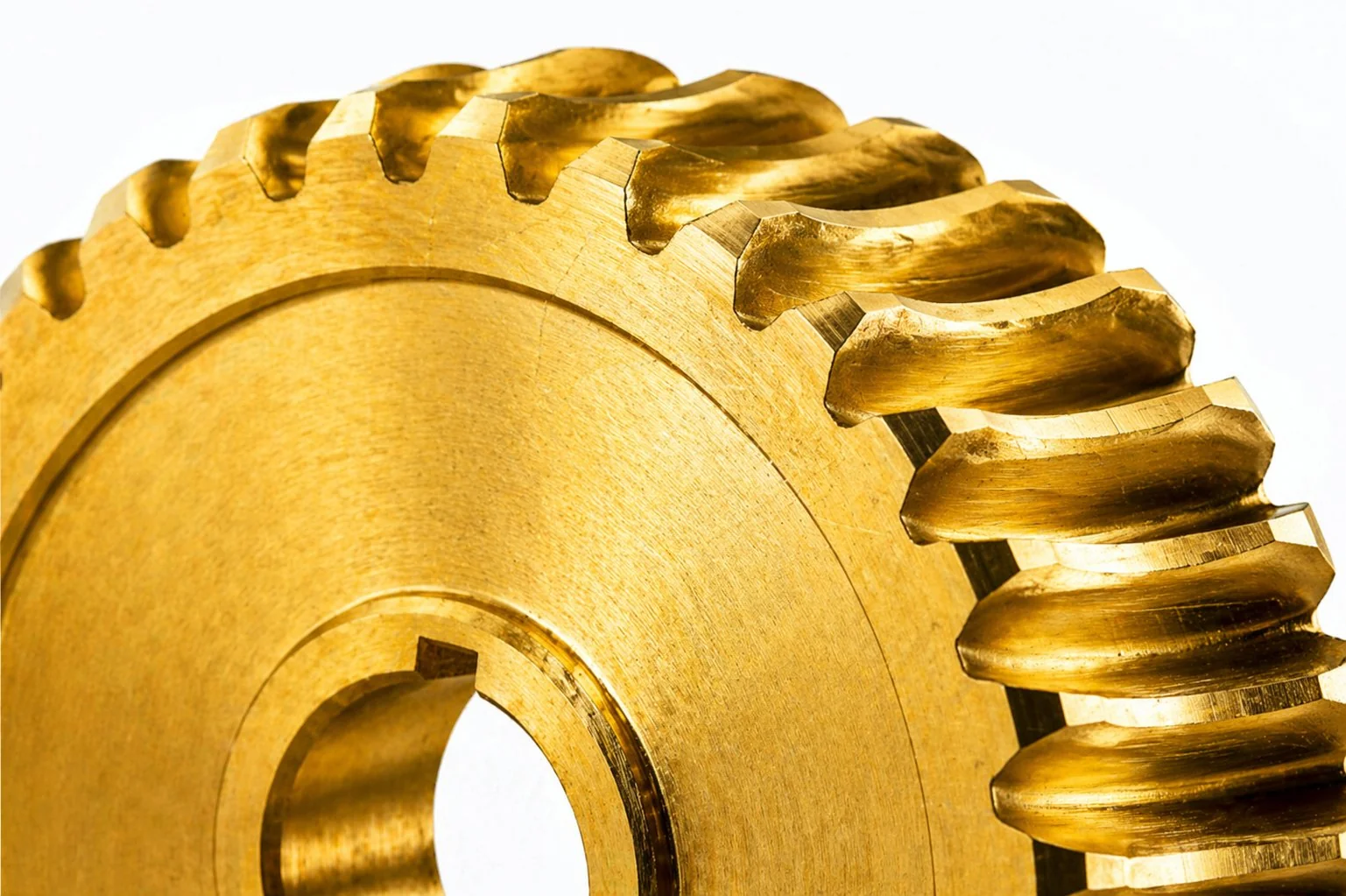
Slučaj 1 — Korejski dobavljač Tier 1: EPS pomoć pri postavljanju stubova, kritično za sigurnost, 800.000 jedinica godišnje
Korejski dobavljač automobilske industrije Tier 1 specifikacijom je odredio parove pužnih zupčanika za električni servo upravljač stubastog tipa, isporučen korejskom proizvođaču originalne opreme (OEM) za 3 platforme vozila, sa proizvodnjom od 800.000 jedinica godišnje. Pomoćni obrtni moment EPS-a: maksimalno 45 N·m. Motor: 12 V bezčetkicna istosmjerna struja, 500 W. Par pužnih zupčanika: jednostruki start, modul 1,25, omjer 16:1. Puž: hladno kovani ugljični čelik sa Geomet antikorozivnim premazom (zamjenjuje cinkovanje radi sprječavanja krhkosti uzrokovane vodikom), brušeni Ra 0,3 µm. Točak: PA66-GF30 (30 posto najlona ojačanog staklenim vlaknima - plastika najveće čvrstoće dostupna za automobilske pužne zupčanike). Zazor: ispod 5 lučnih minuta (osjetljivost na osjećaj upravljanja). NVH: ispod 40 dB(A) na 1 m (mjereno tokom PPAP testa na kraju linije). Zahtjevi za Cpk: zazor Cpk 1,67 (kritično za sigurnost), kapacitet obrtnog momenta Cpk 1,67, profil zuba Cpk 1,33, buka Cpk 1,33. PPAP nivo 3 sa potpunim dimenzijskim izvještajem, certifikacijom materijala, dijagramom toka procesa, planom kontrole i početnom studijom mogućnosti procesa. Cijena po paru: 4,20 USD pri godišnjoj količini od 800.000 jedinica. Godišnji prihod od ove pojedinačne primjene: 3,36 miliona USD.
Slučaj 2 — Japanski dobavljač Tier 2: regulator prozora, NVH-kritičan, 3,2 miliona jedinica/godišnje
Japanski proizvođač pužnih zupčanika isporučio je parove zupčanika za podizače prozora japanskom dobavljaču prozorskih modula Tier 1 standarda za distribuciju na 5 platformi vozila u količini od 3,2 miliona jedinica godišnje (4 prozora po vozilu × 800.000 vozila). Izlazni obrtni moment: 5 N·m. Motor: 12 V četkani DC, 80 W. Pužni zupčanik: jednostruki hod, modul 0,8, omjer 55:1. Puž: hladno obrađeni ugljični čelik, fosfatno obložen, valjani navoj (nije brušen - optimizirano za veličinu modula 0,8 gdje je brušenje nesrazmjerno skupo). Točak: POM (acetal - odabran umjesto PA66 za nižu buku pri laganom opterećenju od 5 N·m, i nisu potrebna staklena vlakna pri ovom nivou obrtnog momenta). Zazor: ispod 15 lučnih minuta (manje kritično od EPS - položaj prozora ne zahtijeva preciznost na nivou upravljanja). NVH: ispod 42 dB(A) na 0,3 m (udaljenost od panela vrata do uha putnika). Završni test buke od 100% pri 3 radne brzine (spora, srednja, brza). Cijena po paru: 1,85 USD pri količini od 3,2 miliona komada. Pregledajte automobilski pužni reduktor opcije za EPS, regulatore prozora i primjene aktuatora karoserije.
Slučaj 3 — Vijetnamski proizvođač dodatne opreme: univerzalni motor za prozore, vođen troškovima, 200.000/godišnje
Vijetnamski proizvođač rezervnih dijelova za automobile proizvodio je univerzalne motore za električne podizače prozora za tržište jugoistočne Azije u količini od 200.000 jedinica godišnje. Specifikacije za rezervne dijelove bile su manje zahtjevne od originalnih proizvođača (OEM): bez PPAP-a, bez formalnog Cpk zahtjeva, bez testiranja buke na kraju linije. Cilj NVH: ispod 50 dB(A) (kupci na rezervnim dijelovima toleriraju 6 do 8 dB(A) više buke od originalnih kupaca). Pužni zupčanik: jednostruki hod, modul 1, omjer 50:1. Pužni zupčanik: hladno obrađeni ugljični čelik, pocinčan, navoj Ra 1,2 µm (bez brušenja - prioritet troškova). Točak: POM (isti materijal kao originalni proizvođač, ali tolerancija brizganja smanjena sa plus ili minus 0,02 mm na plus ili minus 0,05 mm - jeftiniji kalup i duži vijek trajanja kalupa). Zazor: 20 do 30 lučnih minuta (adekvatno za funkciju prozora, nije potrebna preciznost na nivou upravljanja). Kontrola kvalitete: dimenzionalna inspekcija uzorka (5 po smjeni) plus 10-postotna nasumična provjera buke. Cijena po paru: 0,65 USD pri količini od 200.000 primjeraka. Par pneumatskih cipela od 0,65 USD pružao je adekvatnu funkciju podizanja prozora, ali nije mogao ispuniti specifikacije proizvođača originalne opreme (OEM) o NVH ili pouzdanosti — dizajniran je za vijek trajanja od 5 godina / 20.000 ciklusa, u odnosu na zahtjev proizvođača originalne opreme od 15 godina / 40.000 ciklusa.
Često postavljana pitanja
P: Zašto se kod pužnih zupčanika u automobilima koriste plastični kotači umjesto bronzanih?
Tri razloga: buka (POM i PA66 proizvode 10 do 15 dB(A) manje buke od bronze - što je ključno za NVH u putničkom prostoru), težina (plastični felge teže 60 do 70 posto manje od bronze - što doprinosi ciljevima smanjenja težine vozila) i cijena (plastični felge po cijeni od 0,15 do 0,40 USD u odnosu na bronzu po cijeni od 1,50 do 4,00 USD po felgi - razlika u cijeni od 5 do 10 puta koja je odlučujuća pri milionskim količinama). Kompromis je trajnost: plastični felge imaju kraći vijek trajanja od bronze pri ekvivalentnom obrtnom momentu i osjetljive su na temperaturu (PA66 gubi 30 posto svoje čvrstoće na 120 stepeni Celzijusa - što se može dogoditi u blizini aktuatora ugrađenih u motorni prostor). Za mala opterećenja i umjerene temperature regulatora prozora i podešivača sjedišta, plastika je univerzalno adekvatna.
P: Šta je PPAP i zašto je važan za dobavljače pužnih zupčanika?
PPAP (Proces odobravanja proizvodnih dijelova) je metoda u automobilskoj industriji za provjeru da li dobavljač može dosljedno proizvoditi dijelove koji ispunjavaju specifikacije. PPAP zahtjev za pužni zupčanik uključuje 18 elemenata: zapise o dizajnu, dokumente o inženjerskim promjenama, dimenzijske rezultate (potpuni raspored 5 uzoraka dijelova), rezultate ispitivanja materijala, dijagram toka procesa, PFMEA (Analiza načina i efekata kvara procesa), plan kontrole, analizu sistema mjerenja, početnu studiju mogućnosti procesa (Cpk podaci) i nalog za podnošenje dijela koji je potpisao menadžer kvaliteta dobavljača. PPAP odobrenje mora se dobiti prije prve isporuke proizvodnje - i mora se ponovo podnijeti ako se promijeni proizvodni proces, materijal, alati ili lokacija proizvodnje. Dobavljač koji ne može završiti PPAP ne može prodavati automobilskim proizvođačima originalne opreme (OEM).
P: Po čemu se pužni zupčanik u električnom servo upravljaču razlikuje od industrijske primjene?
EPS pužni zupčanici su dvosmjerni (vozač može poništiti pomoć motora okretanjem volana, što pokreće puž unazad kroz točak) - za razliku od industrijskih samoblokirajućih parova kod kojih je spriječeno kretanje unazad. EPS puž ima nešto veći ugao vođenja (bliže granici ugla trenja) kako bi omogućio kretanje unazad uz umjeren napor, a istovremeno osigurao dovoljno samoblokiranje da spriječi da povratne informacije s ceste dopru do vozača. Ovaj dizajn uravnoteženog ugla vođenja jedinstven je za EPS - nijedna druga primjena pužnog para zupčanika namjerno ne radi blizu granice samoblokiranja. Granica je uska: previše samoblokiranja i upravljanje se čini teškim; premalo i vibracije s ceste se prenose na točak.
P: Koji obim proizvodnje opravdava izradu alata automobilske klase za pužne zupčanike?
Obim proizvodnje za automobilsku industriju (namjenski kalupi za brizganje plastičnih felgi, alati za hladno kovanje čeličnih puževa, automatizirane linije za montažu i testiranje) obično iznosi 50.000 do 100.000 jedinica godišnje. Ispod ovog obima, trošak amortizacije alata po jedinici premašuje uštede od metoda masovne proizvodnje - a industrijska mašinska proizvodnja je isplativija. Iznad 100.000 jedinica, trošak po jedinici naglo opada s obimom: POM točak košta približno 0,35 USD pri obimu od 100.000, 0,20 USD pri 500.000 i 0,12 USD pri 3 miliona. Trošak puža prati sličnu krivulju, ali s nižim nagibom (kalupi za hladno kovanje čelika su skuplji, ali traju duže od plastičnih kalupa).
P: Kolika je tipična stopa reklamacija za automobilske pužne zupčanike?
Dobavljači originalne opreme (OEM) koji ciljaju korejske, japanske i evropske proizvođače originalne opreme (OEM) teže ukupnoj stopi reklamacija u garanciji ispod 50 PPM (svi načini kvara zajedno) tokom garantnog perioda vozila (obično 5 godina / 100.000 km). Premium proizvođači originalne opreme (njemački luksuzni brendovi) ciljaju ispod 10 PPM. Najčešći način kvara u garanciji za pužne parove zupčanika je buka - par funkcioniše mehanički, ali proizvodi zvuk koji kupac osjeća i koji pokreće reklamaciju. Reklamacije zbog buke obično predstavljaju 60 do 80 posto ukupnog obima garancija za pužne parove zupčanika. Mehanički kvarovi (lom zuba, pretjerani zazor) predstavljaju 10 do 20 posto. Preostale reklamacije su ekološke (prodor vode kroz zaptivke vrata, oštećenje regulatora prozora, korozija u primorskim klimama).
Automobilski pužni zupčanici predstavljaju segment globalnog tržišta pužnih zupčanika s najvećim obimom proizvodnje, najvišim kvalitetom i najkonkurentnijim troškovima - 6 do 18 miliona parova godišnje za jednog velikog proizvođača originalne opreme, čime se upravlja putem SPC procesa (Cpk 1,33 do 1,67), a ne putem pojedinačne inspekcije, a cijena im se kreće od 0,65 do 4,20 USD po paru u odnosu na 50 do 15.000 USD za industrijske primjene obuhvaćene člancima A01 do A29. Matrica kontrole kvaliteta SPC prevodi klasifikaciju kritičnosti u automobilskoj industriji (kritično za sigurnost, NVH-kritično, značajno) u Cpk ciljeve i metode ispitivanja koji upravljaju svakom dimenzijom, svakom površinom i svakim akustičnim potpisom svakog proizvedenog para. Plastični felge (POM, PA66-GF) su univerzalni izbor materijala jer pružaju NVH tišinu, smanjenje težine i cijenu po jedinici koju zahtijeva automobilska ekonomija - kompromis koji nijedna industrijska primjena u ovoj seriji ne dijeli.
Za dobavljače automobilske industrije Tier 1 i Tier 2 klase, naš inženjerski odjel pruža PPAP-spremne pužne zupčanike sa SPC dokumentacijom, izvještajima o procesnim mogućnostima i protokolima za ispitivanje na kraju linije. Standardni katalog pužni zupčanici automobilskog kvaliteta Pokrivamo EPS, regulatore prozora, podešivače sjedišta i aplikacije aktuatora karoserije od modula 0.6 do 2.0 s opcijama kotača od POM i PA66-GF. Pošaljite specifikacija automobilskog pogona s vrstom primjene, godišnjim obimom, ciljem NVH i zahtjevom za nivo PPAP-a.
Specifikacija parova pužnih zupčanika za automobilsku OEM ili aftermarket industriju?
Pošaljite vrstu primjene (EPS, prozor, sjedište, krovni otvor, ogledalo), godišnji obim, cilj NVH, klasifikaciju kritičnosti, PPAP nivo i IATF 16949 zahtjev. Dostavit ćemo SPC-verificiranu specifikaciju s dokumentacijom o mogućnostima procesa.
Urednik: Cxm