Korea Ever-Power · คู่มือวิศวกรรมการใช้งาน
เฟืองตัวหนอนและล้อเฟืองตัวหนอนสำหรับระบบขับเคลื่อนเครื่องเจียรและขัดเงา
เครื่องขัดเลนส์ออปติคอลสามารถสร้างความเรียบของพื้นผิวได้ถึง 0.05 ไมโครเมตร ซึ่งบางกว่าเส้นผมมนุษย์ประมาณหนึ่งในพันเท่า ในระดับนี้ แหล่งกำเนิดการสั่นสะเทือนทุกแหล่งในเครื่องจักรจะทิ้งร่องรอยไว้บนพื้นผิวที่ขัดเสร็จแล้ว ชุดเฟืองตัวหนอนที่ขับเคลื่อนแกนขัดจะต้องมีการสั่นสะเทือนน้อยกว่า 0.002 มม./วินาที ซึ่งเงียบกว่าระบบขับเคลื่อนลิฟต์คุณภาพสูงถึงหนึ่งลำดับ และเงียบกว่าตัวลดเกียร์อุตสาหกรรมมาตรฐานถึงสองลำดับ
เครื่องเจียรและเครื่องขัดเงาผลิตพื้นผิวที่เรียบเนียนที่สุดในกระบวนการผลิต — ค่า Ra 0.05 ถึง 0.8 µm — และการสั่นสะเทือนใดๆ จากระบบขับเคลื่อนจะส่งผลโดยตรงต่อพื้นผิวที่เสร็จแล้วในรูปแบบของความขรุขระเป็นคลื่นหรือความหยาบที่ลดลง การวิเคราะห์ความสัมพันธ์ระหว่างการสั่นสะเทือนกับคุณภาพพื้นผิวจะวัดปริมาณว่าแอมพลิจูดของการสั่นสะเทือนของเฟืองตัวหนอนที่ความถี่การทำงานของเฟืองนั้นส่งผลต่อความหยาบของพื้นผิวอย่างไร: การสั่นสะเทือนของเฟืองทุกๆ 0.01 มม./วินาที จะเพิ่มค่า Ra ของพื้นผิวประมาณ 0.02 ถึง 0.05 µm สำหรับเครื่องเจียรผิวที่ต้องการความละเอียดผิว Ra 0.2 µm ค่าความสั่นสะเทือนของชุดเฟืองตัวหนอนต้องต่ำกว่า 0.02 มม./วินาที ซึ่งทำได้เฉพาะกับเฟืองตัวหนอนที่ผ่านการขัดเงาหรือขัดละเอียดพิเศษที่ความละเอียดผิว Ra 0.1 ถึง 0.2 µm และความแม่นยำระดับ DIN คลาส 3 ถึง 4 เท่านั้น สำหรับการขัดเงาแบบออปติคอลที่ความละเอียดผิว Ra 0.05 µm ค่าความสั่นสะเทือนจะลดลงเหลือต่ำกว่า 0.005 มม./วินาที ซึ่งต้องใช้ชุดเฟืองตัวหนอนคลาส 2 ที่ผ่านการขัดเงาและทดสอบความสั่นสะเทือนทีละชิ้น ความเสถียรของความเร็วภายในค่าบวกหรือลบ 0.5 เปอร์เซ็นต์เป็นสิ่งจำเป็น เนื่องจากอัตราการกำจัดวัสดุของล้อเจียรเป็นสัดส่วนกับความเร็วของแท่น การเปลี่ยนแปลงความเร็ว 1 เปอร์เซ็นต์จะทำให้ความลึกของการตัดเปลี่ยนแปลง 1 เปอร์เซ็นต์ ซึ่งเกินค่าความคลาดเคลื่อนของรูปทรงโดยรวมของชิ้นส่วนที่ผ่านการเจียรอย่างแม่นยำ
เหตุใดเครื่องเจียรและเครื่องขัดเงาจึงต้องการระบบขับเคลื่อนที่มีการสั่นสะเทือนต่ำมาก
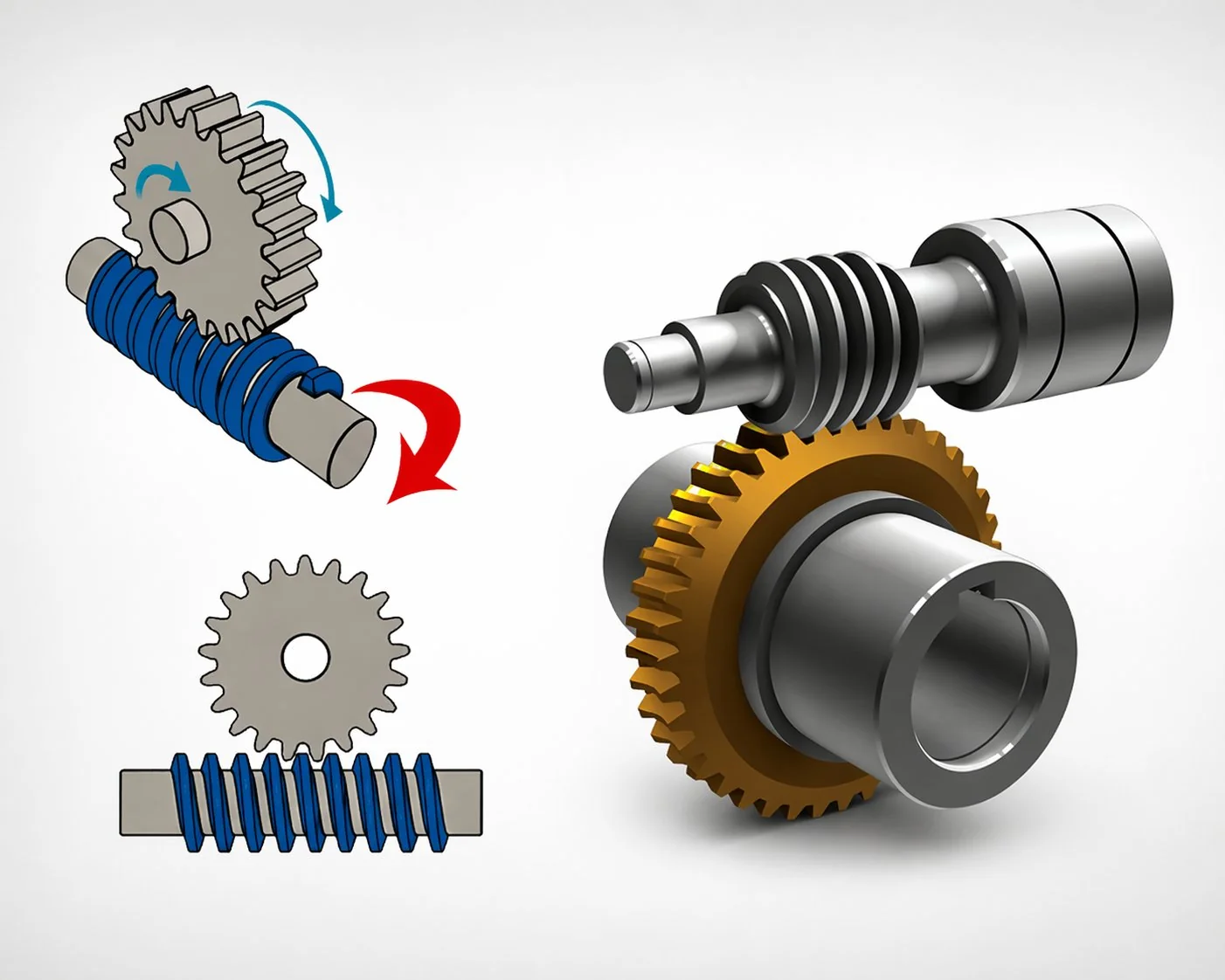
การเจียรและการขัดเงาแตกต่างจากการกัดและการกลึงในประเด็นพื้นฐานประการหนึ่ง คือ ความลึกของการตัดวัดเป็นไมโครเมตรหลักเดียว (1 ถึง 20 ไมโครเมตรต่อรอบ) แทนที่จะเป็นมิลลิเมตร ในระดับนี้ ความแตกต่างระหว่างการกำจัดวัสดุโดยเจตนาและความเสียหายของพื้นผิวที่เกิดจากการสั่นสะเทือนจะเลือนหายไป — การเคลื่อนที่ของการสั่นสะเทือน 5 ไมโครเมตร ณ จุดสัมผัสจะกำจัดวัสดุ 5 ไมโครเมตร ณ จุดสูงสุดของการสั่นสะเทือนและเป็นศูนย์ ณ จุดต่ำสุด ทำให้เกิดความไม่เรียบของพื้นผิวเท่ากับแอมพลิจูดของการสั่นสะเทือน พื้นผิวที่ผ่านการกลึงจึงกลายเป็นบันทึกของแหล่งกำเนิดการสั่นสะเทือนทุกแหล่งในเครื่องจักร
ชุดเฟืองตัวหนอนเป็นหนึ่งใน 5 ถึง 8 แหล่งกำเนิดการสั่นสะเทือนในเครื่องเจียรทั่วไป (แหล่งอื่นๆ ได้แก่ ตลับลูกปืนแกนล้อเจียร ความไม่สมดุลของล้อเจียร ปั๊มไฮดรอลิก ปั๊มน้ำหล่อเย็น และฐานเครื่อง) แต่ละแหล่งต้องอยู่ในงบประมาณการสั่นสะเทือนที่กำหนดไว้ เพื่อให้ผลรวมทั้งหมดต่ำกว่าเกณฑ์คุณภาพพื้นผิว การสั่นสะเทือนของชุดเฟืองตัวหนอนเกิดจากสองกลไก ได้แก่ การกระตุ้นความถี่การเข้าคู่ (การเข้าคู่ของฟันเฟืองเป็นระยะๆ ขณะที่ตัวหนอนหมุน) และข้อผิดพลาดในการส่งกำลัง (ความแปรผันเล็กน้อยในความเร็วเอาต์พุตต่อการหมุนหนึ่งรอบเนื่องจากความไม่สมบูรณ์ของรูปทรงเรขาคณิตของฟันเฟือง)
การเสียดสีแบบเลื่อนไปมาของเกลียวตัวหนอนแต่ละเส้นกับฟันของล้อทำให้เกิดแรงเป็นคาบที่ความถี่การเข้าคู่กัน (ความเร็วรอบของตัวหนอนสำหรับการสตาร์ทครั้งเดียว) แรงนี้จะกระตุ้นโครงสร้างของเครื่องจักร พื้นผิวฟันที่เรียบกว่า (ค่า Ra ต่ำกว่า) จะช่วยลดความแรงของการกระตุ้น ซึ่งเป็นเหตุผลหลักที่ระบุให้ใช้ตัวหนอนที่ผ่านการขัดเงาในเครื่องเจียร
ความไม่สมบูรณ์ของรูปทรงฟันเฟืองทำให้ความเร็วรอบของชิ้นงานเปลี่ยนแปลงเล็กน้อยในแต่ละรอบ ซึ่งเป็นความแปรผันระดับไมโครที่เรียกว่าข้อผิดพลาดในการส่งกำลัง ความแปรผันนี้ส่งผลโดยตรงต่อความเร็วของแท่นหมุน ทำให้เกิดความไม่เรียบของพื้นผิวชิ้นงานในช่วงที่เฟืองตัวหนอนหมุน มาตรฐาน DIN ระดับ 3 ถึง 4 ช่วยลดข้อผิดพลาดในการส่งกำลังให้น้อยที่สุด
หากความถี่ของเฟืองตรงกับความถี่เรโซแนนซ์ของโครงสร้างเครื่องจักร (ช่วง 10 ถึง 200 เฮิรตซ์) แม้แต่แรงกระตุ้นเพียงเล็กน้อยก็สามารถสร้างการสั่นสะเทือนขนาดใหญ่ที่จุดสัมผัสการเจียรได้ การเปลี่ยนความเร็วรอบของเฟืองตัวหนอนขึ้นลง 5 ถึง 10 เปอร์เซ็นต์ สามารถทำให้ความถี่ของเฟืองเบี่ยงเบนออกจากความถี่เรโซแนนซ์ได้ ซึ่งเป็นการปรับแต่งที่ไม่ต้องเปลี่ยนแปลงฮาร์ดแวร์ใดๆ
การวิเคราะห์ความสัมพันธ์ระหว่างการสั่นสะเทือนกับคุณภาพพื้นผิว — ตั้งแต่หน่วยมิลลิเมตรต่อวินาทีที่ตะแกรง ไปจนถึงค่าความหยาบผิวระดับไมโครเมตร (Ra) บนชิ้นงาน
ความสัมพันธ์ระหว่างการสั่นสะเทือนของเฟืองตัวหนอนกับความหยาบของพื้นผิวที่เจียรขึ้นอยู่กับแอมพลิจูดของการสั่นสะเทือน เส้นทางการถ่ายทอดโครงสร้างจากตัวเรือนเฟืองไปยังจุดสัมผัสการเจียร และพารามิเตอร์ของกระบวนการเจียร (ความเร็วของล้อเจียร ความลึกของการตัด สารหล่อเย็น) ฟังก์ชันการถ่ายทอดจะแตกต่างกันไปตามการออกแบบเครื่องจักร แต่ข้อมูลเชิงประจักษ์จากเครื่องเจียรพื้นผิวและเครื่องเจียรทรงกระบอกหลายประเภทแสดงให้เห็นถึงกฎทั่วไปที่สอดคล้องกัน: การสั่นสะเทือนของเฟืองตัวหนอนที่ระดับ RMS 0.01 มม./วินาที จะทำให้ค่า Ra ของพื้นผิวชิ้นงานเพิ่มขึ้นประมาณ 0.02 ถึง 0.05 ไมโครเมตร
ตารางแสดงลำดับขั้นความแม่นยำ: หนอนกัดแบบมีร่องที่ค่า Ra 1.6 µm จะทำให้เกิดความหยาบผิว 0.16 ถึง 0.75 µm จากการสั่นสะเทือนเพียงอย่างเดียว ซึ่งทำให้ไม่เหมาะสำหรับการเจียรใดๆ (เพราะจะเกินค่าความหยาบผิวที่ต้องการก่อนที่ล้อเจียรจะสัมผัสกับชิ้นงานด้วยซ้ำ) หนอนเจียรแบบขัดเรียบที่ค่า Ra 0.4 µm เหมาะสำหรับการเจียรแบบไร้ศูนย์กลางและการเจียรผิวหยาบในระดับอุตสาหกรรม หนอนเจียรแบบขัดเงาที่ค่า Ra 0.2 µm ใช้สำหรับการเจียรผิวละเอียดและการเจียรทรงกระบอก หนอนเจียรแบบขัดละเอียดพิเศษที่ค่า Ra 0.1 µm สงวนไว้สำหรับการขัดเงาทางแสงและกระบวนการผลิตเซมิคอนดักเตอร์ที่ต้องการความหยาบผิวต่ำกว่า 0.1 µm
ผู้ผลิตเครื่องเจียรผิวละเอียดจากเกาหลีได้รับข้อร้องเรียนจากลูกค้าผู้ผลิตตลับลูกปืนว่า พื้นผิวตลับลูกปืนที่ผ่านการเจียรมีลักษณะเป็นคลื่นเป็นระยะๆ ด้วยความถี่ที่ไม่สอดคล้องกับความเร็วรอบของล้อเจียร ความเร็วรอบของหัวเจียร หรือความถี่ของปั๊มไฮดรอลิก ความยาวของคลื่นอยู่ที่ 0.42 มม. ซึ่งตรงกับระยะการเคลื่อนที่ของแท่นต่อการหมุนของเฟืองตัวหนอนที่อัตราการป้อนที่กำหนด (อัตราส่วนของเฟืองตัวหนอน 30:1 ระยะห่างของสกรูนำ 5 มม. การหมุนของเฟืองตัวหนอนหนึ่งรอบ = ระยะการเคลื่อนที่ของแท่น 0.167 มม. × 2.5 รอบการเจียรต่อการหมุนของเฟืองตัวหนอนที่ความเร็วรอบที่กำหนด = รูปแบบพื้นผิว 0.42 มม.) เฟืองตัวหนอนได้รับการเปลี่ยนใหม่ระหว่างการซ่อมบำรุงครั้งล่าสุดด้วยเฟืองตัวหนอนที่เจียรแล้วที่ค่า Ra 0.35 µm ซึ่งตรงตามข้อกำหนดการซื้อที่ "Ra ต่ำกว่า 0.4 µm" อย่างไรก็ตาม การวัดการสั่นสะเทือนแสดงค่า 0.04 มม./วินาที ที่ความถี่การทำงานของเฟือง ซึ่งอยู่ที่ขอบเขตบนของช่วงที่ยอมรับได้สำหรับพื้นผิวสำเร็จเป้าหมาย Ra 0.2 µm บนวงแหวนตลับลูกปืน เฟืองตัวหนอนที่ติดตั้งมาจากโรงงานเดิมได้รับการขัดเงาจนได้ค่า Ra 0.18 µm โดยมีการสั่นสะเทือน 0.012 mm/s วิธีแก้ไข: เฟืองตัวหนอนตัวใหม่ได้รับการขัดเงาจนได้ค่า Ra 0.15 µm (ค่าใช้จ่ายเพิ่มเติม 35 USD) การสั่นสะเทือนลดลงเหลือ 0.008 mm/s และลักษณะเป็นคลื่นเป็นระยะๆ ก็หายไป บทเรียน: ข้อกำหนดของเฟืองตัวหนอนในเครื่องเจียรควรระบุขีดจำกัดการสั่นสะเทือนที่ความถี่การเข้าคู่ (mm/s RMS) นอกเหนือจากค่าความเรียบผิว Ra ด้วย เพราะเฟืองตัวหนอนสองตัวที่มีค่า Ra เท่ากันอาจสร้างระดับการสั่นสะเทือนที่แตกต่างกันได้ เนื่องจากความแตกต่างในความแม่นยำของรูปทรงฟัน ซึ่งค่า Ra ไม่สามารถวัดได้
ความเสถียรของความเร็ว — การกำจัดวัสดุที่สม่ำเสมอในทุกขั้นตอนการเจียร
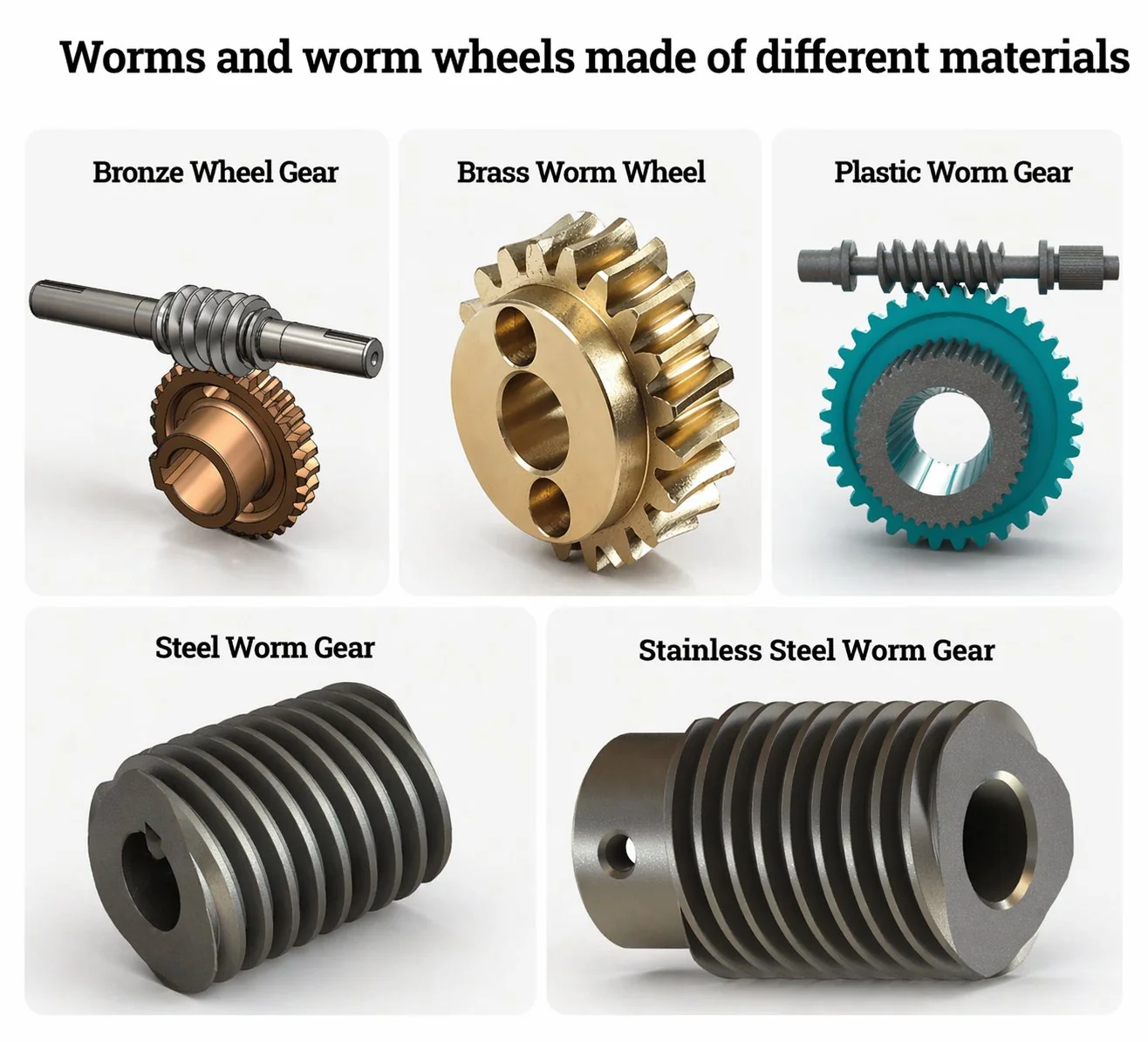
นอกเหนือจากการสั่นสะเทือนแล้ว ชุดเฟืองต้องให้ความเร็วเอาต์พุตที่สม่ำเสมอ เนื่องจากอัตราการกำจัดวัสดุในการเจียรเป็นสัดส่วนโดยตรงกับความเร็วในการป้อนของแท่น หากการป้อนเปลี่ยนแปลงไป 2 เปอร์เซ็นต์ระหว่างการป้อนขวาง ความลึกของการตัดก็จะเปลี่ยนแปลงไป 2 เปอร์เซ็นต์ ทำให้เกิดข้อผิดพลาดของรูปทรงที่อาจเกินค่าความคลาดเคลื่อนทั้งหมดของชิ้นส่วนที่ผ่านการเจียรอย่างแม่นยำ ความเสถียรของความเร็วภายในบวกหรือลบ 0.5 เปอร์เซ็นต์ ต้องใช้รูปทรงฟันเฟือง DIN คลาส 4 หรือดีกว่า โดยมีข้อผิดพลาดในการส่งกำลังต่ำกว่า 5 อาร์คเซคอนด์แบบพีคต่อพีค ซึ่งเป็นระดับความแม่นยำเดียวกับข้อกำหนดของแท่นหมุน CNC (มาตรา A22) แต่ด้วยเหตุผลการใช้งานที่แตกต่างกัน คือ ความแม่นยำของตำแหน่งเทียบกับความสม่ำเสมอของการป้อน
กล่องเฟืองตัวหนอนคู่สำหรับเครื่องเจียรและขัดเงา 3 กล่อง
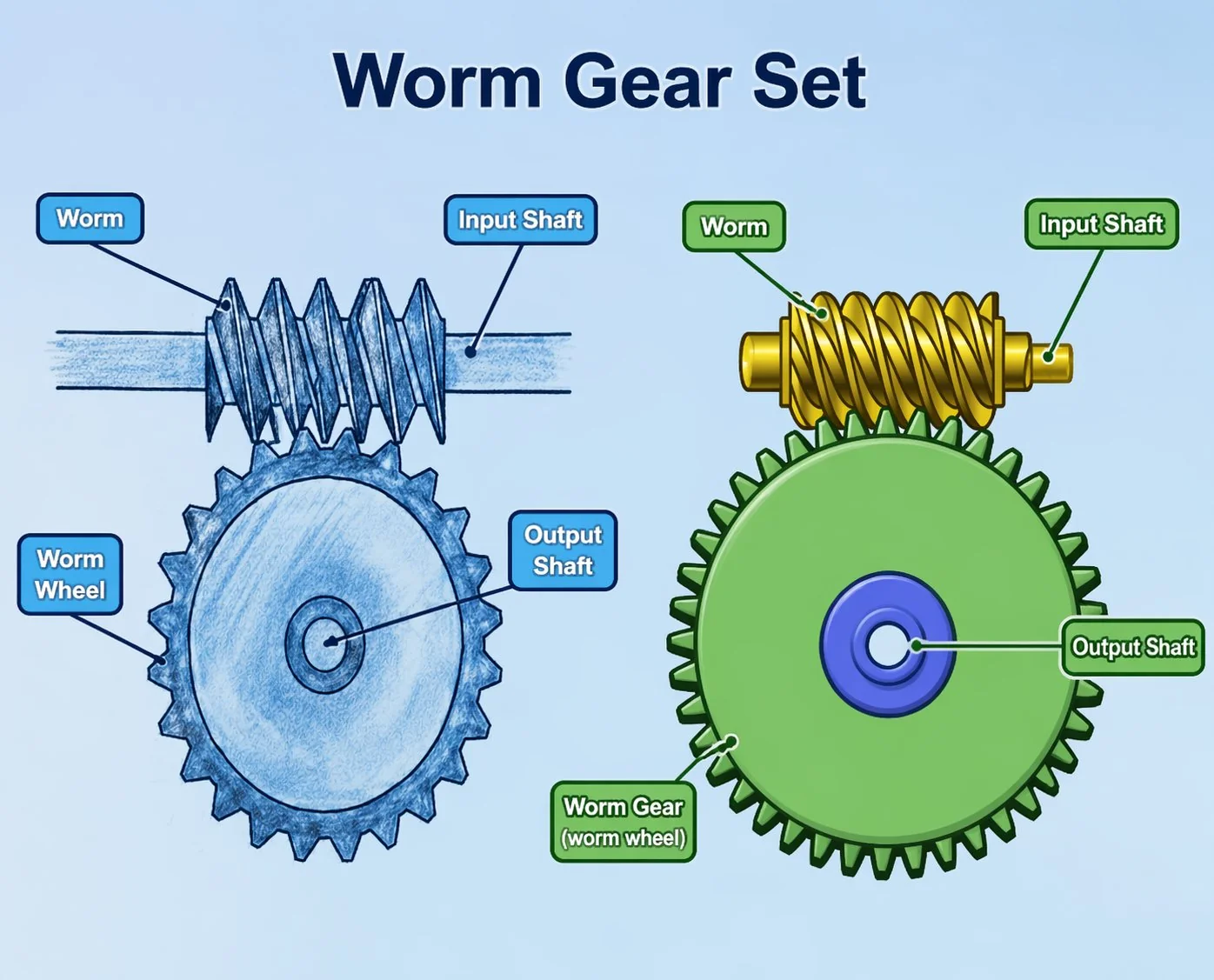
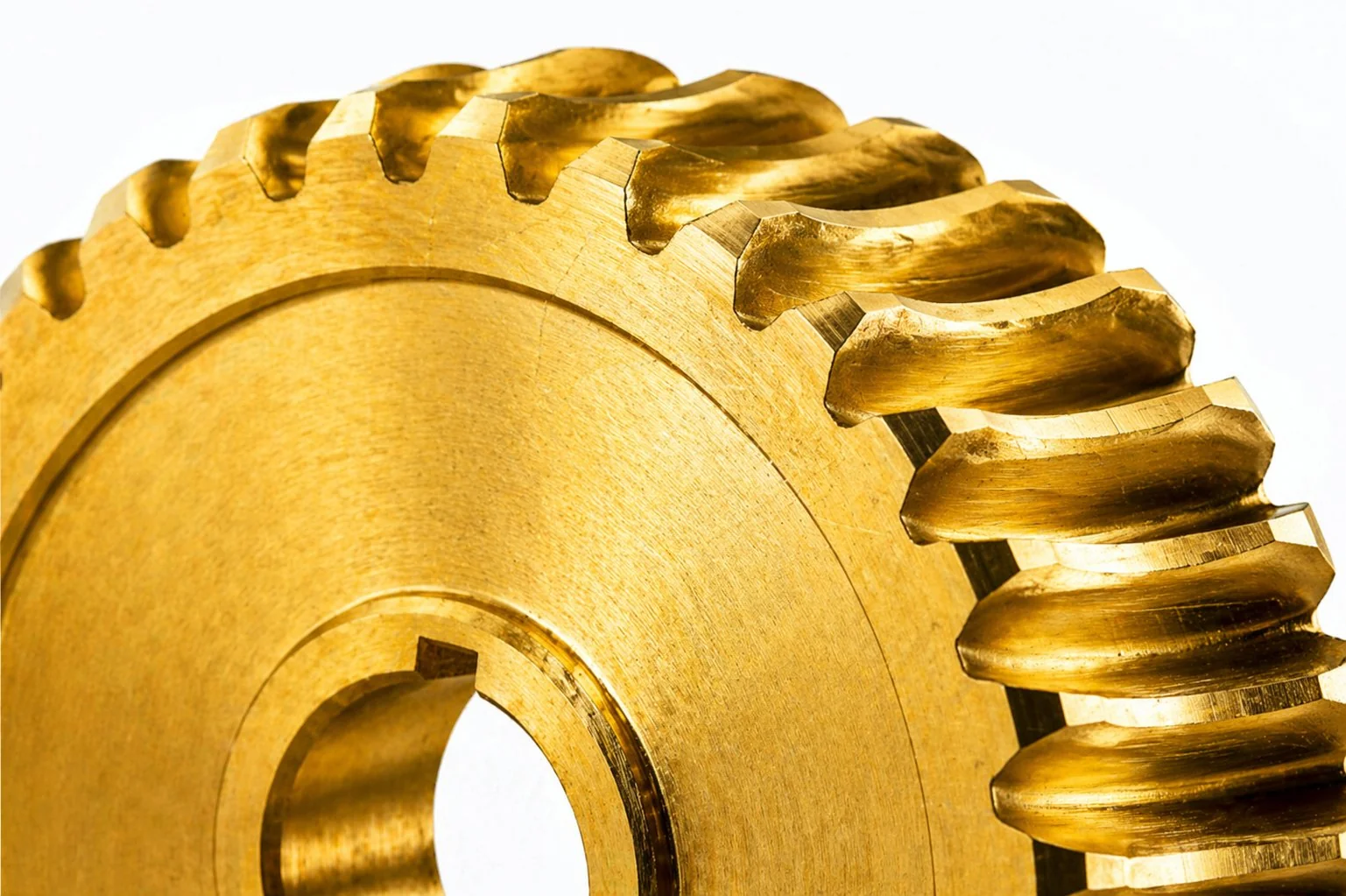
กรณีที่ 1 — เครื่องเจียรผิวละเอียดจากเกาหลี: เป้าหมาย Ra 0.2 µm, การใช้งานกับรางลูกปืน
ผู้ผลิตเครื่องเจียรผิวเรียบจากเกาหลีระบุชุดเฟืองตัวหนอนสำหรับระบบขับเคลื่อนการป้อนชิ้นงานตามแนวยาวของเครื่องเจียรผิวเรียบความแม่นยำสูงที่ใช้สำหรับการขัดผิวรางลูกปืน ค่าความหยาบผิวเป้าหมาย: Ra 0.2 µm ขนาดโต๊ะ: 600 × 300 มม. อัตราการป้อน: 1 ถึง 15 ม./นาที (การเคลื่อนที่แบบไฮดรอลิกพร้อมดัชนีการป้อนขวางที่ขับเคลื่อนด้วยเฟืองตัวหนอน) ชุดเฟืองตัวหนอนสำหรับดัชนีการป้อนขวาง: แบบขึ้นเดี่ยว โมดูล 1.5 ระยะห่างศูนย์กลาง 30 มม. อัตราส่วน 30:1 ค่า Ra หลังการขัด 0.15 µm ระดับความแม่นยำ DIN คลาส 4 การสั่นสะเทือนที่ความถี่การเข้าคู่: 0.008 มม./วินาที RMS (ตรวจสอบโดยเครื่องวัดความเร่งระหว่างการทดสอบการยอมรับจากโรงงาน) ค่า Ra ที่เกิดจากการสั่นสะเทือนของเฟือง: ประมาณ 0.02 µm — คิดเป็น 10 เปอร์เซ็นต์ของงบประมาณ 0.2 µm วัสดุ: เฟืองตัวหนอน 18CrNiMo7-6 ชุบแข็ง, HRC 60, ล้อหล่อแบบเหวี่ยงหนีศูนย์กลางทำจากทองสัมฤทธิ์ฟอสฟอรัส การหล่อลื่น: น้ำมันแกนหมุน ISO VG 32 (ใช้ร่วมกับรางเลื่อนของโต๊ะ) ราคาต่อคู่: 185 ดอลลาร์สหรัฐ เครื่องเจียรนี้ผลิตผิวแบริ่งที่มีค่า Ra 0.15 µm อย่างสม่ำเสมอ ซึ่งอยู่ในช่วงเป้าหมาย 0.2 µm อย่างสบายๆ
กรณีที่ 2 — เครื่องขัดเลนส์ออปติคอลของญี่ปุ่น: Ra 0.05 µm, เฟืองตัวหนอนขัดละเอียดพิเศษ, ผ่านการทดสอบการสั่นสะเทือน
ผู้ผลิตอุปกรณ์ทางแสงจากประเทศญี่ปุ่นได้กำหนดสเปคชุดเฟืองตัวหนอนสำหรับขับเคลื่อนแกนหมุนของเครื่องขัดเลนส์อัตโนมัติที่ใช้ในการผลิตเลนส์กล้องถ่ายภาพและกล้องจุลทรรศน์ โดยมีเป้าหมายความเรียบของพื้นผิวที่ 0.05 ไมโครเมตร (หนึ่งในสี่ของความยาวคลื่นของแสงที่มองเห็นได้) ชุดเฟืองตัวหนอนนี้ขับเคลื่อนแกนหมุนของเครื่องขัดด้วยความเร็ว 15 ถึง 60 รอบต่อนาที ในอัตราส่วน 40:1 ค่าความสั่นสะเทือนของระบบขับเคลื่อนต้องต่ำกว่า 0.003 มม./วินาที RMS ที่ความถี่การทำงานของเฟือง คุณสมบัติของชุดเฟืองตัวหนอน: แบบขึ้นด้านเดียว โมดูล 1 ระยะห่างระหว่างศูนย์กลาง 25 มม. อัตราส่วน 40:1 ความเรียบผิว Ra 0.08 ไมโครเมตร มาตรฐานความแม่นยำ DIN ระดับ 2 แต่ละคู่ได้รับการทดสอบความสั่นสะเทือนแยกกันบนแท่นทดสอบเฉพาะในช่วงความเร็วเป้าหมาย คู่ที่มีค่าความสั่นสะเทือนเกิน 0.003 มม./วินาที จะถูกคัดออก (อัตราการคัดออกประมาณ 15 เปอร์เซ็นต์ ซึ่งสะท้อนถึงค่าความคลาดเคลื่อนที่ยอมรับได้สูงมาก) วัสดุ: เฟืองตัวหนอนไนไตรด์ 31CrMoV9, ความแข็งผิว HRC 62, หล่อขึ้นรูปด้วยแรงเหวี่ยงผสมแอนติโมนี (คุณสมบัติการใช้งานที่ดีเยี่ยม ลดการสั่นสะเทือนในช่วงแรก) ราคาต่อคู่: 680 USD (รวมใบรับรองการทดสอบการสั่นสะเทือนแต่ละชิ้น) ดูรายละเอียดเพิ่มเติม ระบบขับเคลื่อนเฟืองตัวหนอนที่มีการสั่นสะเทือนต่ำ ตัวเลือกสำหรับการเจียรละเอียดและการขัดเงาเชิงแสง
กรณีที่ 3 — เครื่องบดแบบไร้ศูนย์กลางของเวียดนาม: Ra 0.8 µm, เกลียวบด, ปริมาณการผลิต
ผู้ผลิตเครื่องมือกลชาวเวียดนามระบุชุดเฟืองตัวหนอนสำหรับระบบขับเคลื่อนล้อปรับความเร็วของเครื่องเจียรแบบไร้ศูนย์กลางที่ใช้ในการผลิตหมุดและเพลาเหล็ก ค่าความหยาบผิวเป้าหมาย: Ra 0.8 µm (เกรดอุตสาหกรรม) ความเร็วล้อปรับความเร็ว: 10 ถึง 40 รอบต่อนาที มอเตอร์: 0.75 kW ควบคุมด้วย VFD อัตราส่วน: 25:1 แรงบิดเอาต์พุต: 45 N·m ค่าความหยาบผิวเป้าหมาย Ra 0.8 µm ที่ผ่อนปรนลงทำให้สามารถใช้เฟืองตัวหนอนที่เจียรได้ที่ Ra 0.4 µm — การสั่นสะเทือนประมาณ 0.1 µm ใช้เพียง 12 เปอร์เซ็นต์ของงบประมาณ 0.8 µm การขัดผิวละเอียดไม่จำเป็นและจะเพิ่มต้นทุนของชุดเฟืองถึง 40 เปอร์เซ็นต์โดยไม่ได้รับประโยชน์ด้านคุณภาพที่วัดได้ในระดับความคลาดเคลื่อนนี้ ชุดเฟืองตัวหนอน: แบบขึ้นด้านเดียว โมดูล 2 ระยะห่างศูนย์กลาง 40 มม. ความแม่นยำ DIN ระดับ 6 วัสดุ: เฟืองตัวหนอนเหล็กกล้าคาร์บอนชุบแข็ง ล้อบรอนซ์ฟอสฟอรัส การป้องกันน้ำหล่อเย็น: ซีล EPDM IP55 พร้อมแผ่นกันกระเด็น (น้ำหล่อเย็นสำหรับการเจียรแบบไร้ศูนย์กลางจะถูกส่งไปยังบริเวณการเจียร ไม่ใช่ตัวขับ) ต้นทุนต่อคู่: 52 ดอลลาร์สหรัฐ การผลิตต่อปี: 200 เครื่องเจียรแบบไร้ศูนย์กลาง (200 คู่ต่อปี) ข้อกำหนดแสดงให้เห็นว่าคุณภาพของเฟืองตัวหนอนคู่ของเครื่องเจียรต้องตรงกับเป้าหมายของกระบวนการ — การขัดผิวละเอียดพิเศษให้กับเฟืองตัวหนอนสำหรับเครื่องเจียรแบบไร้ศูนย์กลางที่มีค่า Ra 0.8 µm จะทำให้ต้นทุนการขัดผิวเพิ่มเติมสูญเปล่าถึง 70 เปอร์เซ็นต์
คำถามที่พบบ่อย
ถาม: ฉันจะวัดปริมาณการสั่นสะเทือนของชุดเฟืองตัวหนอนในเครื่องเจียรที่มีอยู่ได้อย่างไร?
ติดตั้งเครื่องวัดความเร่งบนตัวเรือนเฟืองตัวหนอนและวัดสเปกตรัมการสั่นสะเทือนระหว่างการป้อนชิ้นงาน (ล้อเจียรไม่ได้ตัดชิ้นงาน — แยกการสั่นสะเทือนของระบบขับเคลื่อนออกจากการสั่นสะเทือนของกระบวนการ) ระบุจุดสูงสุดที่ความถี่การเข้าเกียร์ของเฟืองตัวหนอน (การเริ่มต้นครั้งเดียว: จุดสูงสุดที่ความเร็วรอบของเฟืองตัวหนอนในหน่วยเฮิร์ตซ์) เปรียบเทียบแอมพลิจูดของจุดสูงสุดนี้ (ในหน่วย mm/s RMS) กับตารางความสัมพันธ์ระหว่างการสั่นสะเทือนกับคุณภาพพื้นผิวเพื่อประมาณค่า Ra หากจุดสูงสุดเกินงบประมาณสำหรับคุณภาพพื้นผิวที่ต้องการ ให้เปลี่ยนเฟืองตัวหนอนเป็นแบบที่มีความละเอียดกว่า หรือปรับความเร็วป้อนเข้าของเฟืองตัวหนอนลง 5 ถึง 10 เปอร์เซ็นต์ เพื่อเลื่อนความถี่การเข้าเกียร์ให้ห่างจากความถี่เรโซแนนซ์ของโครงสร้าง
ถาม: วัสดุของชุดเฟืองตัวหนอนมีผลต่อการสั่นสะเทือนหรือไม่?
ใช่แล้ว วัสดุของล้อมีผลอย่างมาก ล้อบรอนซ์ช่วยลดการสั่นสะเทือนของตาข่ายด้วยการลดแรงสั่นสะเทือนภายในวัสดุ (บรอนซ์มีคุณสมบัติในการลดแรงสั่นสะเทือนสูงกว่าเหล็ก) ล้อ POM และ MC ไนลอนให้การลดแรงสั่นสะเทือนที่สูงกว่ามากถึง 3-5 เท่า แต่จำกัดอยู่ที่แรงบิดต่ำมาก (ต่ำกว่า 20 N·m) สำหรับเครื่องเจียรความแม่นยำที่แรงบิดปานกลาง (20 ถึง 80 N·m) บรอนซ์เป็นมาตรฐาน สำหรับการขัดเงาเลนส์ที่มีความแม่นยำสูงมากที่แรงบิดต่ำมาก (ต่ำกว่า 10 N·m) ล้อ POM สามารถลดเสียงรบกวนได้อีก 2-4 dB(A) และลดการสั่นสะเทือนได้อย่างเห็นได้ชัด แต่มีข้อเสียคืออายุการใช้งานของล้อสั้นลงและความแม่นยำในการกำหนดตำแหน่งลดลงเนื่องจากความไม่เสถียรของขนาดพลาสติก
ถาม: น้ำหล่อเย็นที่ใช้ในการเจียรจะทำให้เฟืองตัวหนอนเสียหายได้หรือไม่?
น้ำยาหล่อเย็นสำหรับการเจียร (โดยทั่วไปคือน้ำมันตัดที่ละลายน้ำได้ในความเข้มข้น 3 ถึง 8 เปอร์เซ็นต์) มีฤทธิ์กัดกร่อนปานกลางและมีเศษโลหะที่เกิดจากการเจียรอยู่ด้วย หากน้ำยาหล่อเย็นเข้าไปในเรือนเฟืองตัวหนอนผ่านซีลที่เสื่อมสภาพ จะเกิดปัญหาขึ้นสองประการ คือ ปริมาณน้ำจะทำให้สารหล่อลื่นในเพลาเกิดการอิมัลชัน (ลดประสิทธิภาพการหล่อลื่น) และอนุภาคเศษโลหะจะทำหน้าที่เป็นสารขัดเงาบนพื้นผิวฟันเฟือง (เร่งการสึกหรอและเพิ่มระยะคลอน) ผลที่ตามมาสามารถวัดได้ภายในไม่กี่เดือน คือ การสั่นสะเทือนเพิ่มขึ้นและคุณภาพพื้นผิวเสื่อมลง ซีล EPDM (ทนต่อน้ำยาหล่อเย็นที่ละลายน้ำได้) และการไล่อากาศที่ทางเข้าเพลาเป็นวิธีการป้องกันมาตรฐาน การวิเคราะห์น้ำมันทุก 6 เดือน (ปริมาณน้ำต่ำกว่า 0.05 เปอร์เซ็นต์ จำนวนอนุภาคต่ำกว่า ISO 18/16/13) จะช่วยตรวจสอบประสิทธิภาพของซีล
ถาม: เหตุใดจึงต้องระบุค่าการสั่นสะเทือน (มม./วินาที) เพิ่มเติมจากค่าความเรียบผิว (Ra) สำหรับเฟืองตัวหนอน?
ค่าความเรียบผิว Ra วัดค่าความหยาบเฉลี่ยของพื้นผิวเกลียวตัวหนอน ซึ่งบ่งบอกถึงความเรียบของพื้นผิวในระดับไมโครเรขาคณิต การสั่นสะเทือน (มม./วินาที ที่ความถี่การเข้าคู่กัน) วัดการกระตุ้นแบบไดนามิกที่คู่เฟืองตัวหนอนสร้างขึ้นระหว่างการหมุน ซึ่งบ่งบอกถึงความสั่นสะเทือนของเครื่องจักร เฟืองตัวหนอนสองตัวที่มีค่า Ra เท่ากันอาจสร้างระดับการสั่นสะเทือนที่แตกต่างกันได้ เนื่องจากการสั่นสะเทือนยังขึ้นอยู่กับความแม่นยำของรูปทรงฟัน ความแม่นยำของระยะนำ และความเป็นศูนย์กลาง ซึ่งเป็นพารามิเตอร์ที่ Ra ไม่สามารถวัดได้ สำหรับการใช้งานในการเจียร การกำหนดค่าการสั่นสะเทือนมีความเกี่ยวข้องกับคุณภาพของพื้นผิวสำเร็จรูปโดยตรงมากกว่าค่า Ra ของเฟืองตัวหนอนเพียงอย่างเดียว ควรระบุทั้งสองค่า: Ra สำหรับการควบคุมการผลิต และการสั่นสะเทือนสำหรับการตรวจสอบการทำงาน
ถาม: อายุการใช้งานโดยทั่วไปของชุดเฟืองตัวหนอนในเครื่องเจียรคือเท่าไร?
เครื่องเจียรทำงานประมาณ 2,000 ถึง 4,000 ชั่วโมงต่อปี โดยมีการป้อนชิ้นงานแบบไม่ต่อเนื่อง (ชุดเฟืองตัวหนอนทำงานเฉพาะจังหวะการป้อนขวาง ไม่ใช่ทำงานอย่างต่อเนื่อง) ที่ระดับการใช้งานนี้และแรงบิดต่ำซึ่งเป็นลักษณะเฉพาะของการเจียร (10 ถึง 80 นิวตันเมตร) ล้อเจียรบรอนซ์จะมีอายุการใช้งาน 8 ถึง 15 ปี ปัจจัยที่จำกัดอายุการใช้งานคือการเสื่อมสภาพจากการสั่นสะเทือนมากกว่าการคลายตัวของฟันเฟือง — เมื่อล้อเจียรสึกหรอ รูปแบบการสัมผัสจะเปลี่ยนไปและการกระตุ้นการทำงานของฟันเฟืองจะเพิ่มขึ้น เมื่อการสั่นสะเทือนที่ความถี่การทำงานของฟันเฟืองเพิ่มขึ้นเป็นสองเท่าของค่าเดิม คุณภาพพื้นผิวจะเริ่มเสื่อมลง ควรวางแผนเปลี่ยนล้อเจียรเมื่อการสั่นสะเทือนเพิ่มขึ้นเป็นสองเท่า — โดยทั่วไปจะอยู่ที่ 60 ถึง 70 เปอร์เซ็นต์ของอายุการใช้งานเชิงกลที่จำกัดโดยการคลายตัวของฟันเฟือง
เครื่องเจียรและเครื่องขัดเงาทำงานที่ระดับความแม่นยำสูงสุดของการผลิต และชุดเฟืองตัวหนอนที่ขับเคลื่อนแท่นหรือแกนหมุนเป็นหนึ่งในไม่กี่ชิ้นส่วนที่สามารถวัดลักษณะการสั่นสะเทือนได้โดยตรงบนพื้นผิวชิ้นงานที่เสร็จแล้ว การวิเคราะห์ความสัมพันธ์ระหว่างการสั่นสะเทือนกับคุณภาพพื้นผิว (การสั่นสะเทือนของเฟือง 0.01 มม./วินาที จะเพิ่มค่า Ra ของพื้นผิว 0.02 ถึง 0.05 ไมโครเมตร) แสดงให้เห็นว่าทำไมเฟืองตัวหนอนแบบกัดขึ้นรูปจึงใช้ไม่ได้สำหรับการเจียร เฟืองตัวหนอนแบบเจียรใช้สำหรับการเจียรในระดับอุตสาหกรรม เฟืองตัวหนอนแบบขัดเงาใช้สำหรับการเจียรที่ต้องการความแม่นยำ และเฟืองตัวหนอนแบบขัดละเอียดพิเศษใช้สำหรับการขัดเงาทางแสง ควรระบุขีดจำกัดการสั่นสะเทือนที่ความถี่ของเฟือง (มม./วินาที RMS) ควบคู่ไปกับค่าความเรียบของพื้นผิวเฟืองตัวหนอน (Ra µm) เพราะค่า Ra เพียงอย่างเดียวไม่สามารถทำนายประสิทธิภาพการสั่นสะเทือนได้ สำหรับผู้ผลิตเครื่องเจียร คุณสมบัติของชุดเฟืองตัวหนอนจะเป็นตัวกำหนดความเรียบของพื้นผิวที่ดีที่สุดที่เครื่องจักรสามารถทำได้ มันเป็นชิ้นส่วนที่กำหนดความสามารถของเครื่องจักร ไม่ใช่แค่เพียงองค์ประกอบขับเคลื่อนเท่านั้น
สำหรับผู้ผลิตเครื่องเจียรและเครื่องขัดเงา แผนกวิศวกรรมของเราจัดหาชุดเฟืองตัวหนอนพร้อมใบรับรองการทดสอบการสั่นสะเทือนเฉพาะบุคคลสำหรับการใช้งานที่ต้องการความแม่นยำสูง แคตตาล็อกมาตรฐาน ชุดเฟืองตัวหนอนความแม่นยำสูง รวมถึงพื้นผิวขัดเรียบ ขัดละเอียด และขัดเงาขั้นสูง ที่มีความแม่นยำตามมาตรฐาน DIN คลาส 2 ถึง 6 ส่งคำขอ ข้อกำหนดไดรฟ์บด โดยพิจารณาจากความหยาบของพื้นผิวเป้าหมาย ช่วงความเร็วของแท่น และงบประมาณด้านการสั่นสะเทือน
การระบุคู่เฟืองตัวหนอนสำหรับเครื่องเจียรหรือเครื่องขัดเงา?
ส่งข้อมูลค่าความหยาบผิวที่ต้องการ (Ra), ความเร็วของโต๊ะหรือแกนหมุน, งบประมาณการสั่นสะเทือน (ถ้าทราบ) และประเภทการเจียร (พื้นผิว, ทรงกระบอก, แบบไร้ศูนย์กลาง, แบบออปติคอล) เราจะแนะนำเกรดการตกแต่งผิวของตัวหนอน, ระดับ DIN และจัดหาใบรับรองการทดสอบการสั่นสะเทือนเฉพาะสำหรับงานที่ต้องการความแม่นยำสูง
บรรณาธิการ: Cxm