Korea Ever-Power · Guida all'ingegneria applicativa
Vite senza fine e ruota elicoidale per attrezzature di frantumazione e vagliatura per miniere.
Un frantumatore a mascelle che frantuma massi di granito da 400 mm genera picchi di coppia d'impatto da 4 a 6 volte superiori al valore medio in regime stazionario: carichi di picco che arrivano e scompaiono in 50 millisecondi. La coppia di ingranaggi a vite senza fine che aziona l'alimentatore del frantumatore si trova a 2 metri di distanza, assorbendo continuamente questi urti trasmessi per 6.000 ore all'anno, in una cava a cielo aperto a 200 chilometri dall'officina meccanica più vicina. Tolleranza agli urti, robustezza ambientale e facilità di manutenzione sul campo non sono optional, ma requisiti di sopravvivenza.
Parla con un ingegnere specializzato in sistemi di azionamento per miniere →
Nei frantumatori da miniera, nei vagli vibranti, negli alimentatori a griglia e nei sistemi di azionamento dei vagli a tamburo si utilizzano coppie di ingranaggi a vite senza fine in funzioni ausiliarie e di azionamento ausiliarie, dove convergono carichi d'impatto estremi, polveri abrasive e necessità di manutenzione in siti remoti. La tabella di classificazione del carico d'impatto mette in relazione la durezza del minerale (morbido, medio, duro, molto duro) con il tipo di frantumatore (a mascelle, a cono, a impatto, rotatorio) per determinare il corretto fattore di servizio d'impatto, che va da 2,0 per i frantumatori a cono per minerali teneri a 4,0 per i frantumatori a impatto per minerali duri. Questi fattori sono da 2 a 3 volte superiori ai fattori di shock trasmesso utilizzati negli impianti di cemento (articolo A25) perché i carichi d'impatto nelle miniere sono shock meccanici diretti derivanti dal contatto tra minerale e metallo, piuttosto che vibrazioni trasmesse attraverso le fondamenta. I siti minerari remoti richiedono intervalli di manutenzione prolungati (da 6 a 12 mesi tra le manutenzioni programmate), design degli alloggiamenti riparabili sul campo (involucro diviso, accesso alle ruote imbullonato) e programmi di analisi dell'olio che rilevino i problemi tra le ispezioni fisiche.
Dove le operazioni minerarie utilizzano ingranaggi a vite senza fine
I principali azionamenti del frantoio e del vaglio utilizzano motori ad accoppiamento diretto, trasmissioni a cinghia o riduttori elicoidali per la riduzione primaria ad alta velocità e alta potenza. Ma ogni circuito di frantumazione e vagliatura ha da 8 a 20 azionamenti ausiliari in cui le coppie di ingranaggi a vite senza fine sono standard: azionamenti dell'alimentatore a nastro che dosano il minerale nel frantoio, azionamenti del vibratore dell'alimentatore a griglia, azionamenti di rotazione del vaglio rotante, azionamenti di testa del nastro trasportatore, azionamenti della pompa di nebulizzazione per la soppressione delle polveri e meccanismi di pulizia della cavità del frantoio.
Questi riduttori ausiliari a vite senza fine condividono tre caratteristiche: coppia moderata (da 200 a 5.000 N·m), velocità da bassa a moderata (da 1 a 30 giri/min) ed esposizione ad ambienti estremi: polvere all'aria aperta, spruzzi d'acqua, temperature estreme e continui urti meccanici provenienti da macchinari di frantumazione adiacenti.
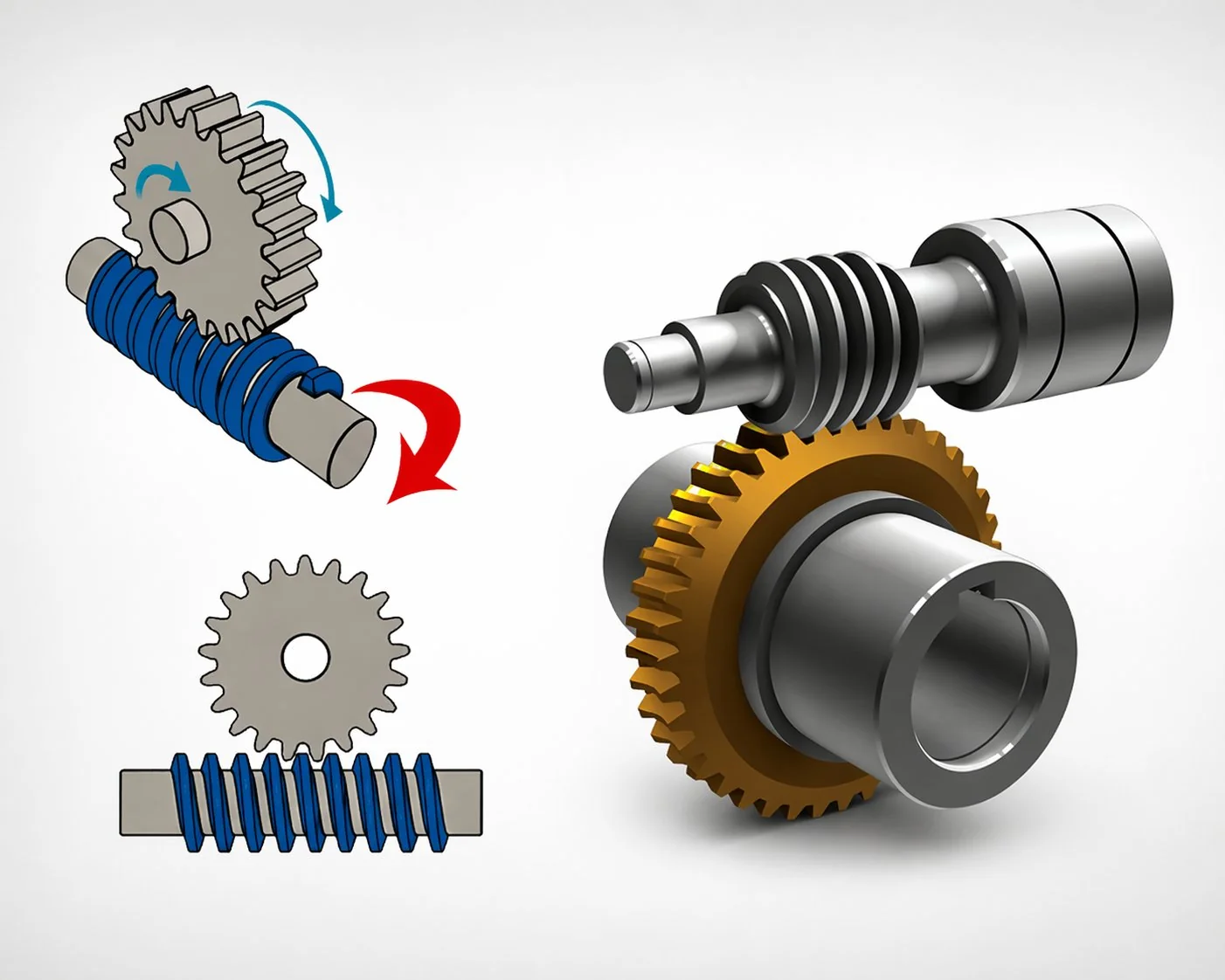
Classificazione del carico d'impatto: durezza del minerale × tipo di frantoio → fattore di servizio
I carichi d'impatto nelle attività minerarie differiscono dalle vibrazioni trasmesse negli impianti di cemento (articolo A25, SF 2.0-3.0) perché gli urti minerari hanno origine dal contatto diretto tra minerale e metallo all'interno del frantoio, producendo transitori acuti e di elevata ampiezza anziché vibrazioni continue di bassa ampiezza. La gravità dell'impatto dipende da due variabili: la durezza del minerale (che determina la forza di picco per impatto) e il tipo di frantoio utilizzato per la sua lavorazione (che determina la frequenza e la forma d'onda dell'impatto).
La tabella mostra che i frantumatori a impatto richiedono il fattore di servizio più elevato a ogni livello di durezza del minerale, perché utilizzano l'impatto del rotore ad alta velocità (velocità periferica da 60 a 80 m/s) anziché la compressione, producendo i transienti d'urto più bruschi. I vagli vibranti hanno i fattori più bassi perché il movimento del vaglio è controllato da pesi eccentrici: l'energia d'impatto viene dissipata nel letto di minerale anziché trasmessa all'azionamento. Una coppia di ingranaggi a vite senza fine con una coppia nominale di 2.000 N·m per un frantumatore a cono per minerali teneri (SF 2.0, valore nominale effettivo 1.000 N·m) dovrebbe essere dimensionata per 8.000 N·m per un frantumatore a impatto per minerali molto duri (SF 4.0, stesso valore di 2.000 N·m in regime stazionario), una differenza di quattro volte nelle dimensioni del telaio per lo stesso requisito di coppia nominale.
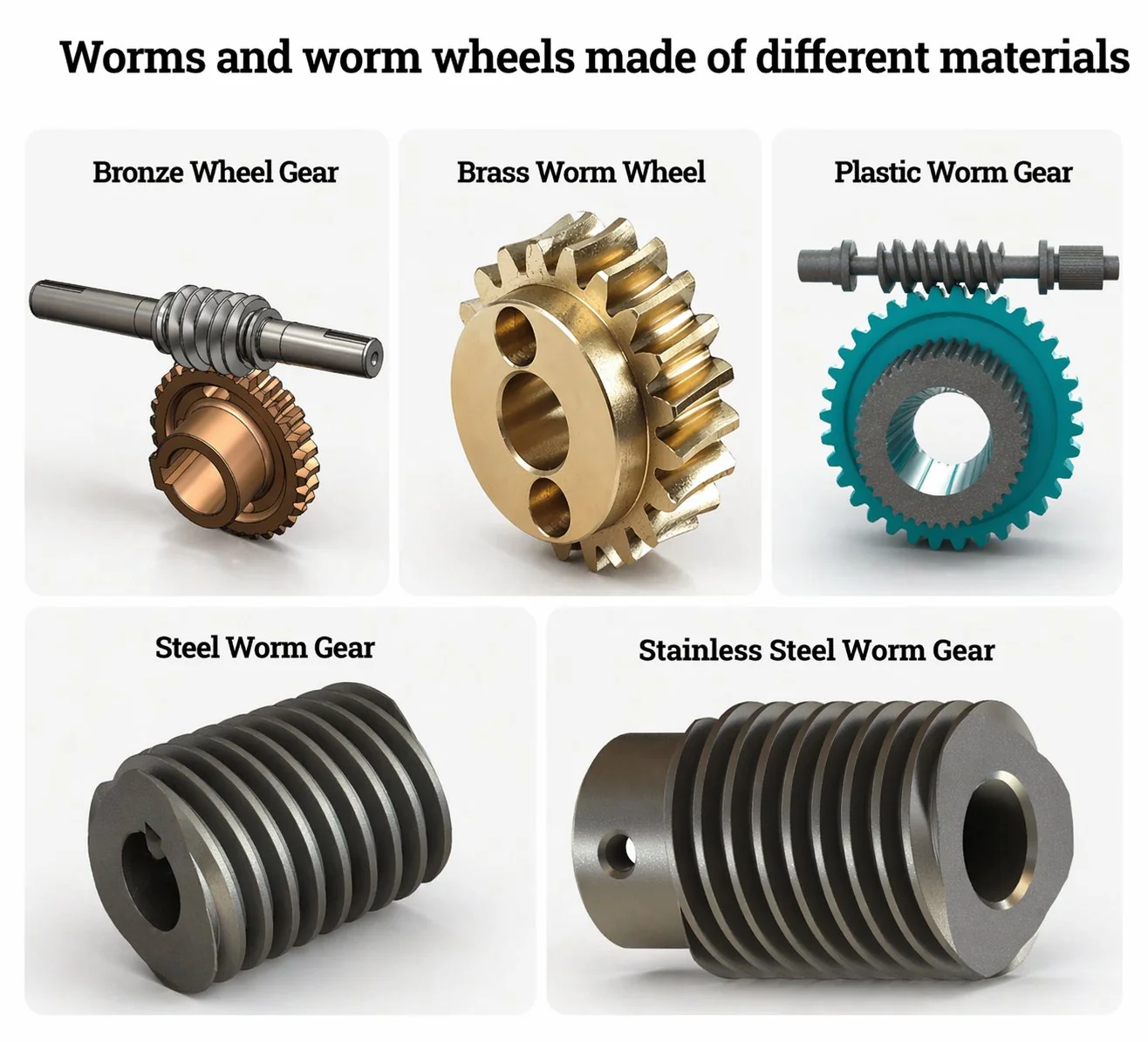
Manutenzione in località remote: intervalli prolungati e progettazione che consente riparazioni sul campo.
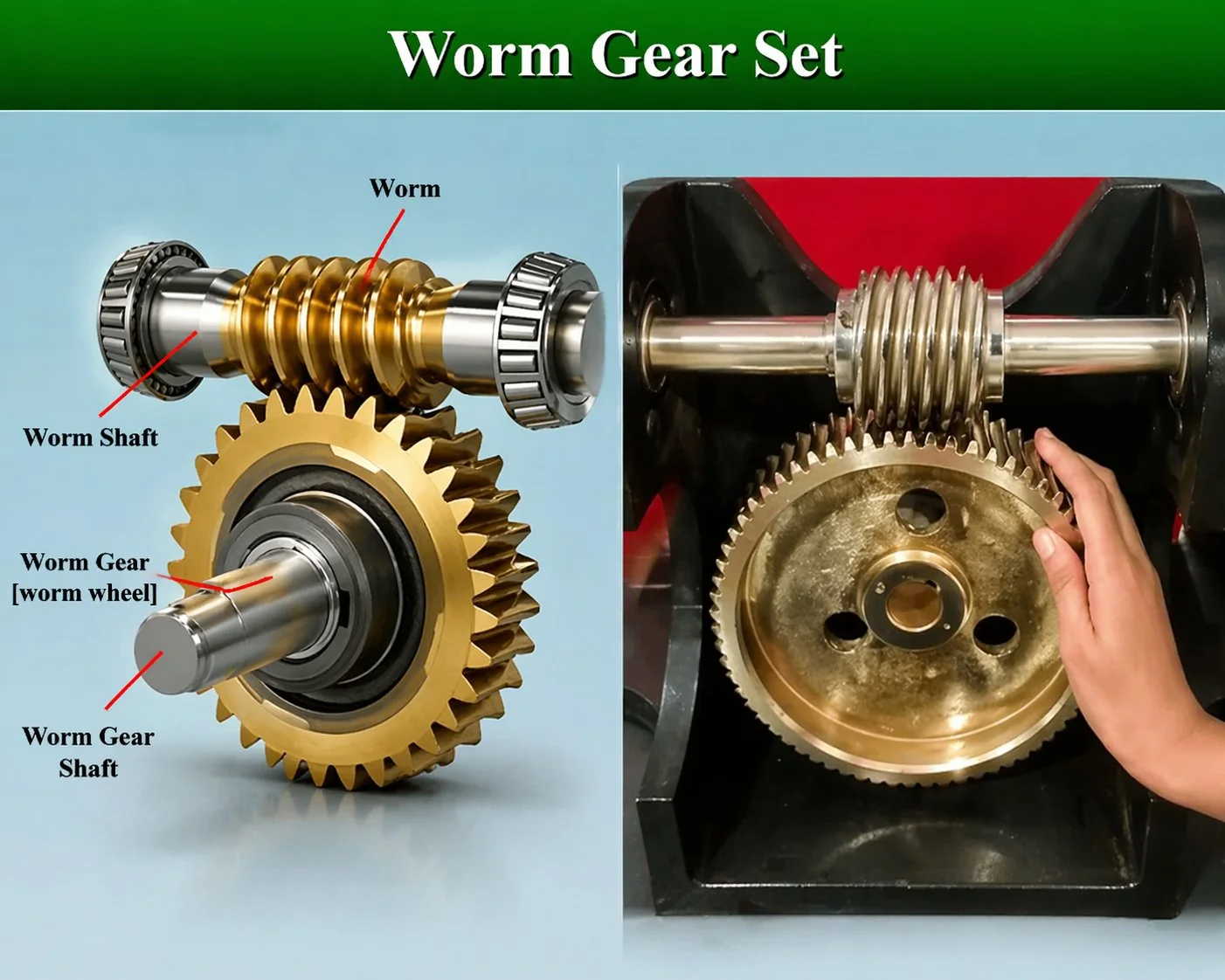
I siti minerari in Corea, Vietnam, Australia e Africa si trovano spesso a una distanza compresa tra 100 e 500 chilometri dall'officina meccanica più vicina in grado di riparare gli ingranaggi a vite senza fine. Il trasporto di un'unità di azionamento guasta in officina e il suo ritorno richiedono da 1 a 3 settimane, durante le quali l'ingranaggio a vite senza fine e il circuito di frantumazione rimangono spenti o funzionano in modalità bypass a capacità ridotta. Il costo di una sola settimana di fermo del frantoio (perdita di fatturato) supera in genere il costo dell'intero sistema di azionamento ausiliario di un fattore compreso tra 10 e 50.
Caratteristiche di progettazione pensate per la manutenzione sul campo. Le coppie di ingranaggi a vite senza fine per applicazioni minerarie includono alloggiamenti divisibili (l'alloggiamento si separa in due metà per l'ispezione e la sostituzione della ruota senza rimuovere l'unità dalla macchina), fissaggio della ruota tramite bulloni (la ruota può essere svitata dall'albero di uscita e sostituita sul campo con semplici utensili manuali), porte di scarico e riempimento dell'olio esterne (accessibili senza smontaggio) e tappi di scarico magnetici sovradimensionati (per catturare le particelle di metallo d'usura tra le analisi dell'olio). Queste caratteristiche aumentano il costo di produzione dell'alloggiamento dal 15 al 25%, ma consentono un risparmio da 10 a 50 volte superiore in termini di tempi di fermo macchina evitati in caso di riparazioni sul campo.
Analisi del petrolio come monitoraggio a distanza. Il campionamento trimestrale dell'olio e le analisi di laboratorio (contenuto di ferro, rame e stagno tramite spettrometria ICP) consentono di individuare precocemente l'usura accelerata, permettendo alla miniera di pianificare la sostituzione della ruota durante una finestra di manutenzione programmata anziché dover reagire a un guasto imprevisto. Il costo dell'analisi trimestrale dell'olio è di circa 80-120 dollari all'anno per ogni ruota, una cifra irrisoria rispetto al valore di produzione giornaliero di un circuito di frantumazione, che si aggira tra i 50.000 e i 200.000 dollari.
Una cava di inerti coreana, che utilizzava un circuito di frantumazione a mascelle con una capacità di 500 tonnellate all'ora, aveva specificato l'impiego di coppie di ingranaggi a vite senza fine per 4 azionamenti di alimentatori a grembiule. Il minerale estratto era calcare di media durezza (Mohs 4). La specifica iniziale prevedeva un fattore di sicurezza SF 1.5, lo standard per "urti moderati" indicato nel catalogo. Le coppie di ingranaggi a vite senza fine erano dimensionate per 3.000 N·m (2.000 N·m a regime × 1,5). Dopo 14 mesi di funzionamento, una delle quattro coppie si è guastata: un dente della ruota in bronzo si è fratturato alla base a causa della fatica da impatto. La cava ha dovuto fermare l'alimentatore per 3 giorni, in attesa della spedizione di un ricambio da Seoul (180 km). Perdita di produzione dovuta al guasto dell'ingranaggio a vite senza fine: circa 36.000 tonnellate × 8 USD di margine per tonnellata = 288.000 USD di mancati ricavi durante i 3 giorni di fermo. Causa principale: il fattore di sicurezza SF 1.5 era appropriato per le vibrazioni industriali generali, ma inadeguato per l'ambiente di impatto del frantoio a mascelle; il fattore corretto, secondo la tabella di classificazione dell'impatto, era SF 2.5 per minerali di media durezza con frantoio a mascelle. Riprogettazione a SF 2.5: coppie con portata nominale di 5.000 N·m (2.000 × 2.5). La dimensione del telaio è stata aumentata da 125 mm a 160 mm di distanza tra i centri. Costo per coppia di ricambio: 1.650 USD (contro 980 USD per la coppia sottodimensionata, con un aumento di 670 USD). Follow-up triennale sulle coppie riprogettate: zero guasti, zero fermi macchina non pianificati. Il costo di aggiornamento di 670 USD per coppia ha evitato perdite di produzione giornaliere pari a 288.000 USD, con un rapporto di ritorno di 430:1.
Tre casi di specifica per coppie di ingranaggi a vite senza fine per attrezzature minerarie
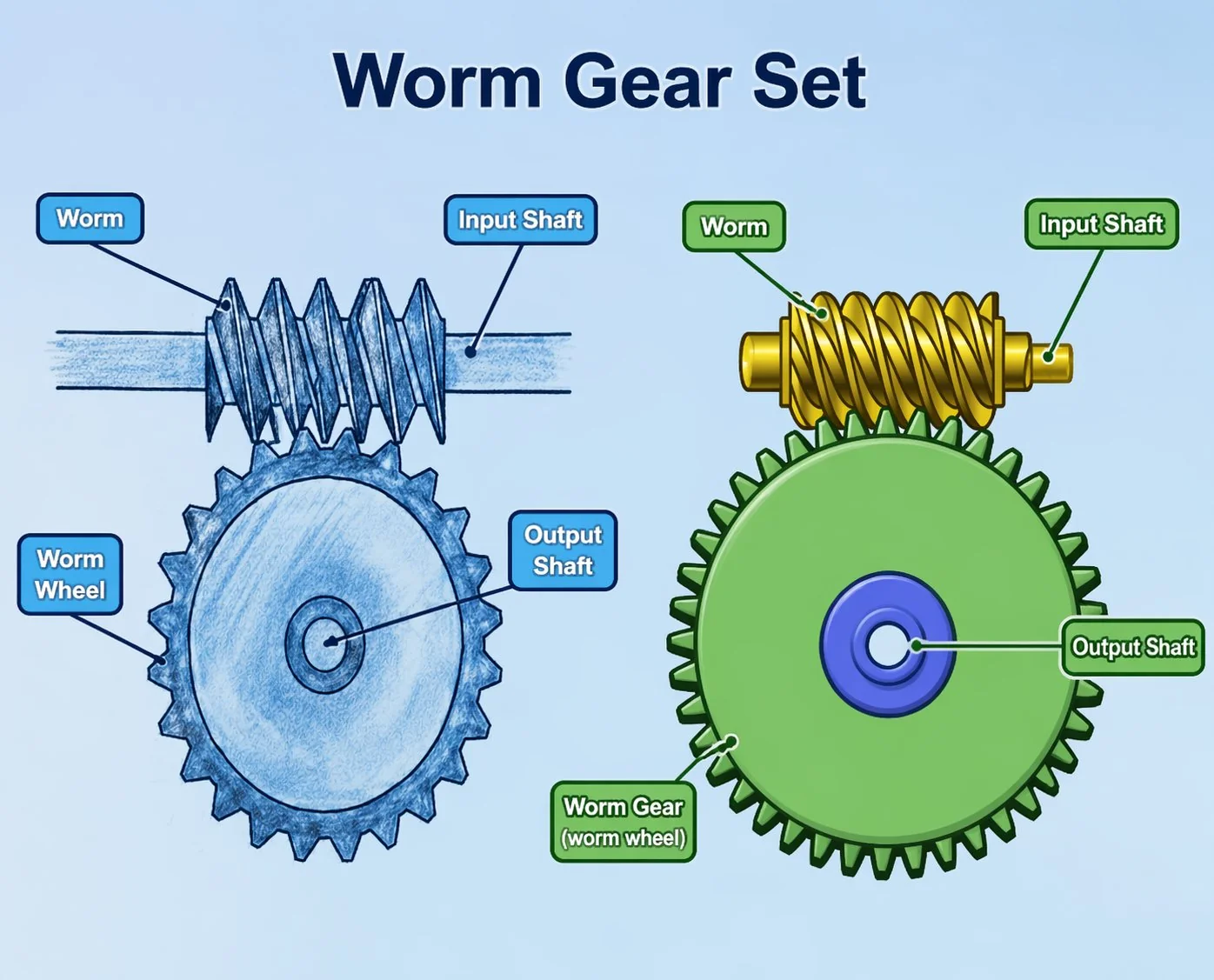
Caso 1 — Cava di inerti coreana: alimentatore a piastra per frantoio a mascelle, calcare, SF 2.5
Una cava di inerti coreana ha specificato coppie di ingranaggi a vite senza fine per 4 azionamenti a vite senza fine di alimentatori a grembiule che alimentano un frantoio a mascelle da 900 × 600 mm a 500 tonnellate all'ora. Minerale: calcare, Mohs 4 (medio). Velocità di alimentazione: 5 giri/min. Coppia a regime: 2.000 N·m. Fattore di impatto SF dalla tabella di classificazione: 2,5 (minerale medio × frantoio a mascelle). Valore nominale richiesto: 5.000 N·m. Coppia di ingranaggi a vite senza fine (rispecificata dopo il sottodimensionamento iniziale): a singolo inizio, modulo 6, interasse 160 mm, rapporto 40:1. Materiale: vite senza fine in acciaio legato temprato, ruota in bronzo fosforoso fuso centrifugamente. Alloggiamento: ghisa a cassa divisa con tappo di scarico magnetico. Tenuta: labirinto con zona tampone riempita di grasso (nessuna spurgo d'aria disponibile in posizione di alimentazione - nessuna fornitura di aria compressa). Olio: minerale EP ISO VG 460, sostituito ogni 6 mesi con analisi trimestrale dell'olio (spettrometria ICP per rame, ferro, stagno). Costo per coppia: 1.650 USD. Analisi trimestrale dell'olio: 30 USD a campione. Servizio triennale: zero guasti, andamento del rame stabile a 12 ppm (ben al di sotto del limite di intervento di 80 ppm).
Caso 2 — Miniera di rame sotterranea giapponese: azionamento del vaglio rotante, minerale umido, IP67
Una miniera di rame sotterranea giapponese ha specificato una coppia di ingranaggi a vite senza fine per l'azionamento della rotazione del vaglio rotante nel circuito di vagliatura primaria. Il vaglio rotante separava il minerale frantumato (meno di 150 mm) dalle particelle fini a 8 giri/min. Ambiente della miniera sotterranea: umidità relativa del 95%, gocciolamento di acqua di falda, temperatura da 28 a 35 gradi Celsius tutto l'anno. L'ambiente umido era più aggressivo rispetto all'ambiente polveroso delle miniere a cielo aperto: l'acqua trasportava solfato di rame disciolto (acido, pH da 3 a 4) che corrodeva rapidamente l'acciaio standard. Coppia di ingranaggi a vite senza fine: a singolo avviamento, modulo 5, interasse 125 mm, rapporto 30:1. Coppia a regime: 1.800 N·m. Fattore di impatto: 2,0 (minerale medio, equivalente a vaglio vibrante). Valore nominale richiesto: 3.600 N·m. Materiale: vite senza fine in acciaio inox 316L (resistente all'acqua acida delle miniere), ruota in bronzo all'alluminio. Tenuta: IP67 con labbro e labirinto in PTFE. Olio: PAG sintetico con additivo anticorrosivo per atmosfera acida. Costo per coppia: 2.400 USD. Scopri di più riduttore a vite senza fine per miniere opzioni per applicazioni minerarie sotterranee e a cielo aperto.
Caso 3 — Attività vietnamita di estrazione di nichel lateritico: vaglio vibrante, minerale tenero, ottimizzazione dei costi
Una miniera vietnamita di nichel lateritico ha specificato coppie di ingranaggi a vite senza fine per 6 azionamenti di vagli vibranti nel circuito di lavaggio del minerale. Il minerale lateritico è tenero (Mohs da 2 a 3, essenzialmente argilla e roccia decomposta) e viene lavorato a umido: il minerale viene impastato con acqua prima della vagliatura. Il carico d'impatto era minimo perché la laterite non produce impatti netti roccia-metallo. Fattore di prestazione (SF) dell'impatto del vaglio vibrante: 1,5 (minerale tenero, vaglio vibrante - il fattore più basso nella tabella di classificazione). Coppia a regime: 800 N·m. Valore nominale richiesto: 1.200 N·m. Coppia di ingranaggi a vite senza fine: a singolo avviamento, modulo 4, interasse 100 mm, rapporto 25:1. Materiale: vite senza fine zincata a caldo (adeguata per impasti di argilla lateritica umidi ma non acidi), ruota in bronzo fosforoso. Tenuta: IP55 con protezione antispruzzo (l'azionamento del vaglio era al di sopra del livello dell'impasto, riceveva schizzi ma non era immerso). Olio: minerale standard EP ISO VG 320, sostituito annualmente. Costo per coppia: 380 USD. Costo per 6 unità: 2.280 USD. La specifica dimostra che non tutte le applicazioni minerarie richiedono i fattori di servizio estremi e i materiali resistenti alla corrosione delle operazioni di estrazione di roccia dura: la lavorazione della laterite è meccanicamente delicata e chimicamente blanda rispetto alla frantumazione della roccia dura, e la specifica della coppia di ingranaggi a vite senza fine dovrebbe corrispondere alla severità effettiva piuttosto che basarsi sull'ipotesi peggiore per l'attività mineraria.
Domande frequenti
D: Come posso determinare il corretto fattore di servizio d'impatto per la mia specifica miniera?
Iniziate con la tabella di classificazione dell'impatto utilizzando la durezza del minerale (dai dati di indagine geologica o dal test di Mohs) e il tipo di frantoio. Quindi regolate in base alla distanza di installazione: se la coppia di ingranaggi a vite senza fine è montata direttamente sul telaio del frantoio (azionamento dell'alimentatore imbullonato al frantoio), utilizzate il fattore della tabella. Se montata su una fondazione separata da 2 a 5 metri dal frantoio, riducete di 0,5 (l'urto trasmesso si attenua con la distanza). Se montata su una fondazione condivisa con un mulino a sfere (come negli impianti di cemento, articolo A25), utilizzate invece il fattore di prossimità del mulino a sfere. In caso di dubbio, utilizzate il fattore più alto: il costo di un aumento delle dimensioni del telaio (dal 15 al 25 percento) è irrisorio rispetto al costo di un guasto imprevisto in una miniera remota.
D: Cosa rende un alloggiamento per ingranaggi a vite senza fine "riparabile sul campo"?
Quattro caratteristiche di progettazione: (1) Alloggiamento diviso: la metà superiore si svita per esporre la ruota senza rimuovere l'intera unità dal telaio della macchina; (2) Ruota imbullonata: la ruota è imbullonata alla flangia dell'albero di uscita anziché pressata, consentendo la rimozione con chiavi standard; (3) Porte dell'olio accessibili: porte di scarico e riempimento raggiungibili senza rimuovere protezioni o apparecchiature adiacenti; (4) Elementi di fissaggio standard: tutti i bulloni dell'alloggiamento sono esagonali metrici (nessun attrezzo speciale). Grazie a queste caratteristiche, un meccanico minerario qualificato può sostituire una ruota elicoidale usurata in 4-6 ore utilizzando utensili manuali disponibili in qualsiasi officina mineraria, rispetto a 1-3 settimane per la spedizione dell'unità a un centro esterno.
D: In che modo la polvere mineraria differisce dalla polvere di cemento per quanto riguarda i suoi effetti sulle coppie di ingranaggi a vite senza fine?
La polvere mineraria varia a seconda del tipo di minerale: la polvere di roccia ricca di silice (granito, quarzite) è estremamente abrasiva ma chimicamente neutra (pH da 6 a 7). La polvere dei forni per cemento (articolo A25) è moderatamente abrasiva ma fortemente alcalina (pH 12). L'effetto di abrasione meccanica è simile: entrambi i tipi agiscono come pasta abrasiva se penetrano nell'involucro. L'effetto chimico è diverso: la polvere di cemento attacca le guarnizioni in gomma attraverso la degradazione alcalina, mentre la polvere di silice non lo fa. Tuttavia, alcune polveri minerarie (minerali di solfuro di rame, solfuro di ferro) generano acque di deflusso acide che attaccano l'acciaio e il bronzo, richiedendo gli stessi aggiornamenti dei materiali (acciaio inossidabile 316L, bronzo all'alluminio) dell'ambiente alcalino del cemento, ma per ragioni chimiche opposte.
D: È opportuno tenere a disposizione nel sito minerario delle coppie di ingranaggi a vite senza fine di ricambio?
Per le miniere situate a più di 100 km da un fornitore: sì, è consigliabile tenere in magazzino almeno una ruota di scorta per ogni dimensione di trasmissione critica e una coppia completa di scorta per la trasmissione più critica (in genere l'alimentatore primario del frantoio). Il costo di una coppia di ingranaggi a vite senza fine di scorta (valore di magazzino da 1.000 a 3.000 USD) è inferiore all'1% del fatturato perso durante un singolo giorno di fermo del frantoio (da 50.000 a 200.000 USD). Per i modelli con alloggiamento scomponibile riparabile sul campo, è sufficiente tenere in magazzino solo la ruota in bronzo (anziché la coppia completa) perché la vite senza fine in acciaio si guasta raramente, riducendo il costo di magazzino dei ricambi del 60-70%.
D: Qual è la durata di vita tipica di una coppia di ingranaggi a vite senza fine per macchine da miniera?
Con un corretto fattore di servizio d'impatto e protezione dalla polvere: da 4 a 8 anni con 4.000-6.000 ore all'anno per circuiti di frantumazione di minerali duri, da 6 a 12 anni per applicazioni di vagliatura e lavorazione di minerali teneri. La vite senza fine in acciaio dura da 8 a 15 anni e oltre. Il fattore limitante la durata è quasi sempre la ruota in bronzo: la fatica da impatto alla base del dente produce microfratture che si propagano nel corso di milioni di cicli di carico fino alla frattura del dente. L'analisi dell'olio, che monitora l'andamento del contenuto di rame, fornisce un preavviso di 6-12 mesi prima del cedimento della ruota, consentendo una sostituzione programmata durante una finestra di manutenzione pianificata anziché una riparazione di emergenza non pianificata.
Le coppie di ingranaggi a vite senza fine per frantumazione e vagliatura in ambito minerario operano sotto i carichi d'impatto più severi di qualsiasi altra applicazione in questa serie, con fattori di servizio da 2,0 a 4,0, ovvero da 2 a 3 volte superiori ai fattori industriali standard. La tabella di classificazione del carico d'impatto mette in relazione la durezza del minerale con il tipo di frantumatore per determinare il fattore corretto, prevenendo errori di sottodimensionamento che causano fratture catastrofiche dei denti sul campo e perdite di produzione che superano il costo dell'azionamento di un fattore da 100 a 400. Le miniere remote richiedono design dell'alloggiamento riparabili sul campo (carter diviso, ruota imbullonata) e programmi di monitoraggio dell'analisi dell'olio che rilevino i guasti in fase di sviluppo tra un'ispezione fisica e l'altra. Le specifiche devono corrispondere all'effettiva combinazione di minerale e frantumatore: l'utilizzo di un fattore generico per ingranaggi a vite senza fine "per impieghi minerari" comporta uno spreco di budget (sovradimensionamento per minerali teneri) o causa guasti (sottodimensionamento per frantumatori a impatto per minerali duri).
Per i produttori di attrezzature minerarie e i team di manutenzione delle miniere, il nostro ufficio tecnico classifica la gravità dell'impatto e raccomanda la dimensione del telaio, il materiale e la configurazione di assistenza sul campo più adatti. Catalogo standard set di ingranaggi a vite senza fine per impieghi gravosi copriamo dimensioni di miniera da 100 a 250 mm di distanza tra i centri con alloggiamento diviso e opzioni riparabili sul campo. Invia una Specifiche del drive di mining con il tipo di minerale, il tipo di frantoio, la distanza di installazione dal frantoio e se è richiesta la capacità di riparazione in loco.
Come specificare le coppie di ingranaggi a vite senza fine per attrezzature minerarie o da cava?
Inviaci il tipo e la durezza del minerale, il tipo di frantoio/vaglio, la distanza di installazione dal frantoio, l'ubicazione della miniera (per la pianificazione della manutenzione) e se è necessaria la capacità di riparazione in loco con alloggiamento separato. Classificheremo la gravità dell'impatto e ti consiglieremo le dimensioni del telaio, il materiale e il programma di manutenzione.
Redattore: Cxm