دليل هندسة التطبيقات لشركة كوريا إيفر-باور
دودة وعجلة دودة لدرفلة ومعالجة مصانع الصلب
تتدحرج صفيحة فولاذية وزنها 25 طنًا عند درجة حرارة 1150 درجة مئوية على طاولة مزودة بـ 120 بكرة دوارة. تمتص كل بكرة - وهي عبارة عن زوج من التروس الدودية - الحرارة الإشعاعية من الصفيحة المتوهجة على ارتفاع 300 مم، وتصدّ تساقط قشور أكسيد الحديد من سطح الصفيحة، وتتحمل رشّ الماء عالي الضغط لإزالة القشور عند ضغط 180 بار. المنتج نفسه هو البيئة القاسية - ويمر عبرها كل 90 ثانية.
تستخدم مصانع الصلب أزواجًا من التروس الدودية لتشغيل طاولات الدرفلة، ومحركات مغزل اللفائف، ووحدات نقل التبريد، وآليات تثبيت اللفائف اللولبية - وكلها تعمل بالقرب من منتج الصلب عند درجات حرارة تتراوح بين 200 و1200 درجة مئوية. يصنف نظام معالجة الصلب عالي الحرارة المحركات حسب نطاق درجة حرارة المنتج الذي تخدمه (ساخن، دافئ، بارد)، ويربط كل نطاق بدرجة الحرارة المحيطة عند المحرك، وطريقة التبريد المطلوبة، وحماية مانع التسرب من ترسبات أكسيد الحديد، ومواصفات المادة. على عكس تطبيقات المخابز أو مصانع الإسمنت حيث يكون مصدر الحرارة ثابتًا (فرن، فرن تجفيف)، فإن حرارة مصانع الصلب متغيرة - تمر صفيحة بدرجة حرارة 1150 درجة فوق محرك طاولة الدرفلة لمدة تتراوح بين 2 و5 ثوانٍ لكل مرور، مما يخلق دورات صدمة حرارية لا تغطيها مواصفات التروس الدودية القياسية للتعرض المستمر. إن القشور (رقائق أكسيد الحديد Fe₃O₄ عند درجة حرارة 800+ درجة) المتساقطة من المنتج هي في الوقت نفسه مادة كاشطة ذات درجة حرارة عالية وملوث كيميائي - مما يتطلب متاهات محمية لا يمكن لأي صناعة أخرى أن تضاهيها في حماية الغبار.
حيث تستخدم مصانع الصلب محركات التروس الدودية
تحتوي مصانع درفلة الصلب على مئات البكرات التي تعمل بشكل فردي، والتي تنقل وتضع الصلب الساخن بين وحدات الدرفلة، مرورًا بمحطات إزالة القشور، وعبر أحواض التبريد، وصولًا إلى آلات اللف. تتطلب كل بكرة محركًا دوديًا يحول سرعة المحرك (عادةً 1450 دورة في الدقيقة) إلى سرعة البكرة (من 10 إلى 200 دورة في الدقيقة حسب قسم المصنع). تؤدي أزواج التروس الدودية وظيفة تخفيض السرعة هذه في طاولات الدرفلة، وطاولات الإخراج، ومحركات أمشاط أحواض التبريد، وآليات التثبيت اللولبية حيث يتناسب اتجاه المحرك بزاوية 90 درجة مع المسافة الضيقة بين مراكز البكرات (من 300 إلى 600 مم).
تستخدم محركات حامل الدرفلة الرئيسي علب تروس حلزونية أو كوكبية عالية القدرة بدلاً من أزواج التروس الدودية، وذلك بسبب القدرة الهائلة لعلب التروس الحلزونية أو الكوكبية (من 500 إلى 5000 كيلوواط) - وهي قدرة تفوق قدرة أزواج التروس الدودية. ومع ذلك، فإن عدد محركات أزواج التروس الدودية الفردية، التي يتراوح بين 50 و200 محرك لكل مطحنة على طاولات الدرفلة والمعدات المساعدة، يمثل إجمالي عدد وحدات أكبر من أي تطبيق آخر في هذه السلسلة المكونة من 30 مقالاً.
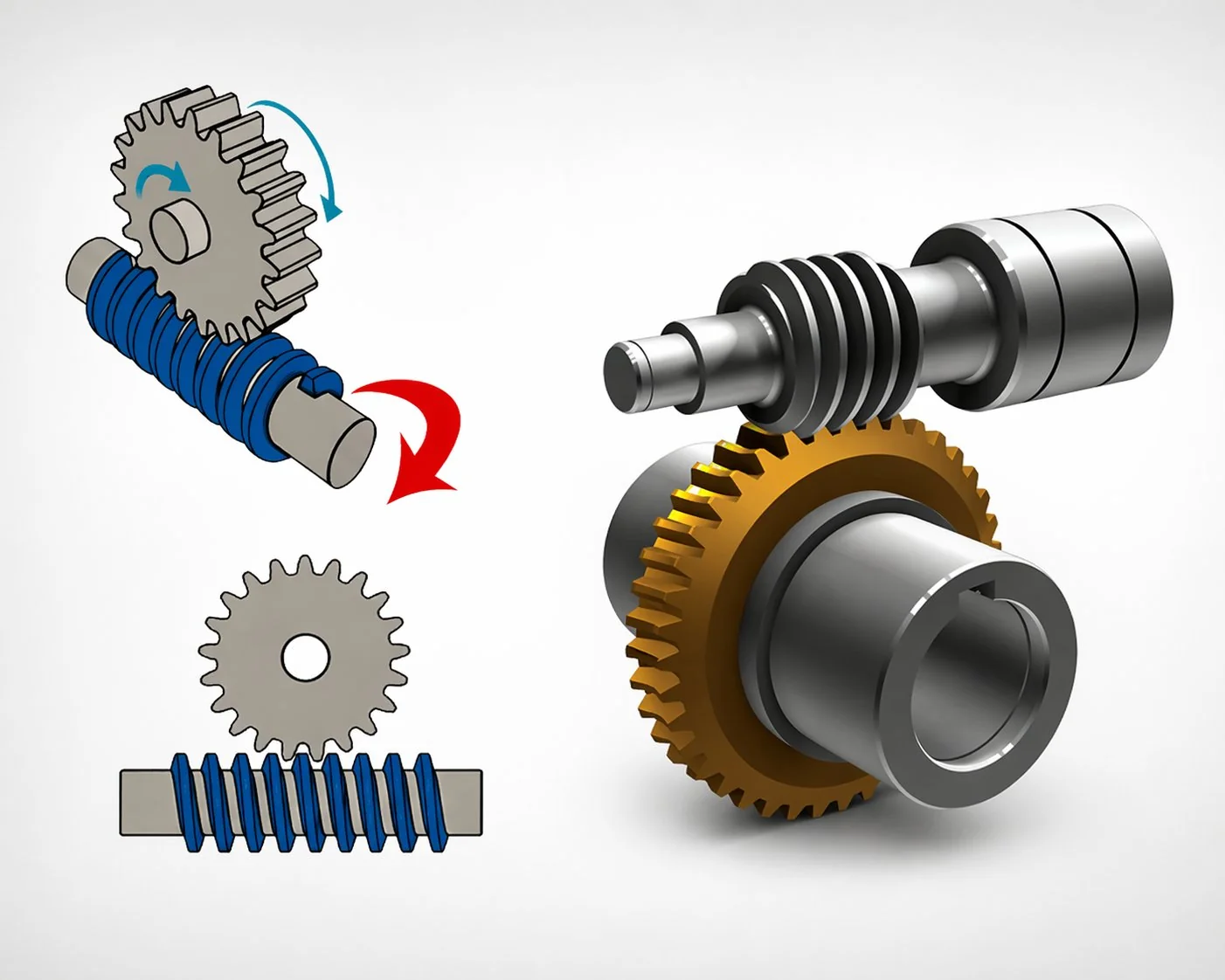
مصفوفة معالجة الفولاذ عالي الحرارة - منطقة المنتج لتحديد المواصفات
يكمن الفرق الجوهري بين حرارة مصانع الصلب وغيرها من التطبيقات ذات درجات الحرارة العالية (مثل المخابز A14 ومصانع الإسمنت A25) في أن حرارة مصانع الصلب تنتقل مع المنتج وتكون عابرة. تمر صفيحة فولاذية بدرجة حرارة 1150 درجة مئوية فوق زوج من التروس الدودية على طاولة بكرات لمدة تتراوح بين 2 و5 ثوانٍ، ثم تصل الصفيحة التالية بعد 60 إلى 120 ثانية. تتذبذب درجة حرارة غلاف المحرك مع كل مرور للصفيحة، حيث ترتفع من 5 إلى 15 درجة مئوية لكل مرور، ثم تنخفض بين المرورات. هذا التذبذب الحراري أكثر ضررًا بكثير لأختام التروس الدودية والزيت من درجة الحرارة المرتفعة الثابتة في المخابز أو مصانع الإسمنت.
تكشف المصفوفة عن فرق في التكلفة يتراوح بين 3 و5 أضعاف بين مواصفات المنطقة الباردة والمنطقة الساخنة، ويعود ذلك بشكل أساسي إلى نظام التبريد (حيث تضيف غلافات الماء أو نظام تدوير الزيت ما بين 1500 و4000 دولار أمريكي لكل محرك) ونظام الحماية من الترسبات الكلسية (حيث تضيف حلقات التنظيف بالماء ما بين 200 و500 دولار أمريكي مقارنةً بنظام المتاهة البسيط). قد تحتوي مطحنة مزودة بـ 120 محركًا لطاولة الأسطوانات على 30 محركًا في المنطقة الساخنة، و40 في المنطقة الدافئة، و50 في المنطقة الباردة. إن تحديد جميع محركات التروس الدودية الـ 120 في مستوى المنطقة الساخنة يُهدر ما يقارب 120,000 دولار أمريكي في معدات تبريد غير ضرورية لمحركات المنطقة الباردة.
ترسبات أكسيد الحديد ومياه إزالة الترسبات عالية الضغط
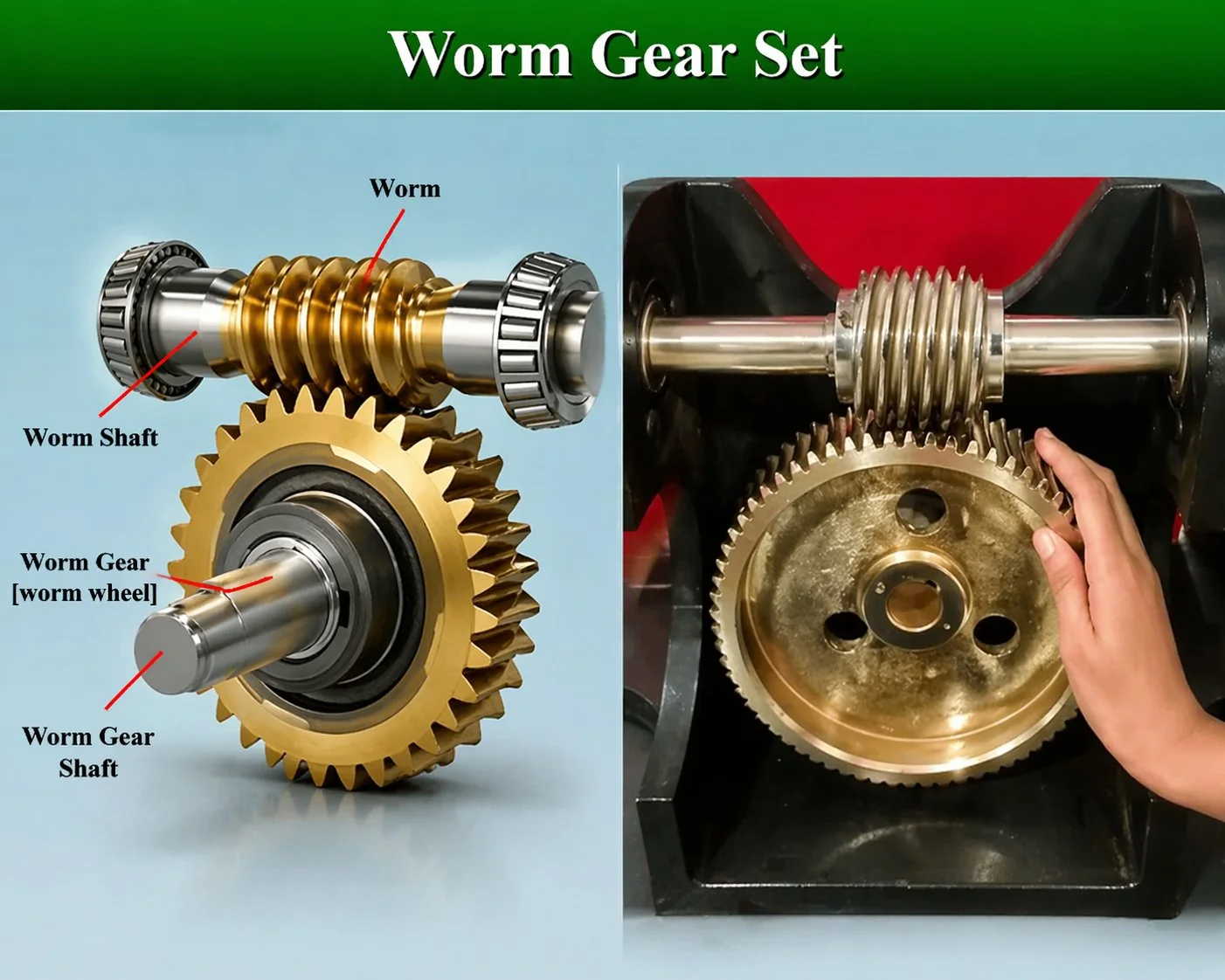
الترسبات الكلسية كملوث فريد. عندما يلامس الفولاذ الساخن الهواء، يتأكسد سطحه مكونًا طبقة من أكسيد الحديد (Fe₃O₄)، وهي طبقة صلبة هشة تتساقط من سطح الفولاذ أثناء مروره في آلة الدرفلة. تتساقط رقائق من هذه الطبقة، يتراوح حجمها بين 2 و10 ملم، من المنتج عند درجة حرارة تتراوح بين 600 و1000 درجة مئوية على محركات طاولة الدرفلة. تُعد هذه الطبقة الساخنة في آنٍ واحد مقذوفًا عالي الحرارة (إذ يمكنها إذابة الأختام المطاطية القياسية عند ملامستها)، ومادة كاشطة (صلابة موس 6، أي أصلب من غبار الأسمنت)، وملوثًا كيميائيًا (إذ تذوب في ماء التبريد مكونةً معلقًا من هيدروكسيد الحديد الحمضي بدرجة حموضة تتراوح بين 3 و5). لا يوجد قطاع صناعي آخر ينتج ملوثًا يجمع بين آليات التلف الثلاث هذه.
حماية من الترسبات الكلسية لهياكل أزواج التروس الدودية. تتطلب محركات المنطقة الساخنة واقيًا فولاذيًا مضادًا للترسبات، مثبتًا فوق الغلاف، لاعتراض الترسبات المتساقطة قبل وصولها إلى موانع التسرب. يجب أن يكون الواقي قابلًا للاستبدال (إذ يتآكل نتيجة اصطدام الترسبات الساخنة المتكرر) وموجهًا بزاوية لتوجيه الترسبات بعيدًا عن نقطة دخول العمود. خلف الواقي، تعمل حلقة تنظيف بالماء على غسل جزيئات الترسبات باستمرار من مانع التسرب المتاهة، مما يمنع تراكمها الذي قد يؤدي إلى تآكل أسطح التلامس.
تفاعل الماء مع إزالة الترسبات. تُستخدم رشاشات إزالة الترسبات عالية الضغط (150 إلى 200 بار) لإزالة الترسبات من سطح الفولاذ قبل الدرفلة، مُنتجةً ضبابًا من الماء الساخن والبخار وجزيئات الترسبات المتفتتة التي تُحيط بمحركات طاولة الدرفلة. يجب أن يتحمل غلاف زوج التروس الدودية هذه الظروف باستمرار، إذ تفشل أنظمة الطلاء القياسية في غضون 6 إلى 12 شهرًا. تستخدم أغلفة المناطق الساخنة حديدًا زهرًا مكشوفًا أو طلاءً معدنيًا بالزنك (بدون طلاء، لأن الطلاء يتقشر بفعل دورات التسخين والتبريد) مع هامش مقاومة للتآكل مُدمج في سُمك الجدار.
حدد مصنع كوري لإنتاج الدرفلة على الساخن، ينتج 3 ملايين طن سنويًا، أزواج تروس دودة لـ 80 محركًا لبكرات طاولة الإخراج بين وحدة التشطيب ووحدة اللف. تخدم طاولة الإخراج المنطقة الدافئة (درجة حرارة المنتج من 600 إلى 850 درجة مئوية عند مخرج وحدة التشطيب، وتبرد إلى ما بين 500 و650 درجة مئوية عند وحدة اللف). درجة حرارة التشغيل المحيطة للمحرك: من 80 إلى 110 درجة مئوية. استخدمت المواصفات الأصلية زيتًا معدنيًا عالي الضغط (ISO VG 320، مصنف حتى 90 درجة مئوية) مع موانع تسرب قياسية من مادة FKM وبدون واقي من الترسبات الكلسية - وهو الخيار الأقل تكلفة بسعر 420 دولارًا أمريكيًا لكل محرك. في غضون 18 شهرًا، تعطل 22 محركًا من أصل 80 - تأكسد الزيت المعدني في بيئة التدوير الحراري، وتآكلت موانع التسرب بفعل جزيئات الترسبات الكلسية، ودخلت رواسب الترسبات إلى الهياكل. أضافت مواصفات الاستبدال واقيات مانعة للترسبات (180 دولارًا أمريكيًا للواحدة)، وحلقات تنظيف بالماء (250 دولارًا أمريكيًا للواحدة)، وأختام متاهية (استبدال الأختام الشفوية، إضافة 85 دولارًا أمريكيًا للواحدة)، وزيت PAG اصطناعي (إضافة 45 دولارًا أمريكيًا لكل تعبئة). بلغ إجمالي تكلفة الترقية لكل محرك 560 دولارًا أمريكيًا، مما رفع تكلفة الوحدة من 420 دولارًا أمريكيًا إلى 980 دولارًا أمريكيًا. فحص ما بعد الترقية في السنة الثالثة: لم تُسجّل أي أعطال في جميع المحركات الثمانين. حالت الترقية التي بلغت تكلفتها 560 دولارًا أمريكيًا على 80 محركًا (إجمالي 44,800 دولارًا أمريكيًا) دون حدوث 22 عطلًا مبكرًا كلّفت ما يقارب 35,000 دولارًا أمريكيًا في استبدال المحركات، بالإضافة إلى 180,000 دولارًا أمريكيًا في تأخيرات الإنتاج بسبب توقف قسم طاولة البكرات. العبرة: يجب أن تتضمن مواصفات المنطقة الحرارية الدنيا من مصفوفة المعالجة حماية من الترسبات - فاختيار الزيت والتبريد المناسبين دون معالجة مسار دخول الترسبات يُنتج نفس معدل الفشل الناتج عن عدم تحديد إدارة الحرارة بشكل كافٍ.
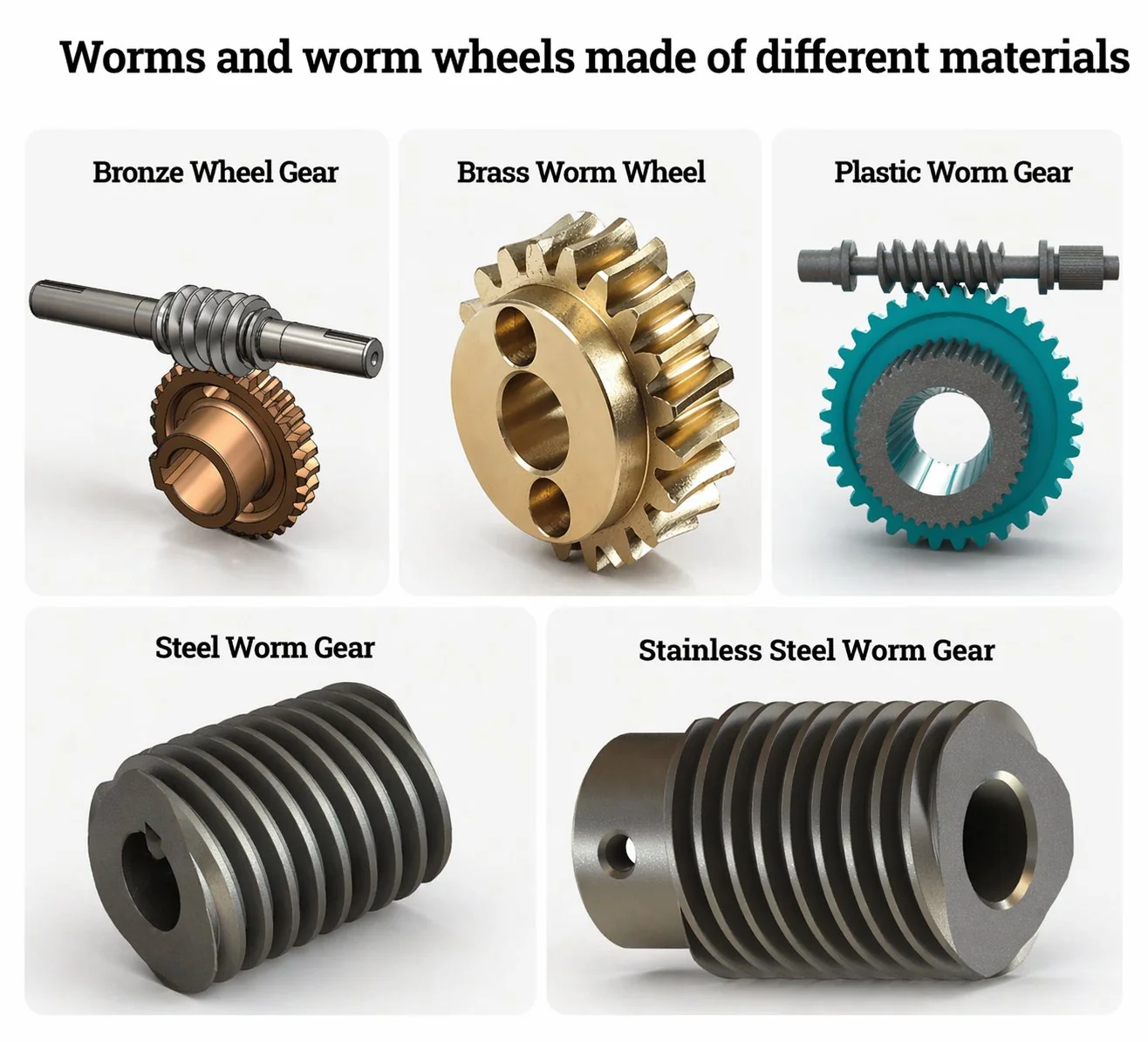
ثلاث حالات لمواصفات زوج تروس دودة مطحنة الصلب
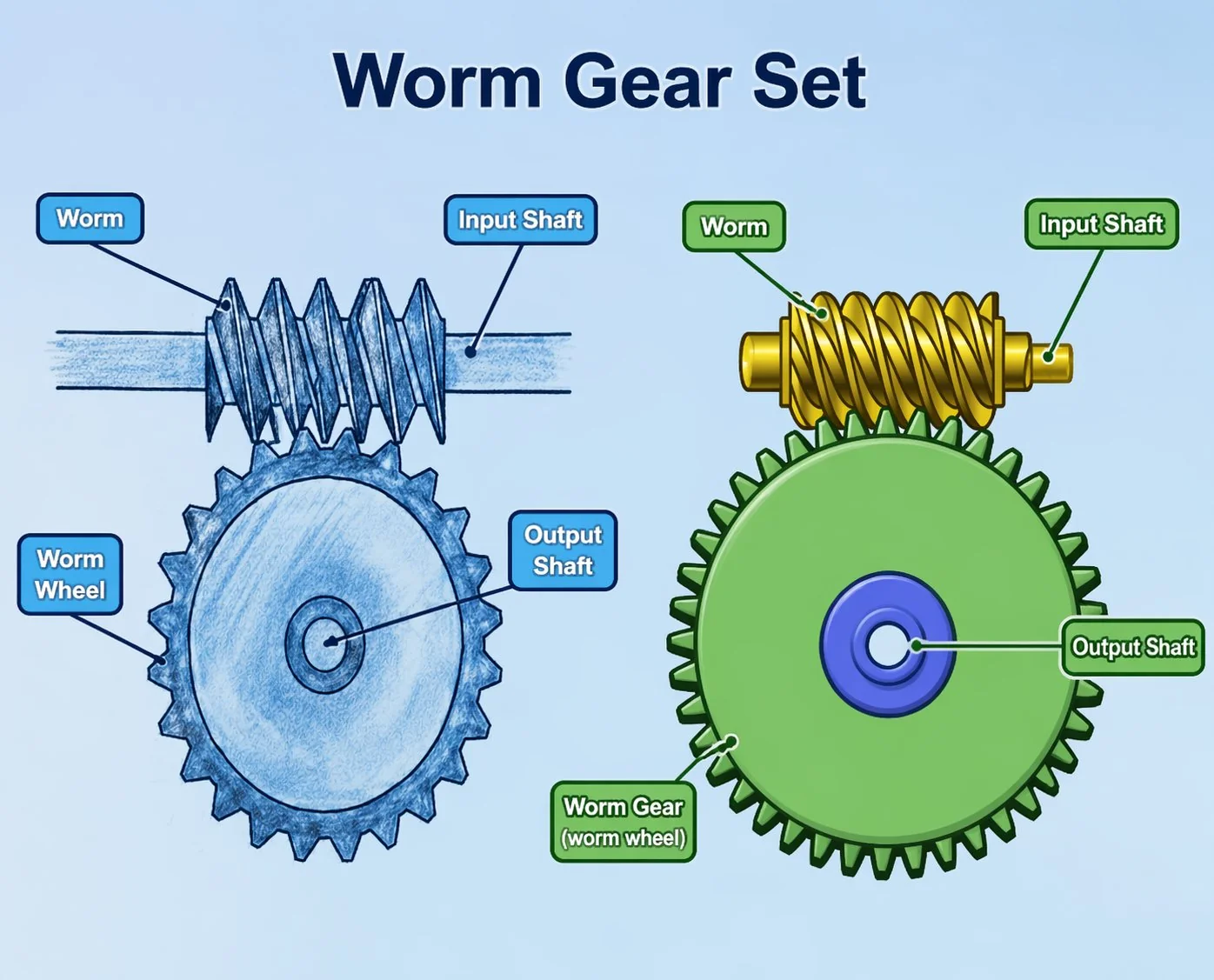
الحالة 1 - مصنع الدرفلة على الساخن الكوري: 80 محرك طاولة تشغيل، منطقة دافئة، حماية من الترسبات الكلسية
حددت إحدى مصانع الدرفلة على الساخن الكورية (انظر ملاحظة قسم الهندسة أعلاه) 80 زوجًا من محركات التروس الدودية لطاولة الإخراج بين وحدة التشطيب ووحدة اللف. سرعة البكرات: من 60 إلى 180 دورة في الدقيقة (متغيرة حسب سرعة الشريط). المحرك: 5.5 كيلوواط، 1450 دورة في الدقيقة. النسبة: 10:1 (بدء تشغيل مزدوج - لا حاجة للقفل الذاتي على طاولات البكرات؛ تدور البكرات بحرية عند توقف المحرك). عزم الدوران الناتج: 120 نيوتن متر لكل بكرة. المواصفات المصححة: بدء تشغيل مزدوج، وحدة 3، مسافة مركزية 80 مم. المادة: دودة من فولاذ سبيكي مقوى، عجلة من برونز الفوسفور. واقي من الترسبات الكلسية + حلقة تنظيف بالماء + مانع تسرب متاهة. الزيت: زيت اصطناعي PAG ISO VG 320، دوران الزيت مع مبرد خارجي مشترك بين مجموعات من 10 محركات. تكلفة المحرك الواحد (مع الحماية): 980 دولارًا أمريكيًا. إجمالي تكلفة 80 محركًا: 78400 دولارًا أمريكيًا. كان المصنع ينتج الشريط بسعر 90 دولارًا أمريكيًا للطن بالجملة - كل ساعة من توقف طاولة التشغيل تكلف حوالي 27000 دولار أمريكي من الإنتاج المفقود.
الحالة 2 - مصنع قضبان الأسلاك الياباني: محرك مغزل اللف، منطقة ساخنة، غلاف مبرد بالماء
حددت إحدى مصانع أسلاك الصلب اليابانية أزواج تروس دودة لأربعة محركات لفّ. يقوم جهاز اللفّ بلفّ أسلاك الصلب الساخنة (بقطر يتراوح بين 5.5 و16 مم) على شكل لفائف عند مخرج وحدة التشطيب. تتراوح درجة حرارة السلك عند جهاز اللفّ بين 900 و1050 درجة مئوية. يقع محرك اللفّ مباشرةً أسفل نقطة اللفّ، حيث تتراوح درجة الحرارة المحيطة بين 160 و190 درجة مئوية أثناء اللفّ (وهي أعلى درجة حرارة مسجلة لزوج تروس الدودة في هذه السلسلة المكونة من 30 مقالاً). زوج تروس الدودة: أحادي البدء (يلزم وجود قفل ذاتي للحفاظ على شدّ اللفّ أثناء اللفّ)، معامل 5، مسافة مركزية 125 مم، نسبة 30:1. عزم الدوران الناتج: 650 نيوتن متر (شدّ السلك × نصف قطر اللفّ). التبريد: غلاف مائي مع دوران مستمر لمياه التبريد (يتم الحفاظ على درجة حرارة الغلاف عند 85 درجة مئوية على الرغم من أن درجة الحرارة المحيطة تبلغ 180 درجة مئوية). الزيت: زيت بيرفلوروإيثر PFPE (يتحمل درجات حرارة تصل إلى 250 درجة مئوية - مما يوفر هامش أمان كبير في حال انقطاع نظام التبريد). الحماية من الترسبات الكلسية: غطاء فولاذي كامل يحيط بالمحرك مع ستارة رذاذ مائي عند فتحة الغطاء. تكلفة زوج التروس الدودية مع غلاف التبريد المائي: 4200 دولار أمريكي. تعبئة زيت PFPE: 380 دولار أمريكي. تصفح مخفض سرعة صناعي ذو تروس دودة خيارات لتطبيقات طاولات بكرات مصانع الصلب وآلات لفّها.
الحالة 3 - مطحنة حديد التسليح الفيتنامية: محرك مشط التبريد، منطقة التبريد، المواصفات القياسية
حدد مصنع درفلة حديد التسليح الفيتنامي أزواج تروس دودة لثمانية محركات أمشاط تبريد. يستقبل سرير التبريد حديد التسليح المُصنّع عند درجة حرارة تتراوح بين 600 و800 درجة مئوية، وينقله جانبيًا عبر السرير باستخدام أمشاط ترددية حتى يبرد إلى أقل من 100 درجة مئوية لتجميعه. تقع محركات الأمشاط أسفل شبكة سرير التبريد، حيث تتلقى الحرارة الإشعاعية المتبقية دون أي تلامس مباشر مع المنتج. تتراوح درجة الحرارة المحيطة عند محرك المشط بين 45 و65 درجة مئوية (المنطقة الباردة - حيث يكون حديد التسليح قد برد عبر المنطقة الدافئة قبل وصوله إلى موضع المشط). زوج التروس الدودية: أحادي البدء، معامل 4، المسافة المركزية 100 مم، النسبة 40:1. عزم الدوران الناتج: 800 نيوتن متر (كتلة المشط × الاحتكاك). التبريد: الحمل الحراري الطبيعي (كافٍ عند درجة حرارة محيطة 65 درجة مئوية). الحماية من الترسبات: مانع تسرب متاهة مع تنقية هوائية (تسقط جزيئات الترسبات السائبة عبر شبكة سرير التبريد على المحركات). الزيت: معدني EP ISO VG 320. سعر الزوج: 480 دولارًا أمريكيًا. إجمالي سعر 8 محركات: 3840 دولارًا أمريكيًا. توضح هذه الحالة أن محركات مصانع الصلب لا تحتاج جميعها إلى مواصفات منطقة ساخنة، حيث تعمل منطقة التبريد في سرير التبريد في ظروف مماثلة للبيئات الصناعية القياسية مع إضافة الحماية من الترسبات.
الأسئلة الشائعة
س: لماذا تستخدم محركات طاولات بكرات مصانع الصلب أزواج تروس دودة ثنائية البداية؟
لا تحتاج محركات طاولات البكرات إلى خاصية القفل الذاتي، لأن البكرات تدور بحرية بأمان عند توقف المحرك، حيث تنزلق صفيحة الفولاذ الساخنة فوقها دون أن تتضرر. تزيد مواصفات التشغيل المزدوج الكفاءة من 40 إلى 48% (تشغيل أحادي) إلى 65 إلى 72% (تشغيل ثنائي)، مما يقلل من حرارة المحرك ويطيل عمر الزيت في بيئة العمل الحارة أصلاً. عند استخدام ما بين 80 إلى 120 محرك طاولة بكرات في كل مصنع، يوفر هذا التحسن في الكفاءة ما بين 50 إلى 150 كيلوواط من إجمالي الطاقة، وهو ما يمثل انخفاضًا كبيرًا في تكاليف التشغيل عند أكثر من 6000 ساعة عمل سنويًا. الاستثناء: يجب أن تكون محركات مغزل اللفائف وآليات التثبيت اللولبي أحادية التشغيل لضمان خاصية القفل الذاتي لتثبيت الشد وتثبيت الموضع على التوالي.
س: كيف يختلف التذبذب الناتج عن الصدمة الحرارية عن درجة الحرارة العالية في حالة الاستقرار؟
تسمح درجات الحرارة العالية المستقرة (كما في المخابز ومصانع الإسمنت) لمجموعة التروس الدودية بأكملها بالوصول إلى حالة التوازن الحراري، حيث تتمدد جميع المكونات بشكل متجانس. أما دورات الصدمة الحرارية (كما في مرور ألواح مصانع الصلب) فتؤدي إلى تسخين السطح العلوي للغلاف بسرعة بينما يبقى السطح السفلي باردًا، مما يُحدث تدرجًا حراريًا داخل الغلاف ينتج عنه تمدد حراري تفاضلي. يُؤدي هذا التمدد التفاضلي إلى إجهاد أسطح تلامس مانع التسرب بشكل مختلف في كل دورة (يتمدد الجانب الساخن ويضغط مانع التسرب، بينما يبقى الجانب البارد ثابتًا). ومع مرور آلاف الألواح يوميًا، يُؤدي الضغط الدوري لمانع التسرب إلى تسارع الإجهاد في مواد مانع التسرب المطاطية القياسية، ولهذا السبب فإن موانع التسرب في أزواج التروس الدودية لمصانع الصلب من نوع المتاهة (بدون تلامس، وبالتالي لا تتعرض للإجهاد) وليست من نوع الشفة (مع تلامس، وبالتالي تكون عرضة للإجهاد).
س: هل يمكن منع تلف الترسبات الكلسية بدون استخدام حلقة شطف بالماء؟
في المناطق الدافئة والباردة، عادةً ما يكون تنظيف الهواء المضغوط (من 0.3 إلى 0.5 بار) كافيًا لمنع تراكم الترسبات الكلسية عند مانع التسرب المتاهة. أما في المنطقة الساخنة، فلا يكفي تنظيف الهواء وحده، لأن جزيئات الترسبات الكلسية الساخنة (من 600 إلى 1000 درجة مئوية) قد تنصهر داخل ممرات المتاهة وتتصلب مكونةً قشرة صلبة تعيق تدفق الهواء. تعمل حلقة شطف الماء على تبريد جزيئات الترسبات إلى ما دون درجة انصهارها، ثم تغسلها قبل أن تتراكم. معدل تدفق الماء منخفض - من 2 إلى 5 لترات في الدقيقة لكل دورة - ويتم تصريف الماء عبر قنوات تجميع الترسبات نفسها أسفل طاولة الأسطوانات.
س: ما هي الفترة الزمنية لتغيير الزيت التي تنطبق على محركات التروس الدودية في مصانع الصلب؟
المنطقة الساخنة: كل 3 إلى 6 أشهر (تؤدي دورات التغير الحراري إلى تسريع أكسدة الزيت على الرغم من استخدام الزيت الاصطناعي). المنطقة الدافئة: كل 6 إلى 12 شهرًا. المنطقة الباردة: كل 12 إلى 18 شهرًا. تفترض هذه الفترات مراقبة تحليل الزيت - يجب تغيير الزيت فورًا إذا تجاوز الرقم الحمضي 2.0 ملغم هيدروكسيد البوتاسيوم/غرام، أو تجاوز محتوى الماء 0.5% (نتيجة دخول ماء إزالة الترسبات)، أو تجاوز محتوى الحديد 100 جزء في المليون (مما يشير إلى تلوث الترسبات أو تسارع تآكل التروس). يمكن لمصانع الصلب المزودة بأنظمة تدوير زيت التروس الدودية المركزية (مبرد واحد يخدم من 10 إلى 20 محركًا) تمديد الفترات بنسبة 30 إلى 50% لأن حجم الزيت الكبير يخفف الملوثات ببطء أكبر.
س: ما هو العمر التشغيلي النموذجي لزوج تروس دودة في مطحنة الصلب؟
مع تحديد نطاق درجة الحرارة المناسب والحماية من الترسبات: من 3 إلى 5 سنوات في المنطقة الساخنة، ومن 5 إلى 8 سنوات في المنطقة الدافئة، ومن 8 إلى 12 سنة في المنطقة الباردة. عمر دودة التروس الفولاذية: من 6 إلى 15 سنة في جميع المناطق (الدودة أصلب وأكثر مقاومة للتآكل من عجلة البرونز). العامل المحدد لعمر محركات التروس الدودية في المناطق الساخنة هو إجهاد عجلة البرونز الناتج عن دورات التسخين والتبريد المتكررة، حيث يؤدي التسخين والتبريد المتكرران إلى تشققات دقيقة على جوانب الأسنان بعد 15000 إلى 30000 دورة حرارية. أما في المناطق الدافئة والباردة، فيُحدد العمر بالتآكل الكاشط الناتج عن التلوث بالترسبات، والذي يُمكن التحكم به من خلال صيانة مانع التسرب المتاهة وحلقة التنظيف.
تواجه أزواج التروس الدودية في مصانع الصلب أقصى درجات التعرض للصدمات الحرارية والتلوث الكاشط والمواد الكيميائية في أي تطبيق صناعي. تُحدد مصفوفة المعالجة ذات درجات الحرارة العالية مناطق درجة حرارة المنتج (ساخن، دافئ، بارد) بالنسبة لدرجة الحرارة المحيطة عند المحرك، وطريقة التبريد، والحماية من الترسبات، ومواصفات مواد التشحيم، مما يُتيح تحسين كل منطقة على حدة، ويمنع كلاً من نقص المواصفات (الفشل المبكر في المنطقة الساخنة) وزيادة المواصفات (التكلفة غير الضرورية في المنطقة الباردة). تتطلب الترسبات - الملوث الفريد في مصانع الصلب - استخدام موانع تسرب محمية مع نظام شطف بالماء في المنطقة الساخنة، وهو ما لا يمكن لأي حماية من الغبار أو الجسيمات في الصناعات الأخرى أن تحل محله. تُسبب الصدمة الحرارية العابرة الناتجة عن مرور المنتج الساخن إجهادًا للأختام لا تُعالجه مواصفات درجة الحرارة الثابتة، لذا تحل موانع التسرب المتاهية محل موانع التسرب الشفوية كتكوين إلزامي للتروس الدودية في جميع تركيبات أزواج التروس الدودية في مصانع الصلب.
بالنسبة لموردي معدات مصانع الصلب ومهندسي المصانع، يقوم قسم الهندسة لدينا بتصنيف نطاق درجة حرارة المنتج ويوصي بمواصفات المحرك الكاملة. كتالوج قياسي مجموعات تروس دودة شديدة التحمل تغطي هذه الخدمة أحجام مصانع الصلب بمسافات مركزية تتراوح من 63 إلى 200 مم، مع خيارات حماية من الترسبات. قدّم طلبًا. مواصفات محرك مطحنة الصلب مع درجة حرارة المنتج، وقسم الطحن، وموضع المحرك، ومستوى التعرض للترسبات.
تحديد أزواج التروس الدودية لطاولات بكرات مصانع الصلب أو معدات المعالجة؟
أرسل درجة حرارة المنتج، وقسم المطحنة، وعدد المحركات، ونطاق سرعة الأسطوانات، ومستوى التعرض للترسبات. سنقوم بتصنيف نطاق درجة الحرارة ونوصي بحزمة التبريد، والعزل، والحماية من الترسبات لكل موضع محرك.
المحرر: Cxm