Korea Ever-Power · Průvodce aplikačním inženýrstvím
Šnek a šnekové kolo pro CNC indexování otočného stolu
Pětiosé CNC obráběcí centrum řeže lopatku turbíny při otáčkách vřetena 12 000 ot./min. Otočný stůl ve 4. ose polohuje polotovar lopatky s přesností na 10 úhlových sekund – 0,003 stupně – a drží jej proti řezné síle 800 N, zatímco chladicí kapalina zaplavuje pracovní zónu rychlostí 20 litrů za minutu. Šnekový převod uvnitř otočného stolu slouží současně jako přesný úhlový polohovač, upínací prvek obrobku a mechanická součást odolná vůči chladicí kapalině. Jedná se o aplikaci šnekového převodu s nejvyššími nároky na přesnost v jakémkoli odvětví.
CNC otočné stoly (4. a 5. osa) používají šnekové převody pro přesné úhlové polohování, plynulé kopírování tvarů během simultánního víceosého obrábění a samosvorné upínání obrobku proti řezným silám. Tabulka vůle vůči chybě polohy kvantifikuje, jak se vůle šnekového převodu promítá do chyby obrábění v bodě řezu obrobku: e = R × B / 3 438, kde R je poloměr obrobku v mm a B je vůle v úhlových minutách. U obrobku s poloměrem 200 mm způsobí 1 úhlová minuta vůle odchylku polohy 58 µm – což překračuje typickou toleranci CNC plus mínus 25 µm. Proto šnekové převody s CNC otočnými stoly univerzálně používají předpjaté mechanismy proti vůli (pružinové dělené kolo nebo duplexní kolo s nastavením podložek), aby se efektivní vůle snížila pod 10 úhlových sekund. Standardem CNC je poměr 360:1 – jeden stupeň na otáčku šneku – což umožňuje přímé odečítání úhlu ze servokodače bez dalšího elektronického převodu. Pro CNC otočné stoly výrobní třídy je specifikována třída přesnosti 3 až 5 dle DIN 3974.
Proč CNC otočné stoly používají šnekové převody
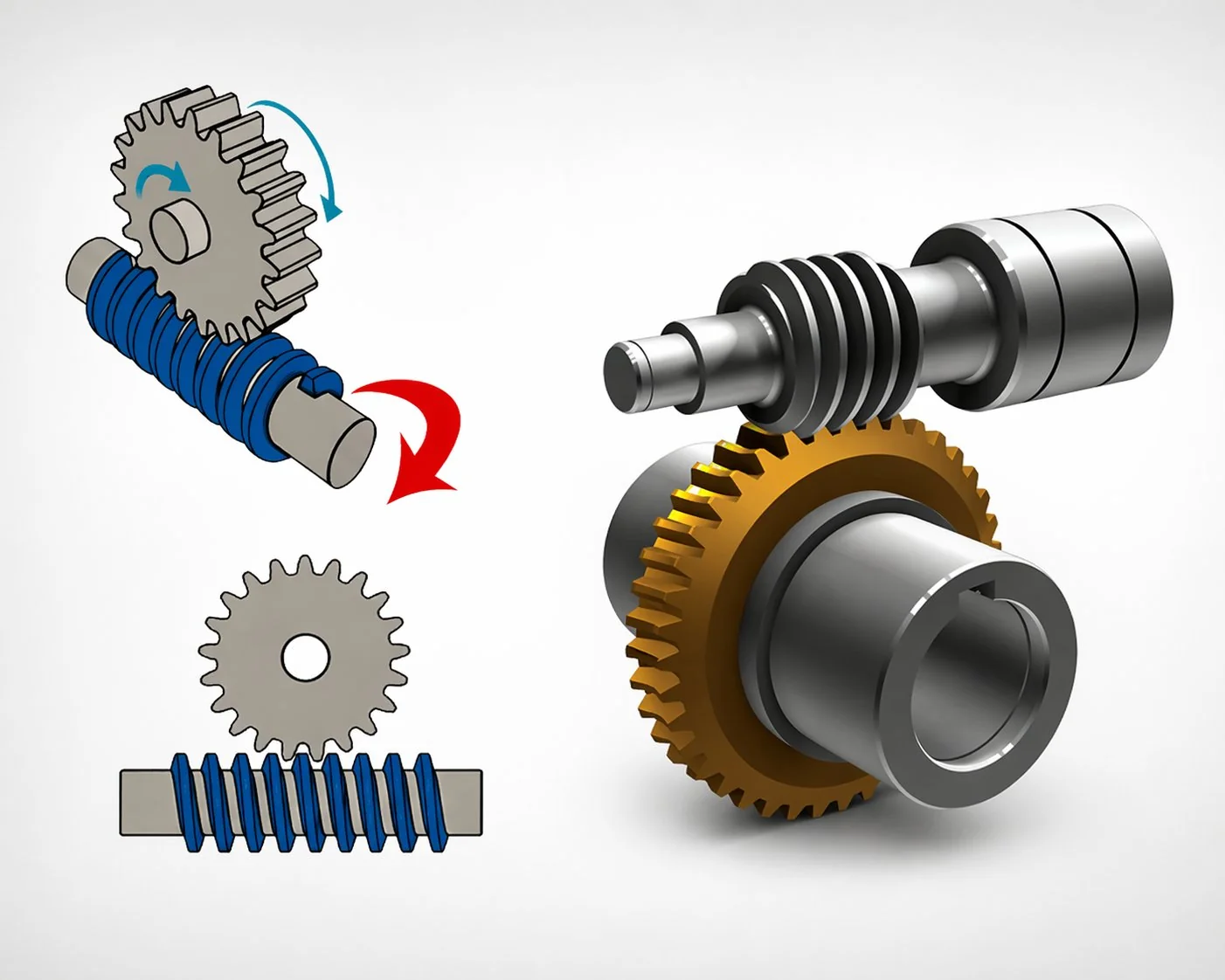
CNC otočný stůl plní tři funkce současně: polohuje obrobek v přesném úhlu, pevně drží obrobek během řezání a plynule se otáčí během konturovacích operací (obrábění ozubených kol, frézování vačkou, obrábění lopatek). Šnekový převod zajišťuje všechny tři funkce v jednom mechanickém stupni – žádný jiný typ převodu se této kombinaci nevyrovná.
Převod 360:1 převádí jednu plnou otáčku šneku na přesně jeden stupeň otočení stolu. Servomotor s 10 000 enkodérem poskytuje 10 000 × 360 = 3 600 000 cyklů na otáčku stolu – úhlové rozlišení 0,36 úhlových sekund na cykl. Mechanická přesnost plus mínus 10 úhlových sekund je dosažitelná s páry šnekových kol třídy 3 dle DIN.
Během frézování se řezná síla snaží otočit obrobek směrem od indexované polohy. Samosvorný mechanismus této síle odolává bez samostatného hydraulického upnutí – řezná síla na poloměru obrobku vytváří zpětný hnací moment, který šnekové kolo absorbuje díky své nevratnosti.
Při simultánním obrábění na 4. ose se stůl otáčí plynule, zatímco vřeteno se pohybuje v osách X/Y/Z – všechny osy jsou synchronizovány s CNC řídicí jednotkou. Šnekový převod musí zajišťovat plynulé otáčení bez vůle při proměnných otáčkách od 0,1 do 30 ot./min bez chyby přenosu, která by mohla způsobit vady povrchu obrobku.
Tabulka chyb vůle vůči poloze – od úhlových minut po mikrony v bodě řezu
Vztah mezi vůlí šnekového kola a chybou obrábění je čistě geometrický: úhlová vůle ve středu stolu vytváří lineární chybu polohy na poloměru obrobku, která se úměrně zvyšuje se vzdáleností od středu otáčení. Vzorec je e = R × B / 3,438, kde e je chyba polohy v mm, R je poloměr obrobku (vzdálenost od středu stolu k bodu řezu) v mm a B je vůle v úhlových minutách.
Tabulka zdůvodňuje použití předpjatých párů šnekových kol s ochranou proti vůli v jedné řadě: při R = 200 mm se standardní vůlí 1 úhlová minuta je chyba polohy 58 µm – více než dvojnásobek typické tolerance CNC obrábění plus mínus 25 µm. Dokonce i 0,5 úhlové minuty (30 úhlových sekund) produkuje 29 µm při poloměru 200 mm – stále nad limitem. Pouze předpjatá konfigurace při 10 úhlových sekundách (0,15 úhlových minut) se pohodlně drží v toleranci 9 µm. Běžné průmyslové páry šnekových kol při 5 úhlových minutách jsou pro CNC indexování zcela nepoužitelné – chyba při jakémkoli praktickém poloměru obrobku překračuje toleranci o řád.
Metody předpětí proti zpětnému rázu – jak CNC otočné stoly dosahují zpětného rázu pod 10 úhlových sekund
Standardní páry šnekových kol nemohou dosáhnout vůle pod 10 úhlových sekund potřebné pro CNC indexování pouze díky výrobní toleranci – nejmenší dosažitelná vůle u konvenčního jednodílného kola je přibližně 15 až 30 úhlových sekund při třídě DIN 3. Pro dosažení 5 až 10 úhlových sekund musí být pár šnekových kol mechanicky předpjat tak, aby boky zubů udržovaly kontakt na obou stranách současně, čímž se eliminuje zóna vůle, která vytváří vůli.
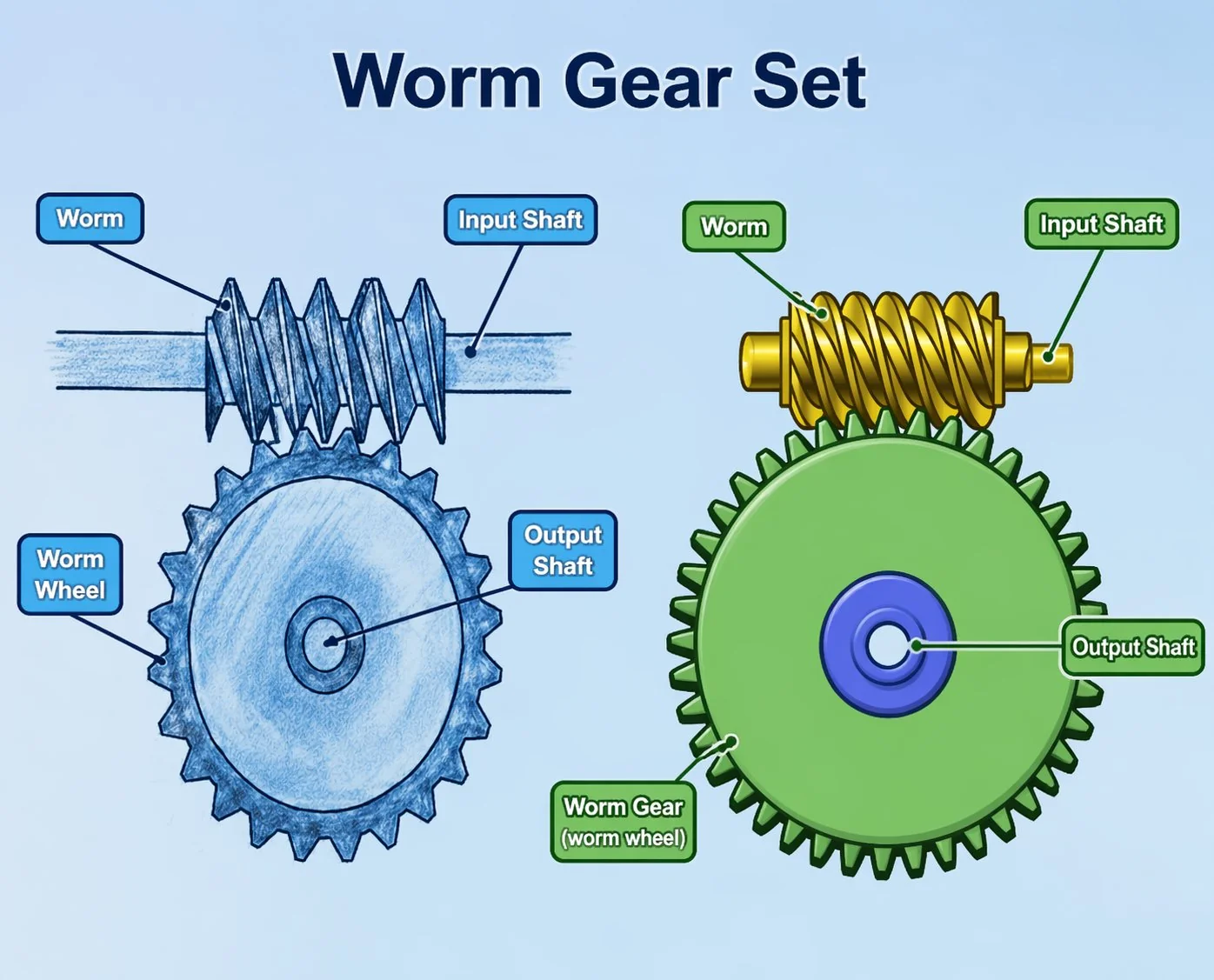
Kolo je rozděleno na dvě poloviny, přičemž každá zabírá se šnekem z opačných stran. Pružina mezi polovinami je od sebe odtlačuje a udržuje kontakt na obou stranách současně. Efektivní vůle: 3 až 8 úhlových sekund. Výhoda: samonastavitelná – pružina kompenzuje tepelnou roztažnost a drobné opotřebení. Nevýhoda: omezený krouticí moment (pružina musí být překonána, než zuby přenesou plné zatížení). Nejvhodnější pro: lehké dělicí stoly (4. osa na vertikálních obráběcích centrech, dělicí hlavy).
Dva šnekové závity jsou obráběny na stejné hřídeli s mírným axiálním přesazením. Podložky mezi pouzdry šnekových ložisek nastavují předpětí řízením axiální polohy šneku vzhledem ke kolu. Efektivní vůle: 5 až 15 úhlových sekund. Výhoda: plná kapacita krouticího momentu (předpětí je mechanické, nikoliv pružinou). Nevýhoda: vyžaduje opětovné podložení, jakmile se kolo opotřebuje (každé 2 až 4 roky). Nejlepší pro: těžké 5osé stoly, odvalovací frézky na ozubení a horizontální vyvrtávačky, otočné stoly.
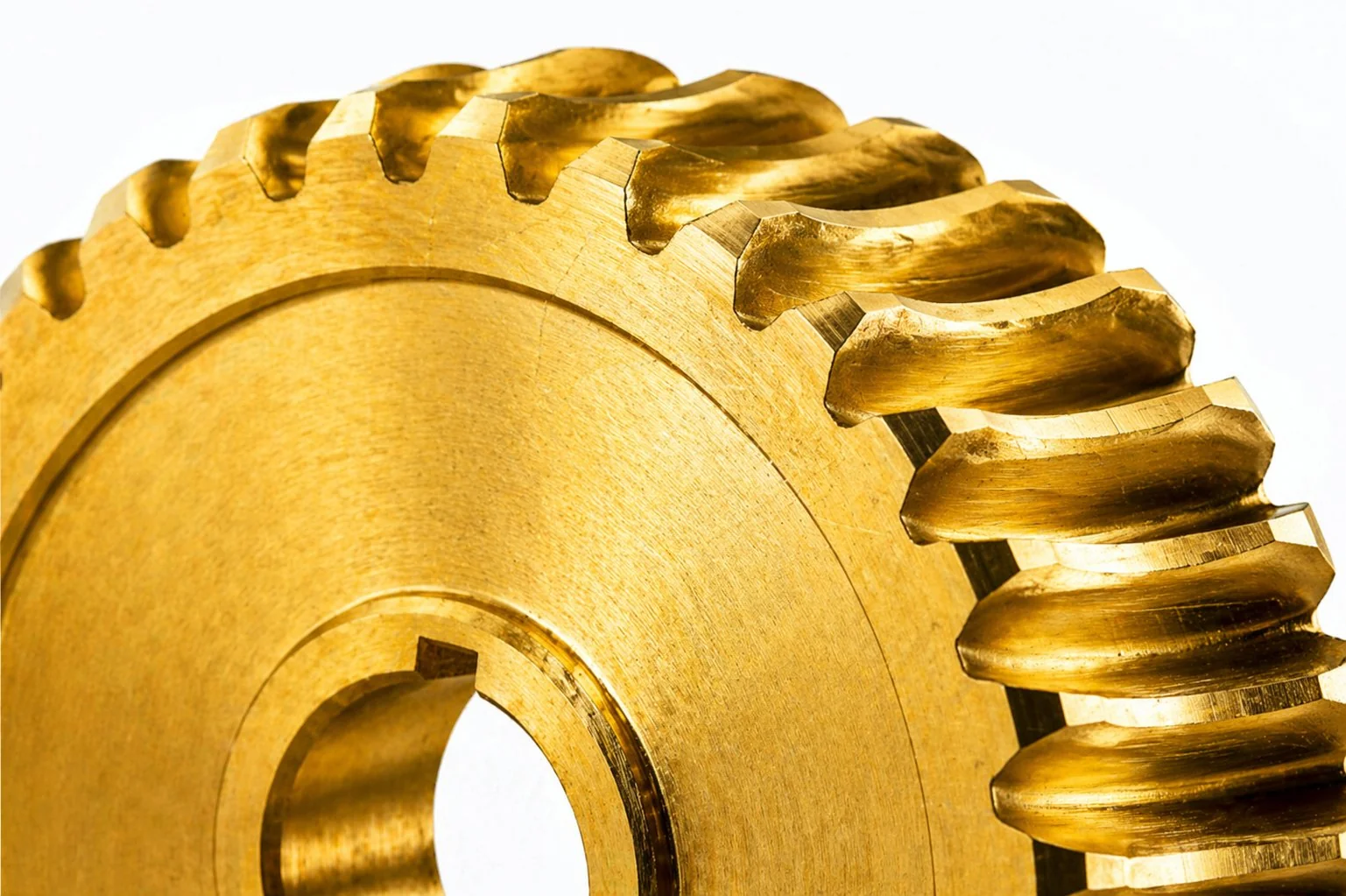
Korejský výrobce CNC obráběcích strojů zakoupil náhradní páry šnekových převodů pro 15 naklápěcích otočných stolů (kombinace 4. a 5. osy) instalovaných na horizontálních obráběcích centrech. Původní páry byly předpjaté s děleným kolem a efektivní vůlí 6 úhlových sekund, třída DIN 4. Náhradní páry od jiného dodavatele byly specifikovány jako „třída DIN 4, bez vůle“ – ale byly to duplexní typy s nastavením podložkami, nikoli dělené s pružinovým předpětím. Po instalaci měřila vůle 12 úhlových sekund – v rámci tolerance třídy DIN 4, ale dvojnásobek původních 6 úhlových sekund. Při typickém poloměru obrobku 150 mm se chyba polohování zvýšila ze 4 µm na 9 µm – stále v rámci tolerance CNC plus/mínus 25 µm pro všeobecné obrábění, ale nedostatečné pro konkrétního zákazníka z leteckého průmyslu, který vyžaduje plus/mínus 10 µm na drážkách paty lopatek turbíny. Výrobce obráběcího stroje musel znovu podložit všech 15 stolů, aby dosáhl tolerance 8 úhlových sekund – 2 hodiny kvalifikované práce na stůl za 85 USD za hodinu, celkem 2 550 USD neplánované práce. Ponaučení: „ochrana proti vůli“ není jediná specifikace – metoda předpětí (dělené kolo versus dvojitý šnek), efektivní hodnota vůle (v úhlových sekundách, nejen „ochrana proti vůli“) a třída přesnosti DIN – to vše musí být explicitně specifikováno. Dva páry proti vůli třídy 4 DIN od různých dodavatelů mohou poskytovat různé hodnoty vůle, protože „třída 4“ definuje toleranci geometrie zubu, nikoli účinnost předpětí.
Tři případy specifikace páru šnekových převodů s otočným stolem CNC
Případ 1 – Korejský otočný stůl pro 4. osu: Ø250 mm, dělené kolo, automobilové díly
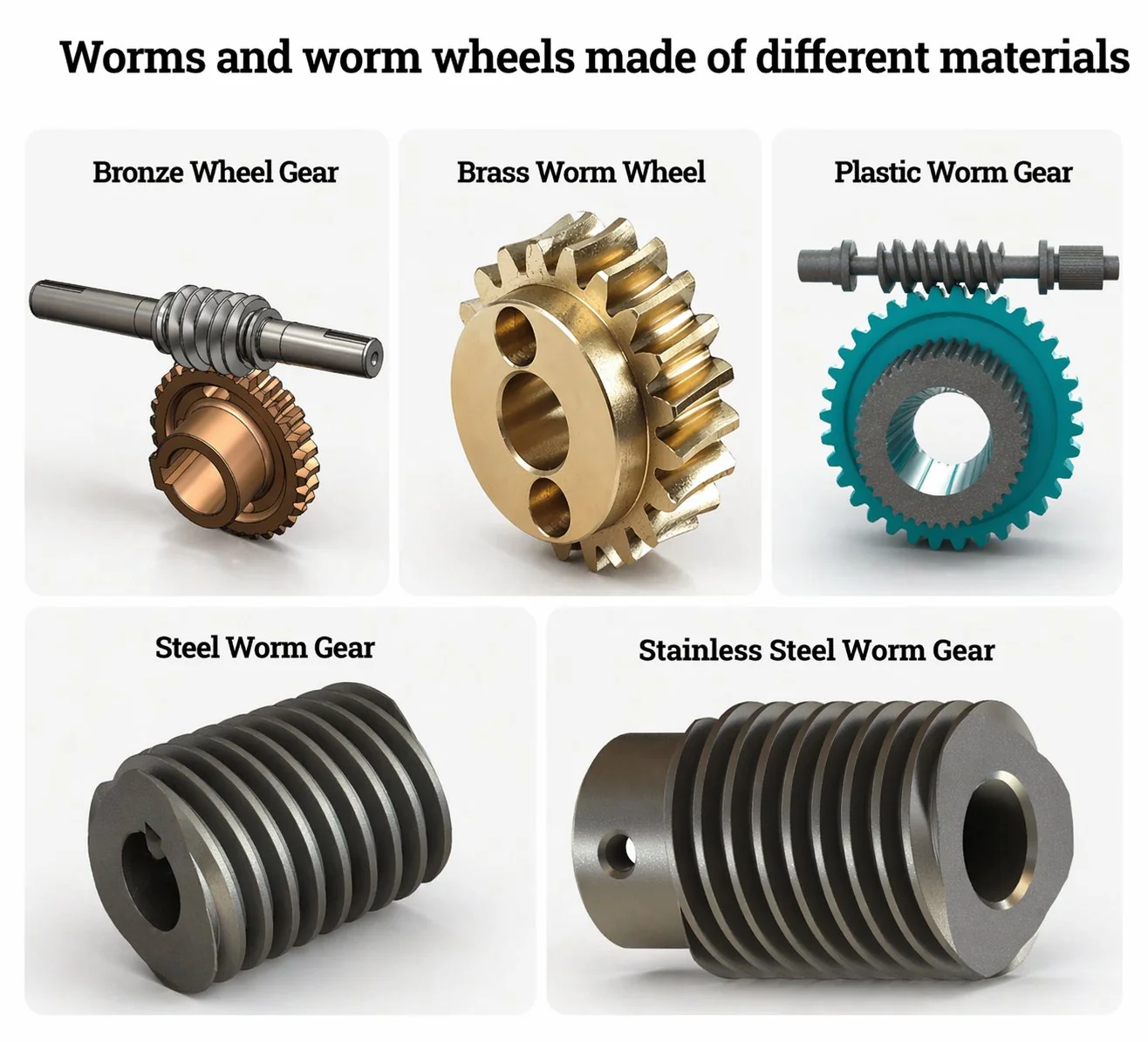
Korejský výrobce CNC obráběcích strojů specifikoval dvojice šnekových převodů pro otočný stůl o průměru 250 mm pro 4. osu určený pro obrábění automobilových součástí (hliník a ocel, poloměr obrobku do 125 mm). Požadovaná přesnost polohování: plus/mínus 15 úhlových sekund. Opakovatelnost: plus/mínus 5 úhlových sekund. Dvojice šnekových převodů: jednochodá, modul 1,5, průměr kola 180 mm, převodový poměr 360:1, třída přesnosti DIN 4. Předpětí: pružně předepnuté dělené kolo. Efektivní vůle: 6 úhlových sekund. Chyba polohování při R = 125 mm: 125 × 0,1 / 3 438 = 3,6 µm – v rámci tolerance obrábění plus/mínus 25 µm. Šnek: kalená a broušená ocel 20CrMnTi, Ra 0,2 µm, HRC 58 až 62. Kolo: odstředivě litý fosforový bronz CuSn12Ni. Mazání: Vřetenový olej ISO VG 68 (sdílený s ložisky stolu), cirkulující centrálním mazacím systémem stroje. Motor: Servopohon AC 1,5 kW s absolutním enkodérem 131 072 číslic. Náklady na sestavu páru šnekových převodů: 680 USD. Roční produkce: 400 stolů (16 000 sad párů šnekových převodů ročně v celé produktové řadě).
Případ 2 – Japonský 5osý naklápěcí stůl: Ø 400 mm, duplexní šnek, letecká tolerance
Japonský výrobce 5osých obráběcích center specifikoval páry šnekových převodů pro osu A (naklápění) a osu C (rotace) naklápěcího otočného stolu o průměru 400 mm určeného pro obrábění titanových a inconelových součástí v leteckém průmyslu. Přesnost polohování: plus/mínus 8 úhlových sekund. Letecké a kosmické aplikace vyžadovaly řezné síly až 2 500 N při poloměru obrobku 180 mm – což na stole produkovalo zpětný točivý moment 450 N·m. Pružinová konstrukce s děleným kolem tento točivý moment nezvládla (předpětí pružiny omezeno na přibližně 150 N·m). Specifikace: duplexní šnek s nastavením podložek. Modul 2, průměr kola 280 mm, převodový poměr 360:1, třída DIN 3. Efektivní vůle po podložení podložek: 5 úhlových sekund. Chyba polohování při R = 180 mm: 180 × 0,083 / 3 438 = 4,4 µm – v rámci tolerance plus/mínus 10 µm pro letecký průmysl s 56% rezervou. Šnek: cementovaný 18CrNiMo7-6, broušený Ra 0,15 µm, HRC 60 až 63. Kotouč: odstředivě litý cínový bronz s přídavkem niklu (zvýšená únavová životnost pro těžké letecké obrábění). Ochrana chladicí kapaliny: labyrintové těsnění a proplachování vzduchem na vstupu do hřídele šneku pro zabránění vniknutí chladicí kapaliny. Cena za sestavu páru šnekových kol (osa A nebo C): 2 400 USD. Procházet přesný šnekový reduktor možnosti pro CNC otočné stoly a aplikace v obráběcích strojích.
Případ 3 – Vietnamská manuální dělicí hlava: 40:1, bez předpětí, pro vzdělávání a dílnu
Vietnamský distributor obráběcích strojů specifikoval páry šnekových převodů pro ruční dělicí hlavy prodávané odborným učilištím a malým dílnám. Dělicí hlava se montuje na stůl frézky a indexuje obrobek v pevných úhlových krocích pro řezání zubů ozubených kol, šestihranných plošek a stejně rozmístěných otvorů. Převodový poměr: 40:1 (9 stupňů na otáčku šneku – standardní dělící poměr, který vytváří běžné dělení: 40 otáček pro plné otočení, 20 otáček pro 180 stupňů, 10 otáček pro 90 stupňů). Bez předpětí (standardní jednodílné kolo s vůlí 2 až 3 úhlových minut). Chyba polohování při R = 50 mm: 50 × 2,5 / 3 438 = 36 µm. To bylo přijatelné pro typickou toleranci plus mínus 0,1 mm (100 µm) pro ruční obrábění v dílně – směr přibližování ručního kola obsluhy (vždy přibližování ze stejného směru) účinně eliminuje vůli z polohování. Šnek: uhlíková ocel, odvalovaná Ra 0,8 µm, kalená HRC 55. Kolo: fosforový bronz litý do písku. Cena za pár: 32 USD. Případová studie ukazuje, že ne každé indexování obráběcích strojů vyžaduje ochranu proti zpětnému rázu – ruční ovládání s konzistentním směrem nájezdu eliminuje efekt zpětného rázu, který se objevuje pouze u obousměrného CNC polohování.
Často kladené otázky
Otázka: Proč je 360:1 standardním poměrem pro CNC otočné stoly?
Při poměru 360:1 otočí šnekový pohon stůl přesně o jeden stupeň – což usnadňuje odečet úhlů ze servo enkodéru: počet úhlů enkodéru na stupeň se rovná rozlišení enkodéru na otáčku. Elektronický převodový poměr CNC řídicí jednotky je 1:1, což eliminuje chyby zaokrouhlování v polohovací smyčce. Některé specializované aplikace používají poměr 90:1 (pro vysokorychlostní kontinuální konturování) nebo 720:1 (pro ultrajemné úhlové rozlišení), ale 360:1 je standardem pro univerzální indexovací stoly, protože poskytuje nejlepší rovnováhu mezi úhlovým rozlišením, výstupní rychlostí a mechanickou účinností.
Otázka: Jak ovlivňuje obráběné teplo přesnost šnekového ozubeného kola?
Obrábění generuje teplo, které proudí z obrobku a vřetena do tělesa stolu, čímž se během prodloužených řezných cyklů zvyšuje teplota stolu o 5 až 20 stupňů Celsia. Toto tepelné roztažení zvětšuje průměr kotouče a posouvá osovou vzdálenost – čímž se zvyšuje vůle zhruba o 2 až 5 úhlových sekund na každých 10 stupňů Celsia. U předpjatých párů může tepelná roztažnost předpětí zvětšit (snížit účinnost a zvýšit zatížení motoru) nebo uvolnit (zvýšit vůli) v závislosti na tom, zda se více roztahuje kotouč nebo pouzdro. Pružinová dělená kola se tepelného nárůstu samovyrovnávají; duplexní páry s nastavením podložek nikoli – vyžadují tepelnou stabilizaci (zahřívací cyklus před přesným obráběním) nebo aktivní tepelnou kompenzaci v CNC řídicí jednotce. Pro letecké a kosmické obrábění s požadavky na plus nebo mínus 8 úhlových sekund je standardní praxí 30minutový zahřívací cyklus před řezáním prvního obrobku.
Otázka: Jak je zabráněno vniknutí chladicí kapaliny do skříně šnekového převodu?
CNC obrábění využívá vysokotlakou chladicí kapalinu (10 až 70 barů), která zaplavuje pracovní zónu a stříká na otočný stůl. Šnekový převodový pár chrání tři strategie těsnění: labyrintové těsnění na rozhraní tělesa stolu a skříně (bezkontaktní, žádné opotřebení); proplachování vzduchem (stlačený vzduch o tlaku 0,1 až 0,3 baru neustále fouká labyrintem ven, čímž se zabraňuje vniknutí chladicí kapaliny); a odvodňovací kanály, které odvádějí veškerou chladicí kapalinu, která prochází labyrintem, od skříně převodovky dříve, než dosáhne olejového těsnění. Prémiové CNC stoly využívají všechny tři. Pokud se chladicí kapalina dostane do olejového systému, emulguje vřetenový olej a způsobuje zrychlené opotřebení kontaktních ploch šneku a kola – měřitelné jako zvýšení vůle o 5 až 10 úhlových sekund během 6 měsíců. Pravidelná analýza oleje (obsah vody pod 0,05 procenta) sleduje účinnost těsnění.
Otázka: Jaká je typická životnost šnekového převodu otočného stolu CNC?
CNC otočné stoly ve výrobním prostředí obvykle běží 2 000 až 4 000 hodin ročně s přerušovaným indexováním. Životnost bronzového kola je 5 až 10 let pro všeobecné obrábění (ocel a hliník) a 3 až 6 let pro těžké letecké obrábění (titan, Inconel – vyšší řezné síly vytvářejí vyšší kontaktní napětí na zubech šnekového kola). Ocelový šnek vydrží 10 až 20 let. Omezujícím faktorem životnosti je nárůst vůle nad přijatelnou toleranci obrábění – monitorován každoročním ověřováním přesnosti pomocí laserového interferometru nebo přesného polygonu. Výměnu kola naplánujte, když vůle překročí dvojnásobek původní předpjaté hodnoty (např. vyměňte, když původní 6-sekundová hodnota naroste na 12-sekundovou).
Otázka: Může momentový motor s přímým pohonem nahradit šnekový převod v CNC otočných stolech?
Momentové motory s přímým pohonem (DDT) se používají u vysokorychlostních 5osých stolů, kde je vyžadována kontinuální rychlost obrábění nad 50 ot/min. DDT zcela eliminuje problém s vůlí, protože neexistuje žádný ozubený převod. DDT však postrádá samosvornost – k uchycení stolu během řezání je potřeba samostatná hydraulická svorka, což zvyšuje náklady a složitost. DDT má také nižší hustotu točivého momentu než šnekový převod při nízkých otáčkách – stůl DDT o průměru 400 mm stojí 3 až 5krát více než ekvivalentní šnekový převod. Pro většinu produkčního CNC obrábění (indexování plus konturování střední rychlostí pod 30 ot/min) zůstává šnekový převod nákladově efektivnější než DDT. DDT je upřednostňován pouze pro vysokorychlostní kontinuální 5osé obrábění složitých volných tvarových ploch, kde konturovací rychlost překračuje praktický limit šnekového převodu.
Šnekové převody s otočným stolem pro CNC pracují v této 30článkové sérii s nejvyšší úrovní přesnosti ze všech aplikací – vůle pod 10 úhlových sekund, třída přesnosti DIN 3 až 5 a chyby polohy měřené v jednotkách mikronů v bodě řezu obrobku. Tabulka vůle k chybě polohy (e = R × B / 3 438) kvantifikuje, proč standardní průmyslové šnekové převody nemohou sloužit pro CNC indexování: při typickém poloměru obrobku překračuje i 1 úhlová minuta vůle tolerance CNC obrábění faktorem 2 až 3. Předpjaté mechanismy proti vůli (pružinové dělené kolo pro lehké zatížení, duplexní kolo s nastavením podložek pro těžké zatížení) jsou povinné pro výrobní CNC stoly. Poměr 360:1 je standardem, protože poskytuje celočíselné úhlové rozlišení ze servokodéru. Pro výrobce obráběcích strojů, kteří specifikují šnekové převody s otočným stolem, jsou klíčovými parametry vůle (v úhlových sekundách, nikoli v úhlových minutách), třída přesnosti DIN, metoda předpětí a strategie těsnění chladicí kapaliny.
Pro výrobce CNC obráběcích strojů a opraváře otočných stolů nabízí naše konstrukční oddělení přesné páry šnekových převodů třídy DIN 3 až 6 s předpjatými konfiguracemi proti zpětnému chodu. Standardní katalog přesné šnekové převodovky Zahrnuje převodové poměry 360:1 a 40:1 od průměru kotouče 80 do 280 mm s možností děleného kotouče a duplexní verze. Zašlete specifikaci pohonu CNC stolu s uvedením průměru stolu, přesnosti polohy (úhlové sekundy), maximálního poloměru obrobku, řezné síly a typu chladicí kapaliny.
Specifikace párů šnekových převodů pro CNC otočné stoly?
Zašlete průměr stolu, požadovanou přesnost (úhlové vteřiny), maximální poloměr obrobku a řeznou sílu, typ chladicí kapaliny a zda potřebujete předpětí s děleným kotoučem nebo s dvojitým předpětím. Vypočítáme chybu polohy na poloměru vašeho obrobku a doporučíme třídu DIN a specifikaci předpětí.
Střihač: Cxm