Korea Ever-Power · Giya sa Inhenyeriya sa Aplikasyon
Worm ug Worm Wheel para sa Marine Winch ug Mooring Equipment
Ang usa ka 50,000 DWT nga bulk carrier nga gidunggo sa usa ka tidal port nagpugong sa iyang berth batok sa sulog ug hangin pinaagi sa 8 ka mooring lines, nga ang matag usa gi-tension sa 15 ngadto sa 30 ka tonelada sa usa ka mooring winch. Ang pares sa worm gear sulod sa matag winch nagpugong niini nga tensyon pinaagi sa self-locking — padayon, hilom, nga walay motor power — samtang ang salt spray, diesel exhaust, ug tropical sun moatake sa matag nabuyagyag nga nawong sa deck. Kung ang self-locking mapakyas sa usa ka winch, ang barko mobalhin gikan sa berth ug ang nahabilin nga 7 ka lines mosuhop sa asymmetric loading nga mahimong makaputol niini sa sunod-sunod nga paagi.
Ang mga marine winch — mooring, anchor, cargo, ug trawl — mogamit og mga pares sa worm gear tungod kay ang self-locking mopugong sa tensyon sa linya nga walay lahi nga preno (kritikal para sa kaluwasan sa mooring), ang taas nga ratio naghatag og mekanikal nga bentaha sa pag-tension sa mga bug-at nga mooring lines gikan sa usa ka compact deck-mounted motor, ug ang geometry sa worm gear pair mohaom sulod sa hugot nga mga limitasyon sa espasyo sa deck sa mga forecastle sa barko ug mga poop deck. Ang ISO 12944 C5-M corrosion protection protocol mao ang specification framework nga nagmapa sa marine atmospheric corrosivity ngadto sa worm gear pair material, coating system, ug seal specification. Ang C5-M (very high marine) nanginahanglan og 316L o duplex stainless worm, nickel aluminum bronze wheel, three-layer coating (zinc-rich primer plus epoxy plus polyurethane), ug FKM seals — nga nagpatungha og 25 ka tuig nga target nga kinabuhi sa labing agresibo nga atmospheric corrosion environment nga gihubit sa standard. Gikinahanglan ang pag-apruba sa classification society (DNV, Lloyd's, BV, ABS) para sa tanang winch components sa mga komersyal nga barko.
Ngano nga ang mga marine winch naggamit ug worm gear drives
Ang usa ka mooring winch kinahanglan nga mohimo og duha ka gimbuhaton: paghakot sa mooring line atol sa berthing (aktibo, gipadagan sa motor, 2 ngadto sa 5 ka minuto matag linya) ug pagkupot sa tensyon sa linya atol sa tibuok port stay (passive, motor off, mga oras ngadto sa mga semana). Ang pares sa worm gear sulod sa winch naghatag sa duha ka: pagkunhod sa high-torque speed para sa paghakot ug self-locking tension hold para sa port stay. Dili kinahanglan ang lahi nga brake drum o ratchet mechanism — ang self-locking geometry nagkupot sa tibuok mooring tension hangtod sa hangtod.
Kining duha ka gamit naghimo sa worm gear pair nga sumbanan para sa mga marine winch sa tanang klase sa barko — gikan sa 500 GT coastal fishing boats ngadto sa 300,000 DWT VLCCs.
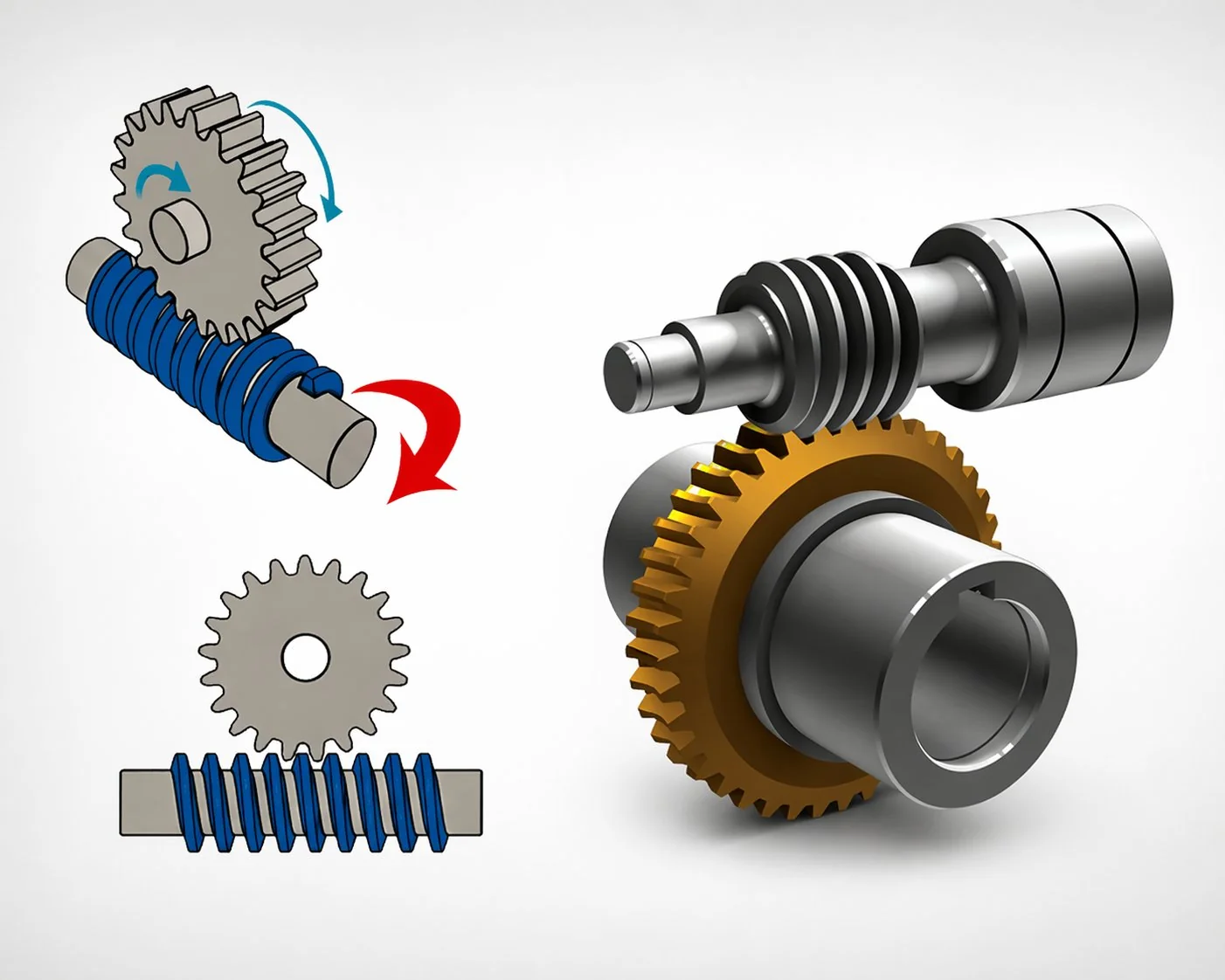
Ang self-locking makakupot og 15 ngadto sa 30 ka tonelada nga tensyon sa mooring line kada winch nga walay motor power. Ang tensyon magkalahi depende sa pagtaob, sulog, ug hangin — ang worm gear pair mosuhop niining dinamikong pag-usab-usab nga hilom. Kon ang barko mohapak sa balod, ang momentary tension spike (hangtod sa 2 ka pilo nga static) masuhop sa self-locking friction imbes nga ipadala sa motor.
Ang espasyo sa deck sa barko usa sa labing limitado sa bisan unsang industriya. Ang 90-degree worm gear layout nagbutang sa motor nga patindog sa ubos sa winch drum — nga mohaom sulod sa 600 × 800 mm nga deck footprint nga dili matupngan sa usa ka inline gearbox nga adunay parehas nga rating. Ang matag metro kwadrado sa deck adunay mga nagkompetensya nga pag-angkon gikan sa mga cargo hatch, ventilator, ug access sa tripulante.
Ang mga barkong pangkomersyo nagkinahanglan nga ang tanang makinarya sa deck adunay pag-apruba sa tipo sa classification society (DNV GL, Lloyd's Register, Bureau Veritas, ABS). Ang pares sa worm gear kinahanglan nga gidisenyo, gihimo, ug gisulayan sumala sa magamit nga mga lagda sa klasipikasyon — lakip ang sertipikasyon sa materyal, pagsulay sa karga sa 1.5 ka pilo nga gi-rate nga kapasidad, ug dokumentado nga pagdumala sa kalidad.
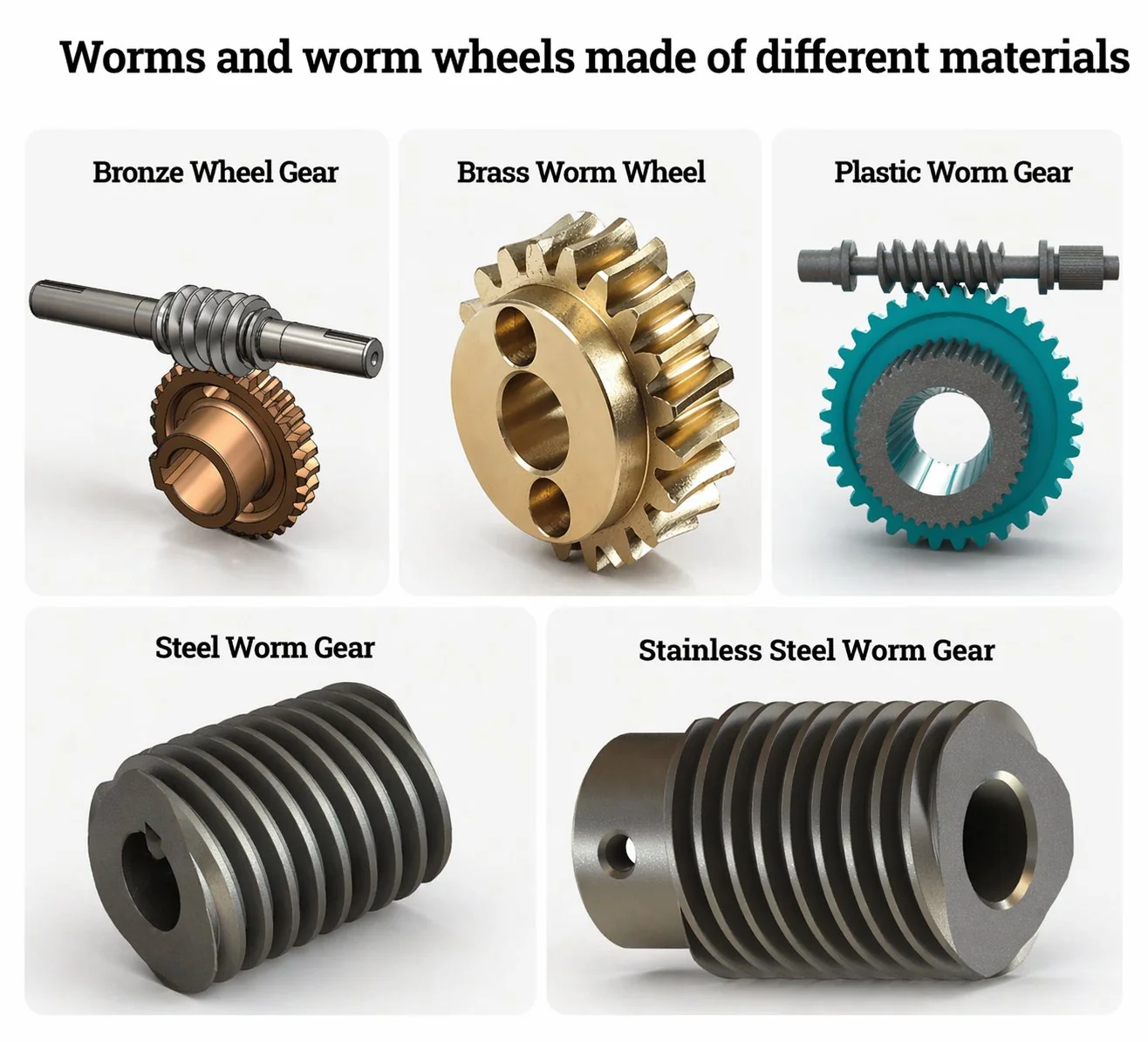
ISO 12944 C5-M nga proteksyon sa kaagnasan — espesipikasyon sa pares sa gear sa atmospera sa dagat ngadto sa gear sa ulod
Ang ISO 12944 nagklasipikar sa atmospheric corrosivity ngadto sa mga kategorya gikan sa C1 (ubos kaayo — gipainit nga mga espasyo sa sulod sa balay) ngadto sa CX (grabe — sa baybayon nga adunay direktang kontak sa tubig-alat). Ang mga pares sa marine winch worm gear nag-operate sa C4 ngadto sa C5-M depende sa klase sa barko ug operating area. Ang protocol nagmapa sa matag kategorya sa gikinahanglan nga materyal, coating, ug seal specification alang sa target nga service life nga 15 ngadto sa 25 ka tuig.
Ang pagsaka sa gasto gikan sa C4 ngadto sa CX gibana-bana nga 3 ngadto sa 5 ka pilo — panguna nga gimaneho sa materyal (316L ngadto sa duplex/Monel), pagkakomplikado sa coating (duha ka layer ngadto sa thermal-spray-plus-epoxy), ug ang dokumentasyon nga gikinahanglan alang sa offshore classification (load testing, third-party coating inspection, material traceability sumala sa EN 10204 3.1). Ang usa ka inland waterway ferry winch sa C4 nagkantidad og gibana-bana nga 1,200 USD matag worm gear pair; ang usa ka offshore platform mooring winch sa CX nagkantidad og 4,000 ngadto sa 6,000 USD alang sa katumbas nga torque capacity.
Palibot sa pagsabwag sa asin ug pag-uyog sa kubyerta sa barko
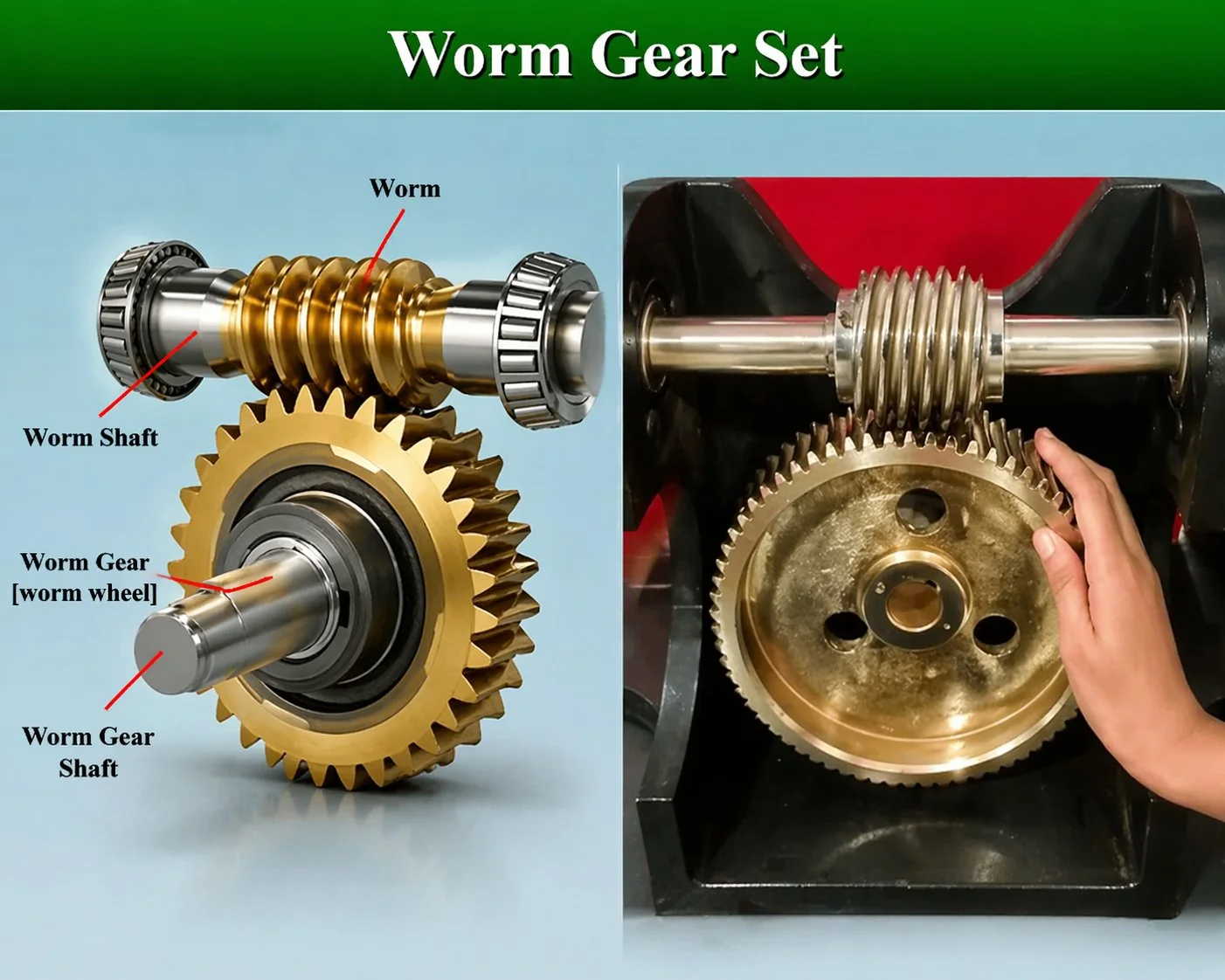
Pag-spray og asin isip padayon nga pagkaladlad sa korosi. Ang mga barkong pangdagat makasinati og padayon nga pagsabwag sa asin sa mga kagamitan sa deck — ang konsentrasyon sa asin sa hangin sa lebel sa deck kay 50 ngadto sa 300 mg/m²/adlaw (gisukod sa ISO 9225 chloride deposition rate). Kini nga salt film, inubanan sa taas nga humidity (80 ngadto sa 100 porsyento nga RH sa dagat), makamugna og electrolyte layer sa matag nabutyag nga metal surface nga magdala og padayon nga electrochemical corrosion. Ang standard carbon steel mokatap sa 0.4 ngadto sa 0.8 mm kada tuig sa mga kondisyon sa C5-M — mokonsumo sa gibag-on sa bungbong sa usa ka standard worm gear housing sulod sa 5 ngadto sa 8 ka tuig. Ang ISO 12944 coating system makamugna og babag tali sa salt electrolyte ug sa steel substrate — apan ang coating kinahanglan nga ipadayon (pag-ayo sa bisan unsang kadaot atol sa regular nga pagmentinar sa barko) aron mapadayon ang babag sulod sa 20 ngadto sa 25 ka tuig nga target nga kinabuhi.
Pag-uyog sa kubyerta sa barko. Ang mga pares sa worm gear sa dagat makasinati og padayon nga pag-uyog gikan sa pangunang makina sa barko (10 hangtod 25 Hz sa 0.5 hangtod 3 mm/s), mga auxiliary generator (25 hangtod 50 Hz), ug pag-flex sa hull tungod sa balud (0.1 hangtod 1 Hz sa ubos nga amplitude apan taas nga displacement). Kini nga pag-uyog wala magpatungha sa mahait nga mga transient sa mga mining crusher (Artikulo A26) apan padayon — 24 oras kada adlaw sa dagat. Ang epekto sa pares sa worm gear mao ang fretting corrosion sa mga nawong nga nagkontak sa ngipon sa taas nga panahon nga ang winch wala nag-operate (mooring tension hold o gitipigan sa dagat). Ang anti-fretting grease additive o periodic manual rotation (usa ka bug-os nga drum revolution kada semana atol sa mga agianan sa dagat) makapugong sa kadaot sa fretting atol sa taas nga mga panahon nga wala nag-operate.
Usa ka Korean shipyard nga nagtukod og serye sa 8 ka coastal bulk carriers (12,000 DWT) ang nagtino og mga pares sa worm gear para sa forward mooring winches — 4 ka winches matag barko, 32 ka pares sa kinatibuk-an. Ang inisyal nga espesipikasyon migamit og 304 ka stainless worms nga adunay aluminum bronze wheels ug usa ka two-layer epoxy-polyurethane coating sa 200 µm DFT — angay para sa C4 (sheltered harbor) apan kulang sa espesipikasyon para sa aktuwal nga operating environment (Korean coastal waters, C5-M). Human sa 5 ka tuig nga serbisyo, ang ikatulong barko nagtaho og mooring winch self-locking failure atol sa panahon sa bagyo — ang pares sa worm gear na-corrode na hangtod sa punto diin nausab ang friction coefficient (ang pitting corrosion sa worm thread nakapausab sa contact geometry), nga nagpamenos sa self-locking reliability sa high tension loads. Ang inspeksyon sa tanang 32 ka pares sa tibuok fleet nakakaplag og 9 ka pares nga adunay masukod nga pitting corrosion sa worm thread — ang tanang 9 adunay coating breakdown sa shaft seal interface (ang pinakahuyang nga punto para sa salt ingress). Aksyon sa pagtul-id sa tibuok fleet: ilisi ang tanang 32 ka pares sa worm gear og 316L worm, NAB wheel, ug i-upgrade ngadto sa three-layer zinc-rich-plus-epoxy-plus-polyurethane coating sa 320 µm DFT (C5-M specification). Ilisi ang tanang shaft seals og FKM double-lip type. Gasto sa pag-ilis kada pares: 1,850 USD (kumpara sa 980 USD nga orihinal). Kinatibuk-ang pag-upgrade sa fleet: 59,200 USD. Ang 870 USD nga kalainan kada pares tali sa C4 ug C5-M specification — 27,840 USD sa tibuok fleet — makapugong unta sa 59,200 USD nga pag-ilis dugang sa gibanabanang 120,000 USD sa emergency drydocking time. Leksyon: ang mga barko sa baybayon nga nag-operate sa bukas nga katubigan kay C5-M, dili C4 — bisan kung sila nag-una nga nagdunggo sa mga pantalan nga adunay silonganan. Ang pagkaladlad sa kaagnasan sa dagat ang magtino sa specification sa pares sa worm gear, dili sa lokasyon sa berth.
Tulo ka mga kaso sa espesipikasyon sa pares sa marine winch worm gear
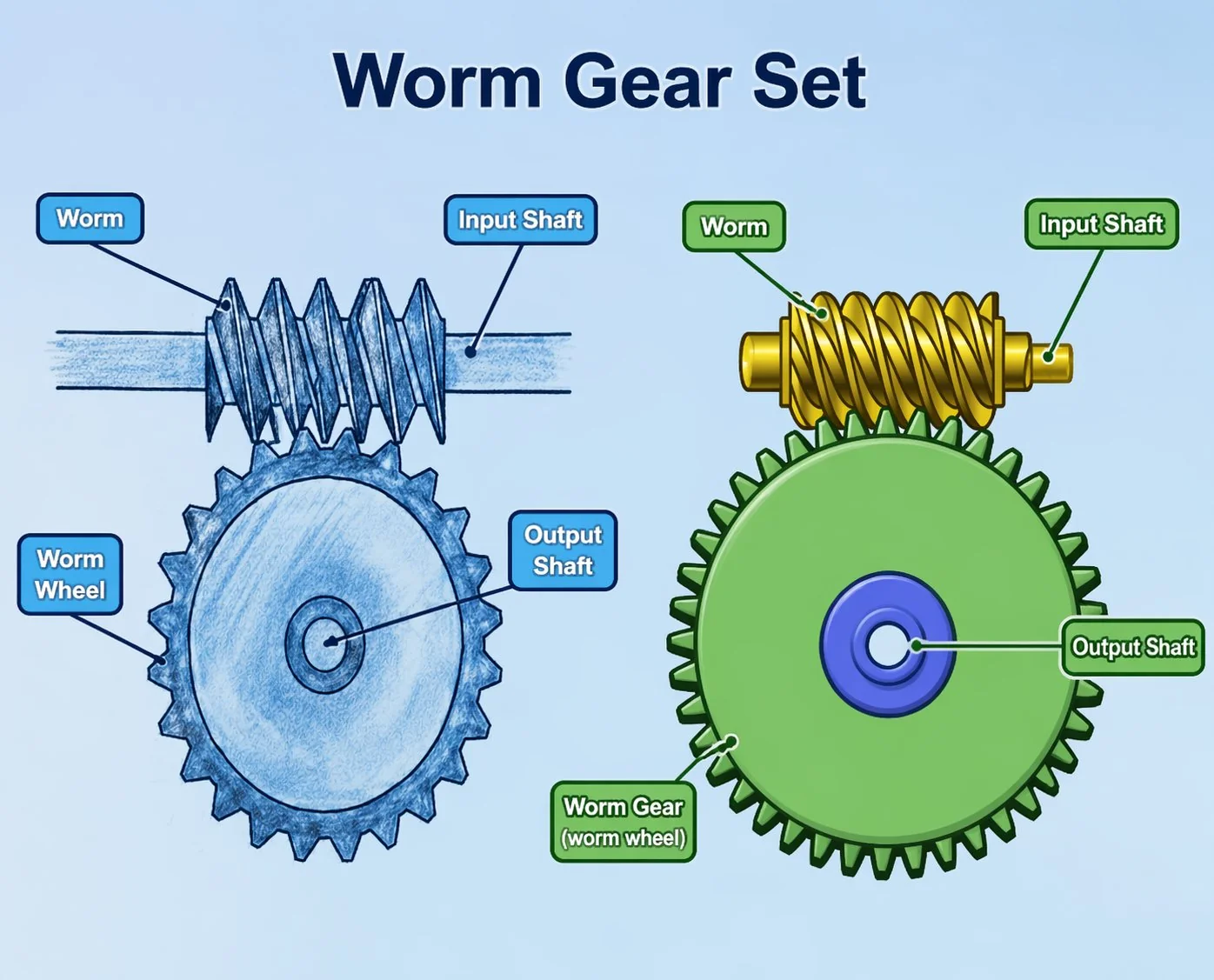
Kaso 1 — Korean shipyard: 50,000 DWT bulk carrier mooring winches, C5-M, giaprobahan sa klase
Usa ka Korean shipyard ang nagtino sa mga pares sa worm gear para sa 8 ka mooring winches (4 sa unahan, 4 sa likod) sa usa ka 50,000 DWT bulk carrier para sa internasyonal nga mga ruta sa pamatigayon. Mooring line pull: 15 tonelada kada winch. Drum speed: 8 m/min line speed. Motor: 30 kW, 1,450 RPM. Worm gear pair ratio: 35:1. Output torque sa drum shaft: 8,500 N·m. Self-locking holding capacity: 12,750 N·m (1.5 × rated kada DNV rules). Klasipikasyon: DNV GL type-approved. Materyal: 316L stainless worm (C5-M ocean-going), NAB nickel aluminum bronze wheel. Coating: zinc-rich primer 80 µm + epoxy intermediate 120 µm + polyurethane topcoat 120 µm = 320 µm total DFT. Seal: FKM double lip, IP66, nga adunay grease-packed labyrinth. Lana: ISO VG 460 marine-grade mineral EP nga adunay corrosion inhibitor. Gasto kada pares sa worm gear: 2,400 USD. Kinatibuk-an para sa 8 ka winches: 19,200 USD. Ang 25 ka tuig nga design life sa barko nagkinahanglan og usa ka pag-ilis sa mid-life worm wheel (sa Year 12 hangtod 15 drydocking) ug biannual coating touch-up sa seal interfaces.
Kaso 2 — Hapon nga deep-sea trawler: trawl winch, taas nga duty cycle, risgo sa pagtuslob sa asin
Usa ka Hapones nga tighimo og barkong pangisda ang nagtino og mga pares sa worm gear para sa 2 ka trawl winches sa usa ka 500 GT deep-sea trawler. Lahi ang trawl winches sa mooring winches sa duty cycle: ang trawl winch mohakot sa pukot sa pangisda (5 ngadto sa 15 ka tonelada) 8 ngadto sa 12 ka beses kada 24 oras nga adlaw sa pangisda — mas aktibo kay sa mooring winch nga mo-operate kausa kada port call. Drum pull: 12 ka tonelada. Line speed: 30 m/min (mas paspas kay sa mooring — ang oras sa pangisdaan mao ang oras sa produksiyon). Motor: 45 kW hydraulic. Worm gear pair ratio: 25:1. Output torque: 6,200 N·m. Ang trawl winch nahimutang sa aft working deck — direktang naladlad sa mga balod nga nagbungkag, mga sulod sa isda, spray sa tubig sa dagat, ug mga tulo sa fuel oil. Corrosion class: C5-M nga adunay splash-zone overlay (panagsa-tagsa nga pagtuslob sa tubig sa dagat panahon sa kusog nga panahon). Materyal: 316L worm, NAB wheel. Selyo: IP67 nga adunay pressurized labyrinth (ang positibo nga presyur sa grasa makapugong sa pagsulod sa tubig sa dagat atol sa mga panghitabo sa balud ibabaw sa deck). Presyo kada pares: 2,800 USD (splash-zone premium kaysa standard C5-M). Pag-browse pangpamenos sa gear sa ulod sa dagat mga opsyon para sa mga aplikasyon sa makinarya sa winch, windlass, ug deck.
Kaso 3 — Ferry sa agianan sa tubig sa sulod sa Vietnam: mooring winch, C4, gi-optimize ang gasto
Usa ka Vietnamese ferry operator ang nagtino og mga pares sa worm gear para sa 4 ka mooring winches sa usa ka 200-pasahero nga river ferry nga nag-operate sa Mekong Delta inland waterway network. Mooring line pull: 3 ka tonelada (ang ferry nagdunggo sa kalmado nga sulog sa suba nga walay pag-usab-usab sa pagtaob). Motor: 5.5 kW electric. Worm gear pair ratio: 30:1. Output torque: 1,800 N·m. Ang inland freshwater environment kay C4 (taas apan dili marine — walay salt spray, kasarangan nga humidity). Materyal: hot-dip galvanized worm (igo para sa freshwater C4), phosphor bronze wheel (walay risgo sa dezincification sa tab-ang nga tubig). Coating: two-layer epoxy-polyurethane sa 200 µm DFT. Seal: EPDM double lip, IP55. Gasto kada pares: 420 USD. Kinatibuk-an para sa 4 ka winches: 1,680 USD. Ang C4 specification nakadaginot og gibana-bana nga 1,400 USD kada pares kon itandi sa C5-M ocean-going specification — makatarunganon tungod kay ang ferry wala gyud nakasulod sa parat nga tubig. Ang 15 ka tuig nga design life sa ferry wala magkinahanglan og pag-ilis sa ligid nga hapit na magamit sa gaan ug dili delikado nga tab-ang nga palibot.
Mga Kanunayng Gipangutana nga Pangutana
P: Kinahanglan ba og pag-apruba sa classification society ang usa ka pares sa marine mooring winch worm gear?
Para sa mga barkong pangkomersyo nga sakop sa SOLAS ug mga lagda sa klasipikasyon (tanang barkong pangkargamento, barkong pampasahero, ug mga barkong pang-offshore): oo — ang pares sa worm gear kinahanglan nga type-approved o indibidwal nga sertipikado sa magamit nga classification society. Ang pag-apruba naglangkob sa sertipikasyon sa materyal, pag-verify sa disenyo (stress analysis), kalidad sa paggama (welding, machining, heat treatment), ug load testing (1.5 ka pilo nga rated capacity). Para sa gagmay nga mga barko nga ubos sa classification survey (mga sakayan sa pangisda nga ubos sa 24 metros, mga barkong panglingaw), ang pag-apruba sa klase dili legal nga gikinahanglan apan girekomenda alang sa mga hinungdan sa insurance ug kaluwasan. Ang gasto sa dokumentasyon alang sa pag-apruba sa klase nagdugang og 300 ngadto sa 800 USD matag pares — gilakip sa presyo sa marine-grade.
P: Giunsa makaapekto ang fretting corrosion sa mga pares sa gear sa marine worm?
Mahitabo ang fretting kon ang mga nawong sa worm ug wheel tooth makasinati og micro-motion (0.01 ngadto sa 0.1 mm amplitude) gikan sa vibration sa barko samtang ubos sa static load (mooring tension). Ang micro-motion makabalda sa lubricant film, makabutyag sa hubo nga metal, ug makamugna og oxide debris nga molihok isip abrasive — nga mopadali sa localized wear sa tooth contact point. Sulod sa mga bulan nga pag-mooring sa berth nga adunay engine-transmitted vibration, ang fretting mahimong makamugna og makita nga pitting sa contact zone. Paglikay: gamit og grease nga adunay anti-fretting additive (molybdenum disulphide o graphite); i-rotate ang winch drum usa ka bug-os nga rebolusyon kada semana atol sa taas nga port stays; ug i-iskedyul ang worm gear pair inspection atol sa tinuig nga class survey aron mahibal-an ang fretting sa dili pa kini makadaot sa self-locking contact geometry.
P: Mahimo ba gamiton ang 2-start worm sa usa ka marine mooring winch?
Dili — ang mga pares sa mooring winch worm gear kinahanglan nga single-start para sa self-locking. Ang 2-start nga pares mo-back-drive ubos sa mooring tension, nga magtugot sa mooring line nga mo-irog nga dili mapugngan — usa ka kritikal nga peligro sa kaluwasan. Ang mga cargo winch (nga naggamit ug lahi nga preno para sa load holding imbes nga mosalig sa self-locking) mahimong mogamit ug 2-start nga mga pares para sa mas taas nga efficiency atol sa mga operasyon sa paghakot. Ang mga anchor windlasses naggamit ug single-start sa parehas nga hinungdan sa mga mooring winch — ang anchor dili kinahanglan nga mo-irog kung mohunong ang motor. Ang kinahanglanon sa self-locking hingpit ug dili mausab alang sa tanang aplikasyon sa line-holding marine winch.
P: Unsa ang gilauman nga gidugayon sa serbisyo sa usa ka pares sa marine winch worm gear?
Gidisenyo alang sa kinabuhi sa barko: 20 ngadto sa 25 ka tuig nga adunay usa ka pag-ilis sa ligid sa tunga-tunga sa kinabuhi sa Tuig 12 ngadto sa 15 (kauban sa ikaduhang espesyal nga survey drydocking). Ang steel worm (316L o duplex) molungtad sa tibuok kinabuhi sa barko kon ang coating gimentinar. Ang NAB o aluminum bronze wheel mao ang wear element — ang oras sa pag-operate kasagaran 200 ngadto sa 500 kada tuig (mga operasyon sa mooring lamang), busa ang mekanikal nga pagkaguba gamay ra. Ang hinungdan nga naglimite sa kinabuhi mao ang corrosion — external man (pagkapakyas sa coating nga nagbutyag sa housing) o internal (pagkapakyas sa seal nga nagtugot sa pagsabwag sa asin ngadto sa lana). Uban sa C5-M specification ug tinuig nga coating maintenance, ang 25 ka tuig nga target makab-ot.
P: Unsang lubricant ang gigamit sa mga pares sa marine winch worm gear?
Ang marine-grade mineral EP oil nga ISO VG 460 o 680 nga adunay corrosion inhibitor ug anti-fretting additive mao ang standard. Ang sintetikong PAG gigamit para sa mga aplikasyon nga adunay grabeng temperatura (Arctic, tropical) diin ang range sa temperatura molapas sa working envelope sa mineral oil. Interval sa pag-ilis sa lana: kada tuig atol sa class survey, o kung ang oil analysis nagpakita sa water content nga labaw sa 0.5 porsyento (nagpakita sa seal degradation nga nagtugot sa salt spray ingress) o acid number nga labaw sa 2.0 mgKOH/g. Ang ubang gagmay nga mga winch sa barko sa pangisda naggamit ug marine-grade grease imbes nga lana para sa kasayon — madawat para sa mga winch nga ubos sa 5 ka tonelada nga line pull diin ang kainit nga namugna atol sa paghakot igo nga ubos para madumala ang grasa.
Ang mga pares sa marine winch worm gear mo-operate ubos sa labing agresibo nga mga kondisyon sa atmospheric corrosion sa bisan unsang industriyal nga aplikasyon — ISO 12944 C5-M salt spray sa 50 hangtod 300 mg/m²/adlaw, padayon nga humidity nga labaw sa 80 porsyento, ug UV exposure sa mga bukas nga deck sulod sa 20 hangtod 25 ka tuig. Ang C5-M corrosion protocol nagmapa niini nga palibot ngadto sa 316L stainless o duplex worm, NAB wheel, three-layer coating sa 320 µm minimum DFT, ug FKM seals — usa ka lebel sa espesipikasyon nga nagkantidad og 2 hangtod 5 ka pilo nga mas mahal kaysa sa inland C4 apan mandatory alang sa bisan unsang barko nga nag-operate sa bukas nga baybayon o kadagatan. Ang self-locking nagkupot sa mooring tension nga walay motor power — usa ka safety function diin ang pagkapakyas atol sa bagyo mahimong mosangpot sa vessel drift ug structural damage. Ang pag-apruba sa classification society nagsiguro nga ang pares sa worm gear makatuman sa napamatud-an nga mga sumbanan sa disenyo, materyal, ug load-testing nga gikinahanglan sa kaluwasan sa kadagatan.
Para sa mga shipyard, mga tiggama og kagamitan sa dagat, ug mga operator sa barko, ang among engineering desk nagklasipikar sa palibot sa kaagnasan ug nagrekomendar sa lebel sa proteksyon nga ISO 12944. Standard nga katalogo mga set sa gear sa ulod nga grado sa dagat tabuni ang mga gidak-on sa winch gikan sa 80 ngadto sa 250 mm nga gilay-on sa sentro gamit ang materyal nga C4 ngadto sa C5-M ug mga pakete sa coating. Pagsumite og espesipikasyon sa marine winch drive uban sa klase sa barko, pull line pull, operating waters, ug kinahanglanon sa classification society.
Pagtino sa mga pares sa worm gear para sa mga marine winch o deck machinery?
Klase sa barko nga ipadala, gibug-aton sa mooring line pull o anchor, katubigan nga naglihok (inland, coastal, ocean, offshore), classification society, ug gidugayon sa disenyo sa barko. Among klasipikahon ang kategorya sa corrosion ug irekomendar ang materyal, coating, ug seal specification.
Editor: Cxm