Korea Ever-Power · Руководство по применению инженерных решений
Червяк и червячное колесо для приводов индексации упаковочных машин
В упаковочном цехе, где одновременно работают 12 машин, уровень шума при 8-часовом рабочем дне должен оставаться ниже 85 дБ(А). На каждую машину заложено 78 дБ(А). Каждая машина имеет от 6 до 10 источников шума. На зубчатую пару индексирующего привода заложено от 65 до 68 дБ(А) шума — и соответствие этому показателю зависит от одной характеристики: качества обработки поверхности червячного вала.
Упаковочные машины — картонажные машины, машины для упаковки в коробки, машины для формования, наполнения и запечатывания, машины для пленочной упаковки и термоусадочные туннели — используют червячные передачи для приводов, которые перемещают продукт по машине с точными циклами пуска-остановки-пуска. Метод распределения шумового бюджета является инструментом спецификации, который связывает предельный уровень шума на производстве в упаковочном цехе (85 дБ(А) согласно OSHA, 80 дБ(А) согласно директиве ЕС) с вкладом шума от каждой отдельной пары червячных передач. При наличии от 6 до 10 источников шума на машину каждому источнику выделяется от 65 до 68 дБ(А) — достижимо с помощью шлифованного червяка с Ra 0,4 мкм, но не с помощью зубчатого червяка с Ra 1,6 мкм (который производит от 70 до 76 дБ(А)). Приводы для индексации упаковочных машин отличаются от приводов в системах непрерывного движения принципом работы «старт-стоп»: 60–200 циклов индексации в минуту создают пики момента ускорения и замедления на каждом цикле, что требует коэффициента запаса прочности от 1,5 до 2,0. Однозаходные червячные передачи обеспечивают фиксацию положения между индексациями (картонная коробка остается на месте во время наполнения, запечатывания или маркировки); двухзаходные передачи повышают эффективность на станциях непрерывного движения, где фиксация положения не требуется.
Почему в упаковочных машинах для приводов индексации используются червячные передачи?
Упаковочная машина перемещает продукцию через ряд операций: сборка картонной коробки, размещение продукции внутри, закрытие клапанов, склеивание или запечатывание, нанесение кода даты и группировка в ящики. Каждая операция требует кратковременной остановки продукции (от 50 до 200 миллисекунд) для ее выполнения, после чего она перемещается на следующую станцию. Это движение «старт-остановка-перемещение» называется индексацией.
Червячная передача является предпочтительным приводом для индексации, поскольку она удерживает изделие в неподвижном состоянии во время работы (самоблокировка), плавно перемещает его во время перемещения (низкий уровень вибрации) и компактно размещается внутри рамы машины (ориентация двигателя на 90 градусов). Эти три свойства делают червячную передачу и червячное колесо стандартным решением для индексации упаковки со скоростью до 200 индексаций в минуту.
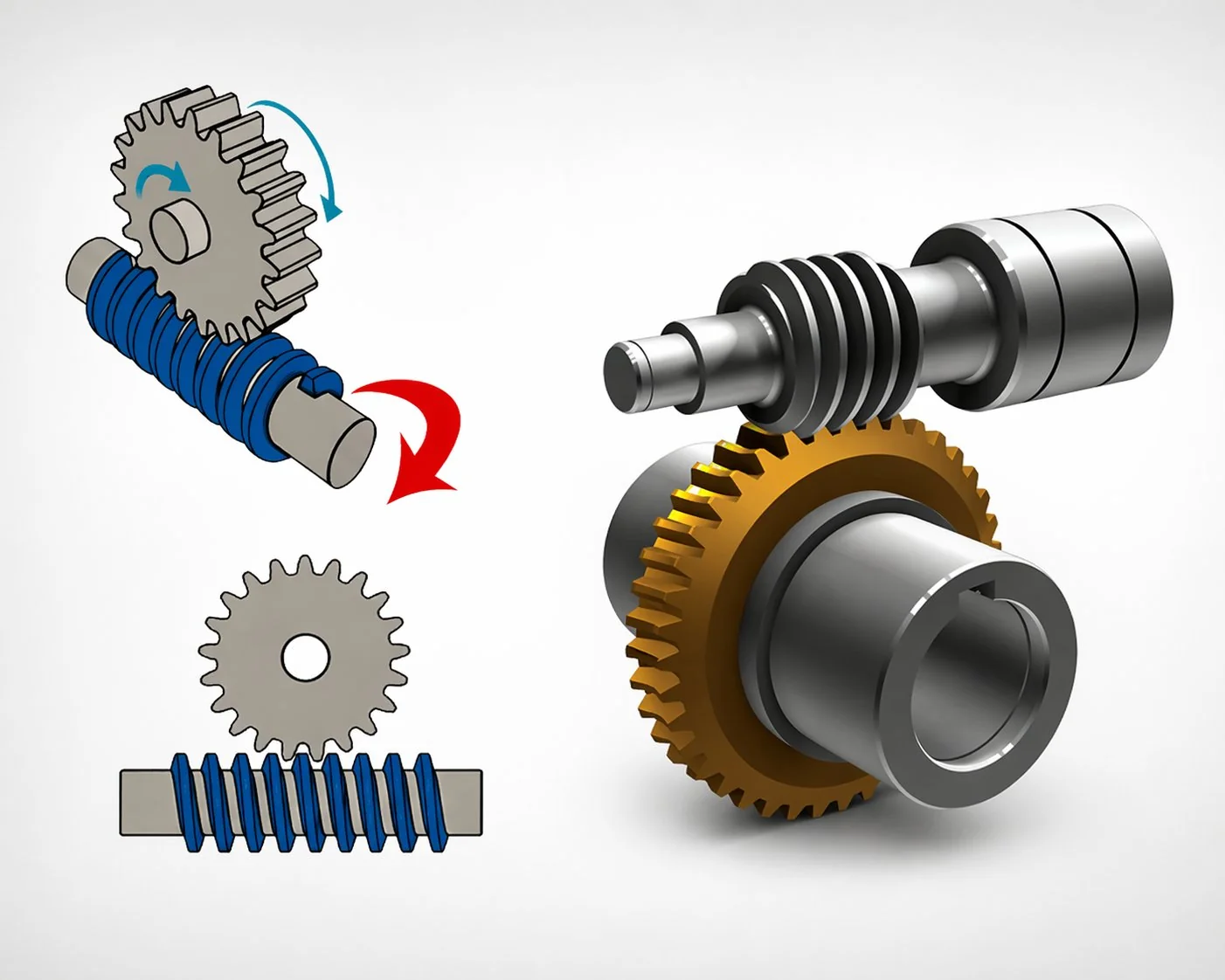
Самоблокирующаяся система удерживает конвейер или поворотную головку в неподвижном положении между положениями. Продукт остается точно в нужном положении под разливочной головкой, запаечной планкой или аппликатором этикеток без отдельного тормоза или механической блокировки.
Встроенный в червячную передачу скользящий контакт обеспечивает плавную кривую ускорения без вибрации, возникающей при зацеплении прямозубых или косозубых шестерен, — это важно, поскольку вибрация в момент начала индексации может смещать положение продукта в коробке или на конвейере.
В упаковочном цехе с 8-20 машинами уровень шума должен оставаться ниже допустимых пределов для 8-часовой рабочей нагрузки. Шум скольжения червячной передачи на 8-15 дБ(А) ниже, чем аналогичный шум зацепления прямозубой шестерни, что вносит существенный вклад в общий шумовой баланс цеха.
Распределение шумового бюджета — от предельного значения для зала до целевого значения для пары червячных передач.
Метод расчета шумового бюджета работает в обратном направлении от нормативного предела к распределению шума по отдельным компонентам. Логика основана на правиле сложения децибел: N одинаковых источников на уровне L каждый издает суммарный уровень L + 10 × log₁₀(N). В обратном порядке: уровень отдельного источника должен быть L_total − 10 × log₁₀(N).
В таблице ниже показано, как изменяется шумовой баланс червячной передачи в зависимости от количества станков в цехе и применяемого нормативного стандарта.
Таблица выявляет важный момент: червячная передача, которая вполне приемлема для цеха с 4 машинами, соответствующего требованиям OSHA (червяк с зубчатым колесом Ra 0,8 мкм при допустимом уровне шума 71 дБ), становится не соответствующей требованиям в цехе с 20 машинами, соответствующими стандартам ЕС (требуется червяк с притертым колесом Ra 0,2 мкм плюс колесо из полиоксиметилена при допустимом уровне шума 57 дБ). Одна и та же спецификация червячной передачи не может применяться во всех упаковочных цехах — допустимый уровень шума зависит от количества машин, находящихся в одном помещении. Производителям упаковочных машин, реализующим свою продукцию по всему миру, необходимы как минимум два класса шума червячной передачи: стандартный (Ra 0,4–0,8 мкм) для небольших и средних цехов и премиальный (Ra 0,2 мкм + полиоксиметилен) для крупных цехов, соответствующих стандартам ЕС.
Режим индексации «пуск-остановка» — момент ускорения и коэффициент запаса прочности.
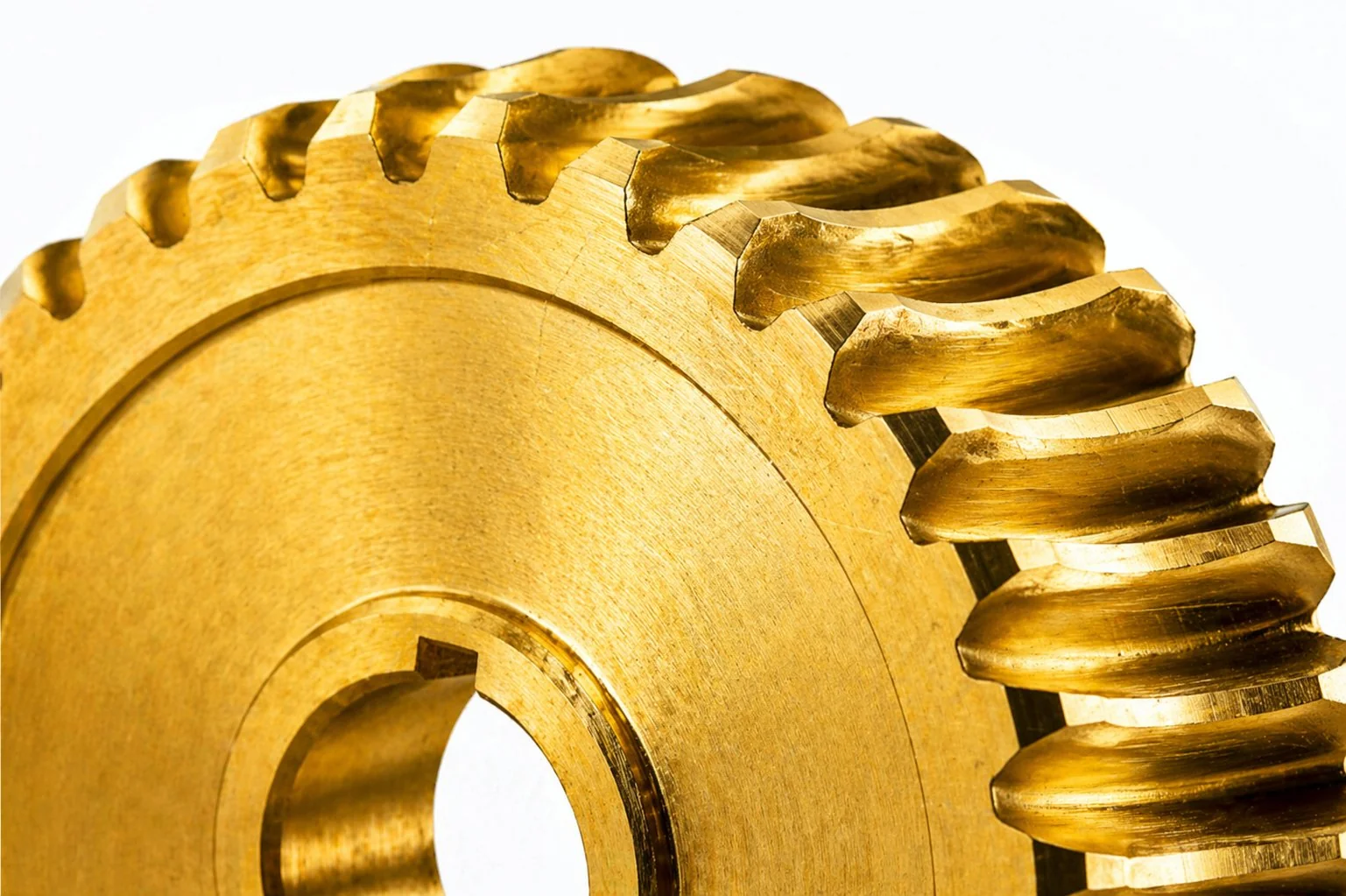
Приводы для индексации упаковочных конвейеров принципиально отличаются от приводов непрерывного действия: двигатель разгоняет конвейер от нуля до полной скорости, перемещает его на один шаг индексации (от 50 до 300 мм), а затем замедляется до нуля — от 60 до 200 раз в минуту. Каждая фаза ускорения генерирует скачок крутящего момента, в 1,5–2,5 раза превышающий крутящий момент в установившемся режиме, в зависимости от массы продукта, шага индексации и времени ускорения.
Коэффициент обслуживания для индексации. Стандартные каталоги червячных передач непрерывного действия предполагают работу в установившемся режиме. Для режима индексации требуется коэффициент запаса прочности от 1,5 до 2,0, применяемый к пиковому моменту ускорения (а не к среднему моменту). Для картонажной машины, индексирующейся со скоростью 150 циклов в минуту, с массой продукта 0,5 кг на станцию и 20 станциями на конвейере: общая масса перемещаемых элементов составляет приблизительно 10 кг плюс масса конвейерной цепи (обычно от 5 до 15 кг). При времени разгона 0,1 секунды до скорости индексации 0,5 м/с момент ускорения примерно в 1,8 раза превышает момент трения. При коэффициенте запаса прочности 1,5 для режима индексации, червячная передача должна быть рассчитана на момент, в 2,7 раза превышающий момент трения — почти в три раза больше, чем можно было бы предположить, исходя только из натяжения ремня.
Однозаходное против двухзаходного индексирования. Для индексирующих станций, требующих удержания положения во время фазы задержки (наполнительные головки, запаечные планки, аппликаторы этикеток), необходимы червячные передачи с однозаходным самоблокирующимся механизмом. Для станций с непрерывным движением (подающие конвейеры, конвейерные ленты) можно использовать двухзаходные пары, что повышает эффективность на 15–25 процентных пунктов. Типичная упаковочная машина имеет от 2 до 3 индексирующих червячных передач (однозаходные) и от 1 до 2 передач непрерывного движения (двухзаходные) — правильная спецификация определяется для каждой станции, а не для всей машины.
Корейская компания по контрактной упаковке косметики, эксплуатирующая 8 картонажных машин в упаковочном цехе площадью 1200 м², получила предписание KOSHA (Корейское агентство по охране труда и технике безопасности) о превышении уровня шума: 87,2 дБ(А) в среднем за время работы операторов — что превышает допустимый предел в 85 дБ(А). Компания первоначально рассматривала возможность установки звукоизолирующих кожухов вокруг каждой машины по цене 4500 долларов США за машину (всего 36 000 долларов США за 8 машин). Перед началом работ инженер по техническому обслуживанию измерил шум отдельных компонентов и обнаружил, что червячные передачи на 6 из 8 машин имеют зубчатую обработку поверхности (Ra от 1,2 до 1,6 мкм), каждая из которых вносит вклад в размере от 72 до 76 дБ(А). Замена всех червячных передач (18 пар на 6 машинах) на пары с шлифованной поверхностью (Ra 0,4 мкм) снизила уровень шума на каждой машине на 6–8 дБ(А) — средневзвешенный уровень шума в цехе снизился с 87,2 до примерно 81 дБ(А), что значительно ниже предельного значения в 85 дБ. Стоимость замены червячных передач: 18 пар × 95 долларов США = 1710 долларов США. Акустические кожухи были отменены. Соответствие требованиям по уровню шума достигнуто за 1710 долларов США вместо 36 000 долларов США — экономия в 95 процентов. Вывод: прежде чем выбирать акустические кожухи для шумного упаковочного цеха, проверьте, были ли червячные передачи изготовлены методом фрезерования или шлифовки. Улучшение качества обработки поверхности только червячных передач может решить проблему шума за 5 процентов от стоимости кожуха.
Технические характеристики трех пар червячных передач для упаковочных машин
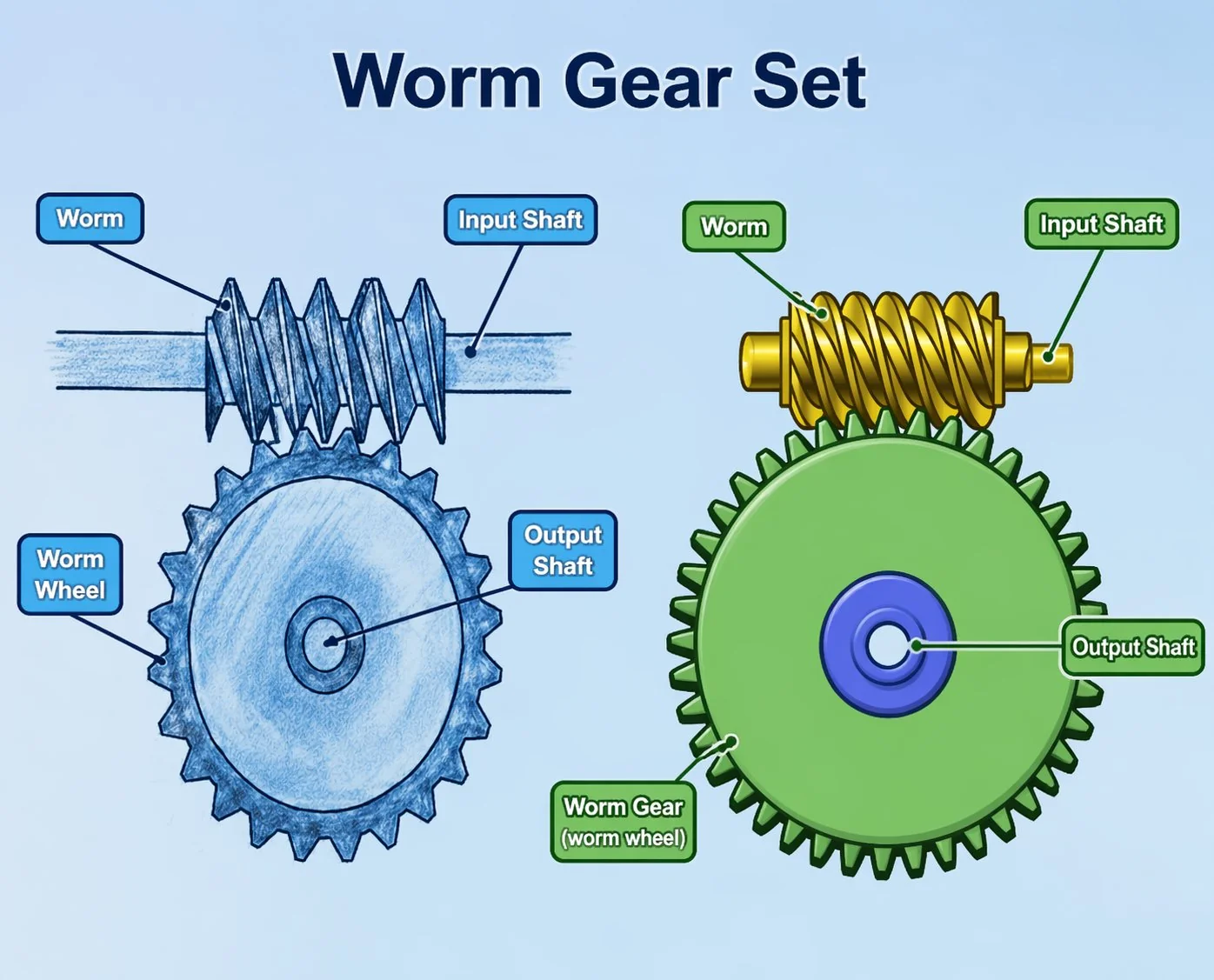
Пример 1 — Корейская картонажная мастерская по производству косметики: 120 коробок в минуту, 8-машинный цех, характеристики, зависящие от уровня шума.
Корейский производитель косметики по контракту заказал червячные передачи для 3 индексирующих приводов на каждую картонажную машину (индексирующий привод основного конвейера, привод для сборки коробок, привод для закрытия клапанов) на 8 машинах. Скорость индексации: 120 коробок в минуту. Вес коробки: 85 г (с продуктом). Масса конвейера: 12 кг. Шаг индексации: 120 мм. Время разгона: 0,08 секунды. Пиковый момент разгона: 28 Н·м. Коэффициент запаса прочности для индексации: 1,5. Требуемый момент T: 42 Н·м на привод. Уровень шума при работе 8 машин в цехе: 66 дБ(А) на источник (предел OSHA 85 дБ). Червячная передача: однозаходная, модуль 2, межосевое расстояние 50 мм, передаточное отношение 20:1, шлифовка Ra 0,4 мкм. Измеренный уровень шума: 62 дБ(А) на пару — в пределах допустимого уровня 66 дБ(А) с запасом 4 дБ. Материал: оцинкованный червяк, колесо из фосфористой бронзы. Стоимость за пару: 68 долларов США. Стоимость для 3 приводов × 8 машин = 24 пары: 1632 доллара США. Уровень шума Холла после замены червячных пар с заземлением: 81 дБ(А) TWA — соответствует требованиям.
Пример 2 — Японская фармацевтическая блистерная упаковочная машина: 180 шт./мин, расположена рядом с чистым помещением, низкий уровень вибрации.
Японская компания по производству фармацевтической упаковки заказала червячные передачи для термоформовочного индексирующего привода блистерной упаковочной машины, работающей со скоростью 180 блистеров в минуту. Машина располагалась в чистом помещении класса ISO 8, примыкающем к нему. Два требования, выходящие за рамки стандартной упаковки: низкий уровень вибрации (термоформовочная станция чувствительна к нагреву — вибрация вызывает неравномерный нагрев ПВХ) и фармацевтическая документация (сертификаты EN 10204 Type 2.2, смазка NSF H1). Червячная передача: однозаходная, модуль 2, межосевое расстояние 50 мм, передаточное отношение 15:1, шлифовка Ra 0,4 мкм, червяк из стали AISI 304, колесо из фосфористой бронзы. Синтетическая смазка NSF H1. Измеренная вибрация на термоформовочной станции: 0,03 мм/с RMS — в пределах допустимого для процесса формования значения 0,08 мм/с. Уровень шума: 60 дБ(А) на расстоянии 1 м. Стоимость пары: 125 долларов США (включая надбавку за фармацевтическую документацию). червячный редуктор для упаковки варианты, разработанные для применения в упаковочных процессах с контролируемым уровнем шума и вблизи чистых помещений.
Пример 3 — Вьетнамская термоусадочная упаковочная машина для напитков: 80 шт./мин, конкурентоспособная стоимость, цех с 4 машинами.
Вьетнамская компания по производству напитков выбрала червячные передачи для двух индексирующих приводов на каждой термоусадочной упаковочной машине (индексация подачи и индексация продвижения пленки) на 4 машинах. Скорость индексации: 80 упаковок в минуту. Вес упаковки: 6 кг (12 × 500 мл ПЭТ-бутылок). Шаг индексации: 250 мм. Время ускорения: 0,15 секунды. Пиковый момент ускорения: 85 Н·м (тяжелая упаковка). Коэффициент запаса прочности для индексации: 2,0 (тяжелая нагрузка, высокое ускорение). Требуемое усилие: 170 Н·м. Уровень шума на 4 машинах, OSHA 85 дБ: 71 дБ(А) на источник — достижимо с червячными передачами с зубчатой обработкой при Ra 0,8 мкм (измерено 68 дБ(А)). Больший уровень шума исключил необходимость шлифовки — экономия составляет приблизительно 22 доллара США на пару. Червячная передача: однозаходная, модуль 3, межосевое расстояние 63 мм, передаточное отношение 25:1, зубофрезерование Ra 0,8 мкм. Материал: оцинкованный червяк, колесо из фосфористой бронзы. Стоимость за пару: 58 долларов США. Стоимость для 2 приводов × 4 машин = 8 пар: 464 доллара США. Данный пример демонстрирует, что метод оценки шумового баланса иногда оправдывает использование более дешевой зубофрезерованной обработки червячного колеса — не для каждого применения в упаковке требуется шлифованная обработка.
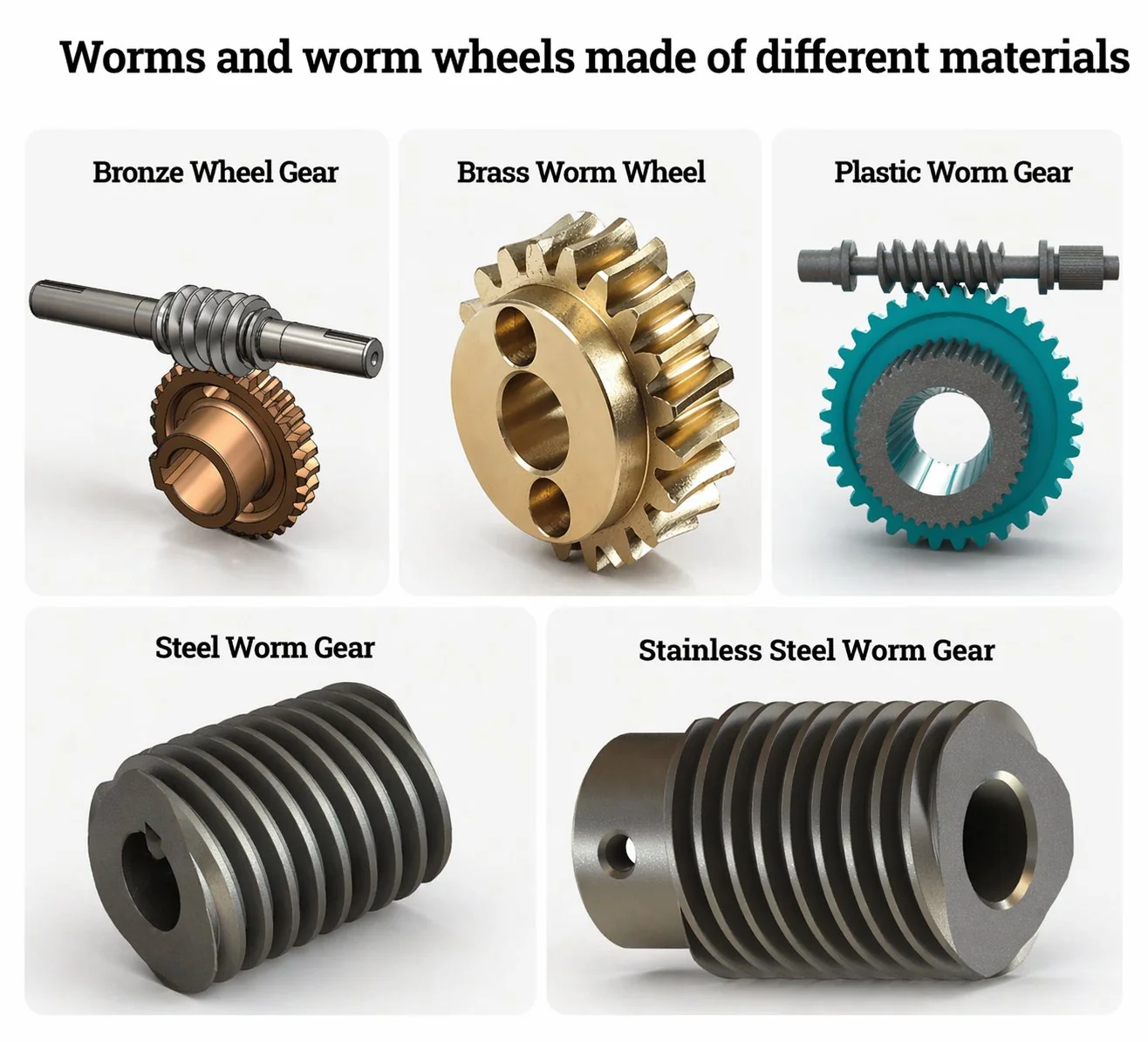
Часто задаваемые вопросы
В: Как измерить вклад шума червячной передачи в работу существующего станка?
Измерьте общий уровень шума машины при работающих всех источниках (L_total). Затем остановите или отсоедините червячную передачу (если это механически возможно) и измерьте уровень шума при работающих всех остальных источниках (L_remaining). Вклад червячной пары рассчитывается по формуле: L_worm = 10 × log₁₀(10^(L_total/10) − 10^(L_remaining/10)). Если червячную пару невозможно изолировать, используйте измерение в ближнем поле с помощью датчика интенсивности звука, расположенного на расстоянии 50–100 мм от корпуса червячной передачи — это позволит получить уровень шума для каждого источника с меньшим влиянием других источников. Сравните измеренный уровень шума червячной пары с распределением шумового бюджета для конкретной конфигурации зала.
В: Усиливается ли шум червячной передачи с увеличением скорости индексации?
Да — шум зацепления зубчатых передач увеличивается примерно на 3 дБ(А) при удвоении скорости вращения. Пара червячных передач, создающая шум 62 дБ(А) при 60 перемещениях в минуту, будет создавать шум примерно 65 дБ(А) при 120 перемещениях в минуту и 68 дБ(А) при 240 перемещениях в минуту. Такая зависимость шума от скорости означает, что допустимый уровень шума может быть достигнут на низкой скорости, но превышен на высокой скорости на одной и той же машине. Упаковочные машины с возможностью регулирования скорости следует тестировать на шум при максимальной номинальной скорости, а не при типичной рабочей скорости — допустимый уровень шума должен быть достигнут в наихудшем случае.
В: Можно ли использовать сервомотор с червячной передачей для индексации упаковки?
Да — серводвигатели с обратной связью от энкодера становятся все более распространенными для высокоточной индексации упаковки. Пара червячных передач обеспечивает механическое передаточное отношение и самоблокировку; сервопривод обеспечивает точное управление положением с программируемыми профилями ускорения. Такая комбинация устраняет необходимость в механических индексаторах с кулачковым приводом (женевские механизмы, цилиндрические кулачки), которые ограничены фиксированным шагом индексации. Комбинация сервопривода и червячной передачи позволяет изменять шаг индексации, профиль ускорения и время задержки посредством изменения программных настроек, что обеспечивает быструю смену форматов продукции. При использовании с сервоприводами люфт пары червячных передач следует задавать в узком диапазоне (менее 8 угловых минут), поскольку контур позиционирования контроллера сервопривода может колебаться, если люфт превышает значение мертвой зоны контроллера.
В: Как долго обычно служат червячные передачи упаковочных машин?
Упаковочные машины обычно работают в одну или две смены (от 2000 до 4500 часов в год) со скоростью индексации от 60 до 200 циклов в минуту. При 120 циклах в минуту и 3000 часах в год годовое количество циклов составляет приблизительно 21,6 миллиона — это один из самых высокочастотных показателей для червячных передач. Несмотря на такое высокое количество циклов, крутящий момент за цикл невелик (типично от 10 до 100 Н·м), поэтому суммарное усталостное повреждение за цикл незначительно. Срок службы бронзового червяка в этих условиях: от 3 до 6 лет, в большей степени ограничен увеличением люфта, влияющим на точность индексации, чем поломкой зубьев. Срок службы стального червяка: от 8 до 15 лет. Ежегодное измерение люфта является основным инструментом мониторинга — планируйте замену червяка, когда люфт превышает допуск положения индексации машины (обычно от 0,1 до 0,3 мм на конвейере с продукцией).
В: Есть ли преимущество в плане снижения шума при использовании червячного колеса из полиоксиметилена (ПОМ) вместо бронзового в упаковочной промышленности?
Червячные колеса из полиоксиметилена (ПОМ) производят на 8–12 дБ(А) меньше шума, чем бронзовые, при той же скорости и нагрузке — демпфирование материала поглощает энергию вибрации зацепления. Для упаковочных машин, работающих в больших цехах, соответствующих стандартам ЕС, где допустимый уровень шума червячной пары ниже 60 дБ(А), колесо из ПОМ в сочетании с шлифованным или притертым червяком (Ra 0,2–0,4 мкм) может обеспечить уровень шума 48–55 дБ(А) — что вполне укладывается в самые сжатые сроки. Компромисс заключается в сроке службы колеса: ПОМ служит 1,5–3 года при индексации упаковки против 3–6 лет у бронзы. При низких крутящих моментах, характерных для упаковки (10–80 Н·м), ПОМ механически достаточен — нагрузка находится в пределах допустимого контактного напряжения для ПОМ. Разница в стоимости одного колеса (ПОМ 4–8 долларов США против бронзы 15–25 долларов США) еще больше склоняет чашу весов в пользу ПОМ как экономически эффективного решения проблемы шума, несмотря на более короткий цикл замены.
Червячные передачи упаковочных машин работают на стыке регулирования уровня шума и точности индексации. Метод распределения шумового бюджета — обратный от предельной нагрузки на производственный цех через количество машин и источников шума к целевому показателю вклада каждой отдельной червячной передачи — определяет, требуется ли зубофрезерование, шлифовка или притирка поверхности. В цехе с 4 машинами, соответствующих требованиям OSHA, могут использоваться зубофрезерованные пары с шероховатостью Ra 0,8 мкм; в цехе с 20 машинами, соответствующих требованиям ЕС, могут потребоваться притирочные пары с полиоксиметиленовыми (POM) колесами с шероховатостью Ra 0,2 мкм. Индексация с частотой от 60 до 200 циклов в минуту приводит к миллионам циклов запуска-остановки в год, что требует коэффициентов запаса прочности от 1,5 до 2,0, применяемых к пиковому моменту ускорения, а не к среднему рабочему моменту. Спецификация применяется к каждой станции отдельно: для индексирующих станций требуются самоблокирующиеся червячные передачи с одним пуском; для станций непрерывного движения выгоднее использовать двухзаходные передачи.
Для производителей упаковочного оборудования наш инженерный отдел проводит расчет шумового баланса для конфигурации вашего цеха и рекомендует класс отделки поверхности. Стандартный каталог компактные червячные редукторы Изделия могут быть обработаны зубофрезерованием, шлифованием и притиркой, с возможностью выбора бронзового или полиоксиметиленового шлифовального круга с межосевым расстоянием от 40 до 80 мм. Отправьте заявку. Технические характеристики привода упаковки с учетом коэффициента индексации, веса продукции, размеров зала и допустимого уровня шума.
Выбираете ли вы червячные передачи для индексации упаковочных машин?
Укажите частоту вращения (в минуту), вес изделия, количество станков в цехе, нормативные стандарты шума (OSHA, ЕС, Корея), а также тип привода: индексирующий или непрерывный. Мы рассчитаем шумовой баланс и порекомендуем подходящую обработку поверхности и материал колеса.
Запросить техническое задание на привод упаковочной машины →
Редактор: Cxm