Korea Ever-Power · Application Engineering Guide
Wormwieloverbrenging voor toneelmechanismen en theatervliegsystemen.
Een acteur zweeft 8 meter boven een podium aan een gemotoriseerde flybar, opgehangen aan twee stalen kabels die door een wormwieloverbrenging lopen. Het publiek zit in stilte – 800 mensen, omgevingsgeluid 28 dB(A). De wormwieloverbrenging moet het gewicht van de acteur met een veiligheidsfactor van 8 kunnen dragen, met een geluidsniveau onder de 32 dB(A) bewegen en op een precieze hoogte stoppen met een tolerantie van plus of minus 5 mm – dit alles gelijktijdig, avond na avond, gedurende 300 voorstellingen per jaar. Geen enkele andere toepassing in deze reeks combineert levensveiligheid, extreme stilte en artistieke precisie in één specificatie.
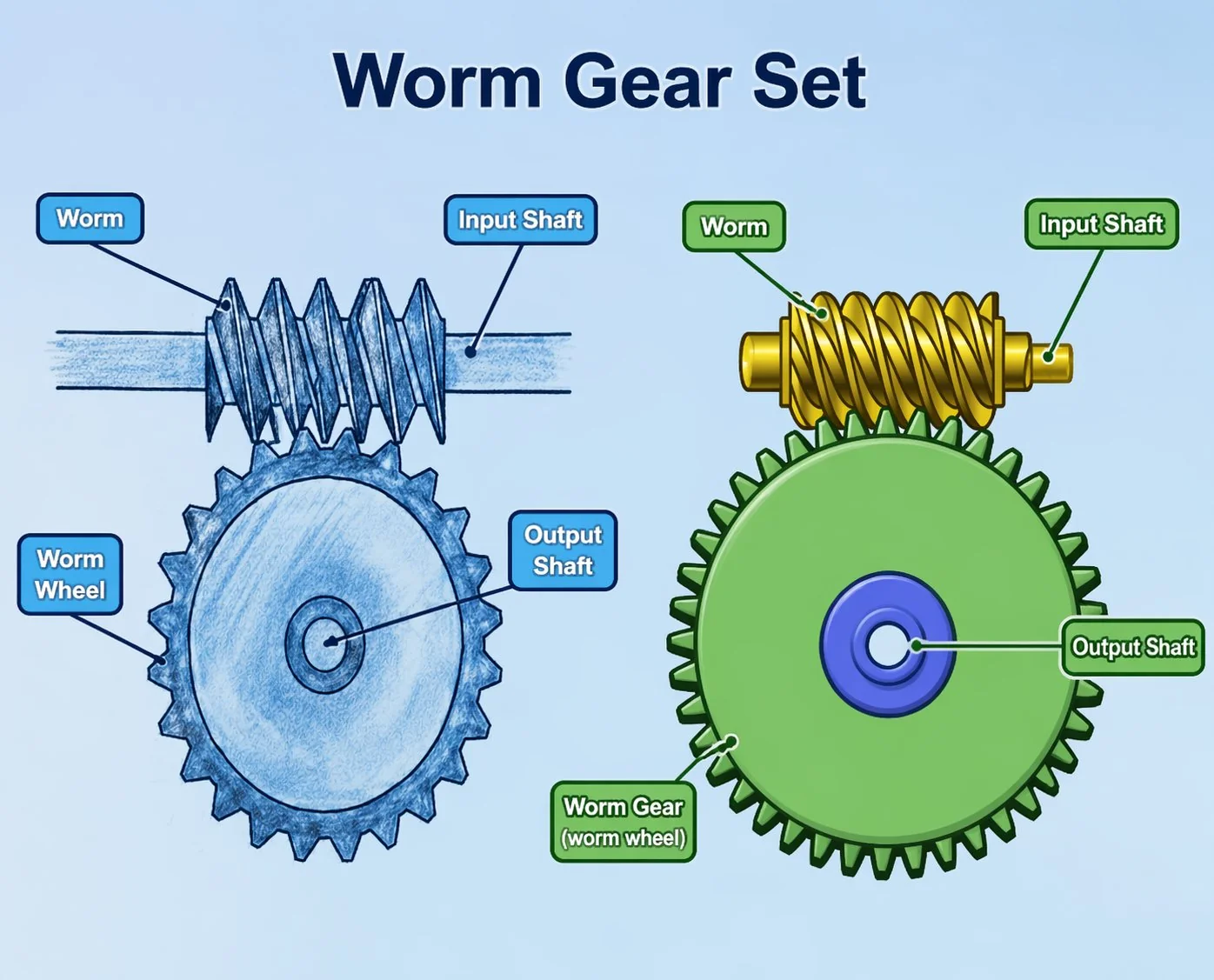
Toneelapparatuur — hijssystemen (voor het ophangen van decor en artiesten), draaiplateaus, orkestliften, gordijnaandrijvingen en decorwagens — maakt gebruik van wormwieloverbrengingen omdat de zelfvergrendelende werking hangende lasten boven artiesten vasthoudt zonder aparte rem (cruciaal voor de veiligheid), de glijdende vertanding het stilste tandwielgeluid produceert van alle transmissietypes (minder dan 32 dB(A) voor theaters van topkwaliteit), en variabele snelheidsprofielen voor artistieke bewegingen een soepele, spelingvrije rotatie vereisen van 0,01 tot 2 omwentelingen per minuut. De SIL-conformiteitsmatrix (Safety Integrity Level) koppelt het type belasting (alleen decor, artiest plus decor, artiest die vliegt) en de hoogte boven het podium aan het vereiste SIL-niveau (1, 2 of 3) en de bijbehorende veiligheidseisen voor de wormwieloverbrenging: veiligheidsfactor, redundantie, verificatieprotocol voor zelfvergrendeling en inspectie-interval. SIL 3 — vereist voor artiesten die boven 3 meter vliegen — vereist dubbele verificatie van de zelfvergrendeling, een redundante lastoverdracht, SF 8 of hoger en een jaarlijkse inspectie door een derde partij van elke wormwieloverbrenging in het hijssysteem.
Waar podiummachines gebruikmaken van wormwielaandrijvingen
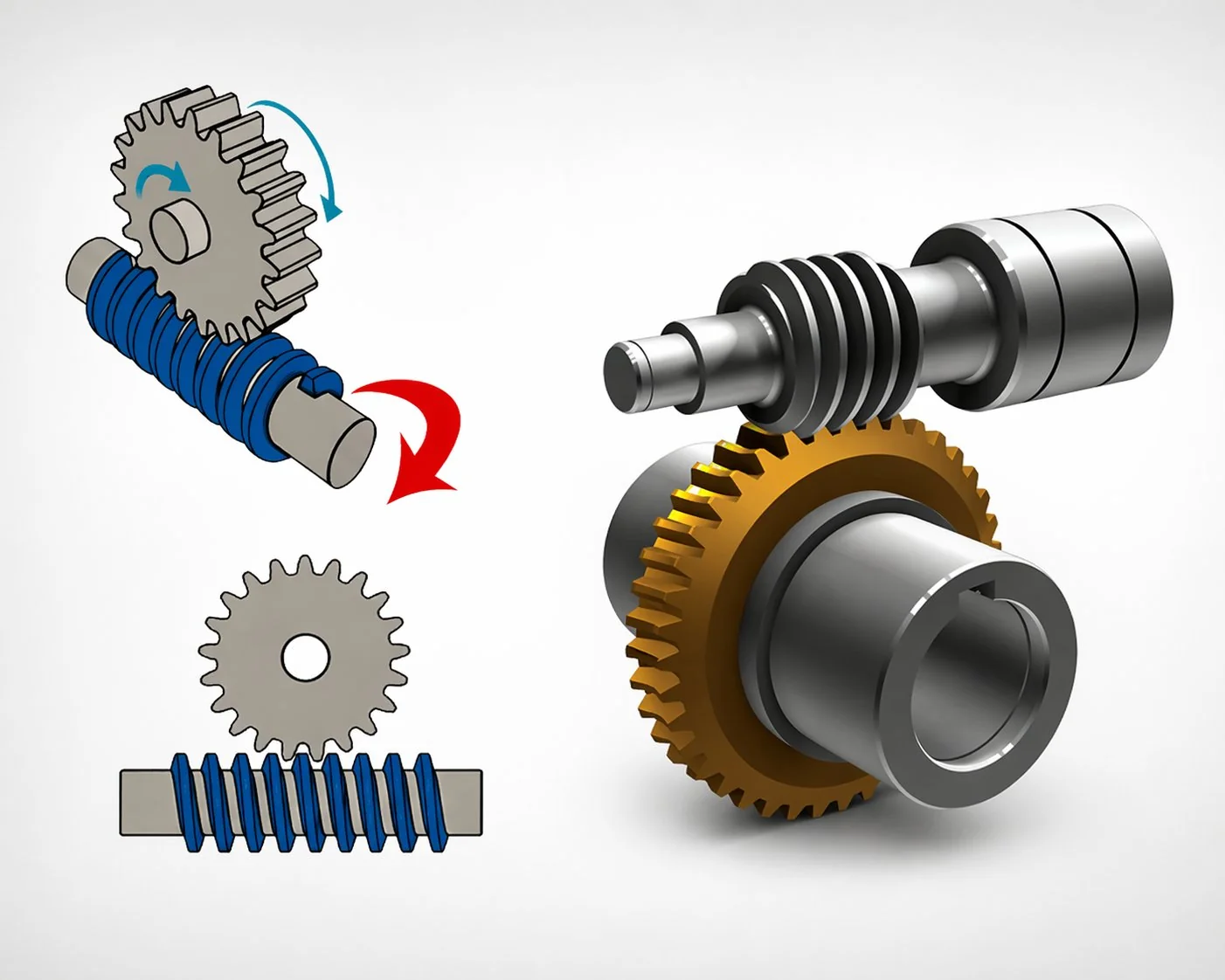
Een modern theater of operahuis bevat 20 tot 80 gemotoriseerde hijsinstallaties (elk met 1 tot 2 wormwielaandrijvingen), 1 tot 4 draaiplateau-aandrijvingen, 2 tot 8 liftaandrijvingen (orkestbak, decorliften) en 10 tot 30 gordijn- en wagenaandrijvingen. Het totale aantal wormwielaandrijvingen per locatie varieert van 40 tot 150 – elk gespecificeerd volgens de meest veeleisende combinatie van veiligheid, stilte en precisie in welke branche dan ook.
Gemotoriseerde hijsstangen heffen en laten decors, verlichting en artiesten zakken. De lasten variëren van 50 kg (enkele lichtbalk) tot 2000 kg (compleet decor). Het ophangen van artiesten stelt de strengste veiligheidseisen: SIL 3 volgens DGUV 17 en ANSI E1.6-1. Zelfvergrendelend houdt de hangende last op elke gewenste hoogte vast, zonder motorvermogen. Snelheid: 0,01 tot 2 m/s verticaal.
Draaiende podia met een diameter van 8 tot 20 meter laten decors en acteurs roteren tijdens scènes. Snelheid: 0,1 tot 2 omwentelingen per minuut. Geluidsniveau lager dan 30 dB(A) op 1 meter afstand – de strengste geluidsnorm in deze hele reeks van 35 artikelen. Acteurs staan en acteren op het roterende oppervlak – elke trilling of schok in de rotatie is voelbaar via hun voeten en verstoort hun optreden.
SIL-conformiteitsmatrix — belastingstype en hoogte voor de veiligheidsspecificatie van het wormwielpaar
Het Safety Integrity Level (SIL)-raamwerk (afgeleid van IEC 61508 en toegepast op entertainmentmachines via DGUV-verordening 17 en ANSI E1.6-1) classificeert de risico's van podiummachines op basis van de gevolgen van een aandrijfstoring. De gevolgen hangen af van wat er hangt (decor of artiesten) en hoe hoog boven het podium (hoger = langere val = ernstiger letsel). Het SIL-niveau bepaalt de veiligheidseisen voor de wormwieloverbrenging – van eenvoudige zelfvergrendelende verificatie (SIL 1) tot dubbel redundante lastpaden met jaarlijkse inspectie door een derde partij (SIL 3).
De veiligheidsfactor (SF) loopt op van SF 4 (alleen decor) naar SF 8 (artiest die aan het werk is) en betekent dat het wormwielpaar een draagvermogen moet hebben dat 8 keer zo groot is als de werkelijke hangende belasting. Een systeem met een artiest die aan het werk is, vereist een paar met een draagvermogen van 800 kg equivalent – een toename van 3 tot 4 framematen ten opzichte van de berekening met alleen de belasting. Deze enorme veiligheidsmarge weerspiegelt de ernst van de gevolgen: een vallend decor veroorzaakt materiële schade; een vallende artiest leidt tot ernstig letsel of de dood. De kosten van het vergroten van het paar met 3 tot 4 framematen (een extra kostenpost van 400 tot 800 USD per aandrijving) zijn verwaarloosbaar in vergelijking met de aansprakelijkheid die gepaard gaat met een storing waarbij de artiest aan het werk is.
Extreem stil — minder dan 32 dB(A) tijdens de uitvoering
De geluidsnorm voor wormwieloverbrengingen in podiummachines is de meest extreme in deze hele reeks van 35 artikelen: strenger dan IC-bedden in ziekenhuizen met 45 dB(A) (Artikel A11), strenger dan luxe liften met 50 dB(A) (Artikel A07) en strenger dan optische polijstmachines met 38 dB(A) (Artikel A24). In een concertzaal kan het geluidsniveau tijdens een pianissimo-passage oplopen tot 25 à 30 dB(A) – en elk machinegeluid boven het omgevingsgeluid wordt door elk publiekslid waargenomen.
Om een geluidsniveau van minder dan 32 dB(A) op 1 meter afstand van een wormwielaandrijving te bereiken, moeten alle geluidsreductietechnieken tegelijkertijd worden toegepast: een geslepen of superfijn afgewerkte worm met een ruwheidsgraad Ra van 0,1 tot 0,2 µm (de fijnste afwerkingsgraad – gelijk aan optisch gepolijste aandrijvingen in artikel A24), een POM- of MC-nylonwiel (materiaaldemping absorbeert tandwieltrillingen), een elastomere ophanging (isoleert behuizingstrillingen van de podiumconstructie) en synthetische olie met een lage viscositeit (vermindert het borrelende geluid in de afgesloten behuizing). Het gecombineerde effect van alle vier de technieken levert een geluidsniveau op van 28 tot 35 dB(A) – binnen het bereik dat door het stilste theaterpubliek wordt gemaskeerd.
Een Koreaans nationaal theater installeerde een nieuw, 15 meter lang draaiplateau voor een productie die gedurende een dramatische scène van 12 minuten continu moest draaien. De wormwieloverbrenging van het draaiplateau had een maximale geluidslimiet van 32 dB(A). Tijdens de technische repetitie meldde de regisseur dat het draaiplateau hoorbaar was tijdens de stilste passages – gemeten op 36 dB(A) op de eerste rij stoelen (6 meter van de rand van het draaiplateau). De wormwieloverbrenging zelf mat 31 dB(A) op 1 meter afstand – binnen de specificaties. De trillingen die via de stalen constructie van het draaiplateau werden doorgegeven, versterkten echter het geluid bij het publiek. Oplossing: het technische team installeerde elastomere isolatiepads tussen de behuizing van de wormwieloverbrenging en het stalen frame van het draaiplateau (kosten: 650 USD aan rubberen bevestigingen en installatiekosten), waardoor de trillingen die via de constructie werden doorgegeven, werden verminderd. Het geluid bij het publiek daalde tot 29 dB(A) – onhoorbaar tijdens de voorstelling. Les: de specificatie voor het geluidsniveau van een wormwieloverbrenging moet rekening houden met de trillingsisolatie van de installatie. Een wormwieloverbrenging die voldoet aan de limiet van 32 dB(A) bij de behuizing, kan deze limiet bij de publiekszitplaatsen overschrijden als de montage trillingen doorgeeft aan de podiumconstructie. Specificeer het geluidsniveau bij het publiek, niet bij de behuizing, en neem elastomere isolatie op in de specificatie voor de aandrijfinstallatie.
Specificatiegevallen voor wormwieloverbrengingen in drietrapsmachines
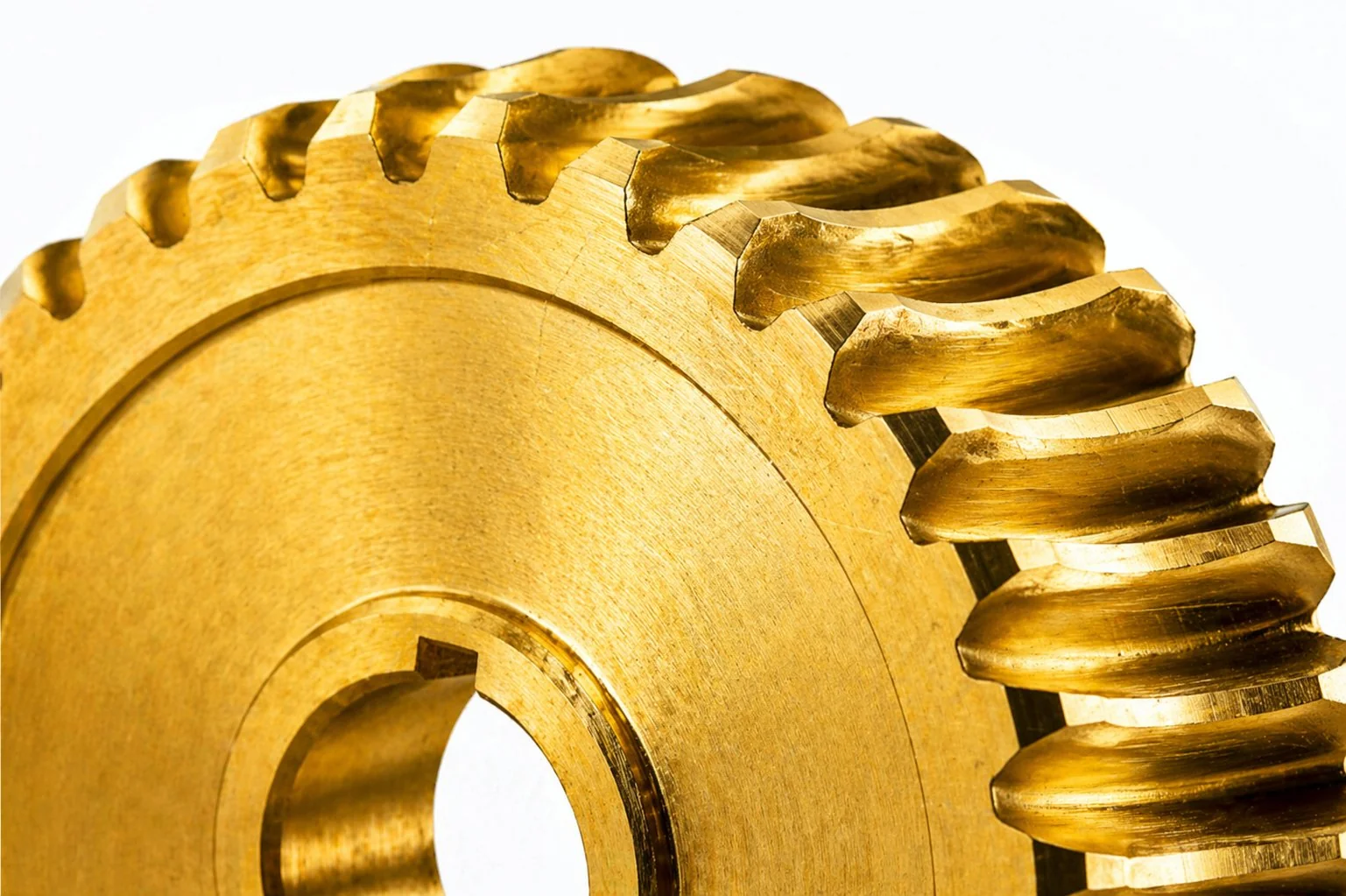
Casus 1 — Koreaans nationaal theater: 48-lijns hijssysteem, SIL 3-artiest die vliegt, 32 dB(A)
Een Koreaans nationaal theater heeft wormwieloverbrengingen gespecificeerd voor een gemotoriseerd hijssysteem met 48 lijnen, inclusief de mogelijkheid voor artiesten om te vliegen. Maximale ophanglast per lijn: 500 kg (decor) of 150 kg (artiest in harnas). SIL-niveau: SIL 3 voor alle 48 lijnen (artiesten kunnen op elke lijn vliegen). SF: 8 (artiesten kunnen op elke hoogte vliegen). Nominaal draagvermogen van de wormwieloverbrenging: 150 × 8 = 1200 kg equivalent per lijn. Specificaties van de combinatie: enkelvoudige start, module 3, hartafstand 80 mm, overbrengingsverhouding 40:1, nominaal uitgangskoppel 1800 N·m. Zelfvergrendeling: dubbele verificatie — primaire zelfvergrendeling bij de wormwieloverbrenging plus onafhankelijke, veerbediende failsafe-rem op de motoras. Geluidsniveau: 31 dB(A) op 1 m (geslepen wormwiel Ra 0,15 µm, POM-wiel, elastomere behuizing). Motor: 7,5 kW servomotor met SIL-3-gecertificeerde veiligheidsencoder. Belastingsbewaking: realtime loadcel op elke hijskabel, noodstop indien de belasting meer dan 120 procent van het geprogrammeerde gewicht bedraagt. Jaarlijkse inspectie: belastingstest door een derde partij bij 125 procent, NDT (magnetisch deeltjesonderzoek van de wormas), spelingmeting. Kosten per wormwielpaar: 920 USD. Totaal voor 48 kabels: 44.160 USD. Bouwbudget theater: circa 85 miljoen USD — de wormwielparen van het hijssysteem vertegenwoordigden 0,05 procent van de bouwkosten, terwijl ze het belangrijkste onderdeel voor de veiligheid van de bemanning vormden.
Casus 2 — Japans Kabuki-theater: 18 m draaiend podium, 0,5 RPM, trillingsgevoelig
Een Japans Kabuki-theater schreef wormwieloverbrengingen voor voor het hoofddraaiplateau (mawari butai) – een draaischijf met een diameter van 18 meter die decors en artiesten tussen de scènes roteert volgens de traditionele Kabuki-techniek. Massa van de draaischijf: circa 25 ton (inclusief podiumoppervlak, decors en maximaal 15 artiesten). Snelheid: 0,3 tot 0,8 omwentelingen per minuut (langzame, dramatische rotatie zichtbaar voor het publiek). De belangrijkste eis was niet het geluid (Kabuki-voorstellingen bevatten percussie en gesproken tekst die het geluid van de machines maskeren), maar trillingen: artiesten in traditionele kostuums met hoge pruiken (onnagata-stijl) zijn extreem gevoelig voor vloertrillingen – zelfs een trilling van 0,02 mm/s die via de podiumvloer wordt doorgegeven, veroorzaakt zichtbare pruikbewegingen die de artistieke illusie verstoren. Wormwieloverbrenging: 2-start (zelfvergrendeling niet nodig – draaischijf ondersteund door druklager, geen risico door zwaartekracht), module 6, hartafstand 160 mm, overbrengingsverhouding 30:1. Geslepen wormwiel Ra 0,15 µm voor minimale trillingsoverdracht. Wiel: centrifugaal gegoten fosforbrons (POM was niet toereikend bij het uitgangskoppel van 4500 N·m). Elastomere koppeling tussen het paar en het tandwiel van de draaitafel. Trilling op het podiumoppervlak: 0,008 mm/s — onder de drempel van 0,02 mm/s. Bladeren Geluidsarme wormwieloverbrenging voor toneelmachines Opties voor draaiplateaus, hijssystemen en orkestliften in theaters.
Casus 3 — Vietnamees congrescentrum: 12 gordijnrails, SIL 1, kostengebalanceerd
Een Vietnamees congrescentrum heeft wormwieloverbrengingen gespecificeerd voor 12 gemotoriseerde gordijnrails (toneelgordijnen, zaalverdelers, projectieschermen). Maximaal gordijngewicht per rail: 80 kg. Geen hangende lasten boven personen – de gordijnen bewegen horizontaal over bovenliggende rails (SIL 1). Geluidsniveau: lager dan 45 dB(A) (het omgevingsgeluid in het congrescentrum is 40 tot 50 dB(A) – minder veeleisend dan in een theater). Wormwieloverbrenging: enkelvoudige start, module 1,5, hartafstand 30 mm, overbrengingsverhouding 30:1, grondvlak Ra 0,4 µm (geluidsniveau acceptabel bij 42 dB(A) met POM-wiel – inslijpen niet nodig bij de streefwaarde van 45 dB(A)). Wiel: POM. SF: 4 (alleen decor, SIL 1). Motor: 0,37 kW AC-tandwielmotor. Kosten per paar: 48 USD. Totaal voor 12 rails: 576 USD. De specificatie laat zien dat niet alle podium- en evenementenapparatuur de SIL 3 / SF 8 / sub-32-dB(A) specificatie van een nationaal theater vereist — het veiligheidsniveau en de geluidsnorm moeten overeenkomen met het werkelijke risico en het type locatie. Het overspecificeren van SIL 3 voor een gordijnrail die nooit lasten boven personen draagt, leidt tot een verspilling van meer dan 800 dollar per aandrijving zonder enig veiligheidsvoordeel.
Veelgestelde vragen
V: Waarom SF 8 voor het vliegen met artiesten in plaats van de SF 1.5 tot 3 die gebruikt worden in industriële kranen?
De veiligheidsfactoren voor industriële kranen (SF 1,5 tot 3 volgens FEM/ISO-normen) gaan uit van professionele kraanmachinisten, gecontroleerde hijsprocedures en veiligheidszones. Bij het ophangen van artiesten in het theater ontbreken deze veiligheidsmaatregelen: de artiest is de last (niet een professionele rigger), het hijsen vindt plaats tijdens een live-voorstelling (geen gecontroleerde hijs) en mensen (andere artiesten, podiummedewerkers) bevinden zich direct onder de hangende last zonder veiligheidszone. De SF 8 compenseert voor de extreme gevolgen (verwonding of overlijden van een artiest voor een publiek) en de onmogelijkheid om het podium tijdens een voorstelling te evacueren. Bovendien ondergaat podiumapparatuur artistieke veranderingen in de belasting (artiesten die springen, zwaaien of op commando worden neergelaten) die dynamische belastingversterkingsfactoren van 2 tot 3 veroorzaken – de statische SF 8 absorbeert al een groot deel van deze dynamische versterking.
V: Wat betekent "dubbele zelfvergrendelende verificatie" voor SIL 3-vliegsystemen?
Dit betekent dat twee onafhankelijke mechanismen elk in staat moeten zijn om de volledige hangende last te dragen als het andere mechanisme uitvalt. Het primaire mechanisme is het zelfvergrendelende wormwielpaar (dat de last vasthoudt door middel van wrijvingskrachten). Het secundaire mechanisme is doorgaans een veerbediende, door de motor ontgrendelde rem op de motoras (die de last vasthoudt door middel van mechanische wrijving op een remschijf). Beide mechanismen werken op dezelfde aandrijflijn, maar volgens verschillende fysische principes: als het zelfvergrendelende wormwielpaar uitvalt (door een onverwachte verandering in de smering die de wrijving vermindert), houdt de rem de last vast. Als de rem uitvalt (door veermoeheid), houdt het zelfvergrendelende mechanisme de last vast. De kans dat beide mechanismen tegelijkertijd uitvallen, is het product van hun individuele faalkansen. Hiermee wordt de SIL 3-doelstelling van minder dan 10⁻⁷ gevaarlijke storingen per uur behaald.
V: Kan een wormwieloverbrenging met twee windingen in elke machinetoepassing worden gebruikt?
Alleen voor horizontaal bewegende machines (draaiplateaus, decorwagens, gordijnrails) waarbij de zwaartekracht de last niet terug kan duwen als de motor stopt. Draaiplateaus draaien in een horizontaal vlak — als de motor stopt, blijft het draaiplateau stilstaan, ongeacht de zelfvergrendeling, omdat er geen zwaartekracht in de draairichting werkt. De specificatie met twee starts zorgt voor een hogere efficiëntie (68 versus 45 procent) en een soepelere rotatie (minder stick-slip-gebeurtenissen bij lage snelheid) — beide waardevol voor de artistieke beweging van draaiplateaus. Voor alle verticaal bewegende machines (hijskabels, liften) of elk systeem dat lasten ophangt (inclusief horizontaal bewegend decor dat aan een bewegende portaalconstructie hangt), is zelfvergrendeling met één start verplicht — zonder uitzonderingen.
V: Hoe vaak moeten de wormwieloverbrengingen van het vliegensysteem in het theater worden geïnspecteerd?
SIL 1 (alleen decor): jaarlijkse visuele inspectie plus spelingmeting door het technisch personeel van de locatie. SIL 2 (decor boven artiesten lager dan 3 m): jaarlijkse belastingstest op 125 procent plus spelingmeting door een gekwalificeerde inspecteur van podiumapparatuur. SIL 3 (artiesten die vliegen of decor hoger dan 3 m boven artiesten): jaarlijkse belastingstest op 125 procent plus NDT (magnetisch deeltjesonderzoek of ultrasoon onderzoek van de wormas en de lasnaden van de behuizing) plus spelingmeting – alles door een geaccrediteerde inspectie-instantie. Daarnaast vereisen SIL 3-systemen een operationele controle vóór elke voorstelling waarbij een artiest wordt opgehangen – de operator laat elke ophanglijn leeg (zonder artiest) lopen om de werking van de motor, de rem en het zelfvergrendelingssysteem te controleren voordat de artiest wordt bevestigd.
V: Wat is de gemiddelde levensduur van een wormwieloverbrenging in een theater?
De vliegsystemen van theaters worden doorgaans 300 tot 500 voorstellingen per jaar gebruikt, plus 200 tot 400 uur repetities – een totaal van 500 tot 1500 draaiuren per jaar. Bij deze relatief lage belasting en matige koppels gaat het bronzen of POM-wiel mechanisch 10 tot 20 jaar mee. Het inspectie- en certificeringsregime leidt echter vaak tot een eerdere vervanging: als de jaarlijkse niet-destructieve test (NDT) een indicatie van een defect in de wormas detecteert (scheur, corrosieputje, spanningsvlek), wordt het complete paar vervangen, ongeacht de resterende mechanische levensduur. Sommige theaters vervangen preventief alle wormwielparen van de vliegsystemen elke 15 jaar als onderdeel van een renovatie van de toneelapparatuur – waarmee de basislijn voor de veiligheidscertificering opnieuw wordt vastgesteld. De stalen worm gaat meer dan 20 jaar mee als deze bij elke jaarlijkse NDT-inspectie geen gebreken vertoont.
Wormwieloverbrengingen in podiummachines voldoen aan de meest extreme eisen op het gebied van veiligheid en geluidsniveau in de industrie: SIL 3 met SF 8 voor vliegende artiesten (de hoogste veiligheidsfactor in deze serie), minder dan 32 dB(A) voor hoogwaardige draaiplateaus in theaters (de strengste geluidsspecificatie in deze serie) en een artistieke, vloeiende beweging die in geen enkele industriële toepassing vereist is. De SIL-conformiteitsmatrix koppelt het type belasting en de hoogte aan het juiste veiligheidsniveau, de veiligheidsfactor, de redundantievereiste en het inspectieprotocol. Dit voorkomt zowel de gevaarlijke onderspecificatie die de veiligheid van artiesten in gevaar brengt als de kostbare overspecificatie waarbij SIL 3 wordt toegepast op toepassingen die slechts SIL 1 vereisen. Voor theaterarchitecten, ontwerpers van podiummachines en technisch directeuren van theaters is de wormwieloverbrenging het mechanische hart van elke vlieglijn, draaiplateau en lift. De specificaties ervan bepalen of de machines veilig genoeg zijn voor artiesten, stil genoeg voor het publiek en soepel genoeg voor de kunst.
Voor fabrikanten van toneelmachines en theatertechnici classificeert onze engineeringdesk het SIL-niveau en adviseert over de veiligheids-, geluids- en precisiespecificaties. Standaardcatalogus ultrastille wormwielsets Bedek stageformaten met een hartafstand van 30 tot 160 mm en SIL 1 tot SIL 3 configuraties. Dien een aanvraag in. Specificaties voor de aandrijving van podiummachines met vermelding van het type belasting, de hoogte, de SIL-vereiste, de geluidsdoelstelling en het type locatie.
Het specificeren van wormwieloverbrengingen voor toneel- of theaterapparatuur?
Geef het type lading (decor, artiest), de hoogte boven het podium, de geluidsdoelstelling, het type locatie en of de artiest moet vliegen door. Wij classificeren het SIL-niveau en adviseren over de veiligheidsfactor, redundantie, geluidsklasse en inspectieprocedure.
Vraag een specificatie aan voor een aandrijving voor podiummachines →
Redacteur: Cxm